







Natural Precious Gemstones: Sapphire, Ruby, Emerald & Alexandrite
At AfricaGems, our collection of natural precious gemstones, at last count more than 3,000 individual stones, focuses on outstanding sapphire gemstones, ruby gemstones, emerald gemstones and alexandrite gemstones individually selected for their color, cut, brilliance and overall appearance.
Buying a loose precious gemstone gives you the freedom to choose the stone you love first and then create a ring, pendant, earrings or other custom jewelry around it. Whether you are searching for an engagement ring centerpiece, anniversary gift, family heirloom or exceptional gemstone for your collection, choosing the individual gemstone allows you to compare color, shape, size and quality before selecting the jewelry setting.
What Are Precious Gemstones?
Traditionally, the term precious gemstones refers to diamond gemstones, ruby gemstones, sapphire gemstones and emerald gemstones. These varieties became especially prized because of their beauty, rarity, durability and long history in fine jewelry.
The distinction between “precious” and “semi-precious” does not necessarily determine the quality or value of an individual gemstone. Some exceptionally rare gemstones outside the traditional precious category can be more valuable than lower-quality precious gemstones.
At AfricaGems, we also include alexandrite gemstones in our precious gemstone collection because exceptional natural alexandrite gemstones combine extraordinary rarity, distinctive color change and significant value.
Sapphire Gemstones – Exceptional Color and Durability
Sapphire gemstones are among the most versatile natural precious gemstones because they occur in an extraordinary range of colors.
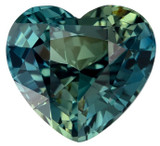
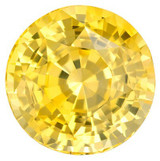
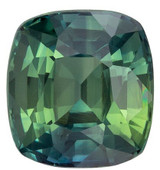
Classic blue sapphire gemstones remain among the most sought-after choices for engagement rings and fine jewelry, but natural sapphire gemstones can also occur in pink, yellow, green, purple, orange, peach, white and beautiful combinations of blue and green.
Collectors and jewelry buyers can also explore rare varieties such as padparadscha sapphire gemstones, prized for their distinctive mixture of pink and orange hues.
Sapphire gemstone is a variety of the mineral corundum and is exceptionally durable, making sapphire gemstones an excellent choice for jewelry intended for frequent wear. A beautiful sapphire gemstone combines attractive color with expert cutting, pleasing proportions and strong brilliance.
AfricaGems offers sapphire gemstones in many shapes and sizes, making it possible to find everything from a classic blue sapphire gemstone engagement-ring center stone to a distinctive fancy-color sapphire gemstone for a completely individual design.
Ruby Gemstones – The King of Gems
Few colored gemstones are as immediately recognizable as a fine ruby gemstone.
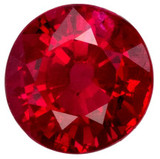
Ruby gemstone is the red variety of corundum, the same mineral family as sapphire gemstone. The finest ruby gemstones are admired for vibrant red color, attractive transparency and the ability of a well-cut stone to return brilliant red light.
Color is particularly important when evaluating a ruby gemstone. Natural ruby gemstones can range from lighter pinkish reds to rich, saturated reds and deeper tones. Personal preference matters, but lively color and an attractive face-up appearance should always be major considerations.
Because ruby gemstones are extremely durable, they are well suited for engagement rings, anniversary rings, pendants and other jewelry designed to last for generations. AfricaGems offers loose ruby gemstones in a range of carat weights, shapes, qualities and price points so you can select the individual gemstone before choosing the jewelry design.
Emerald Gemstones – The Iconic Green Precious Gemstone
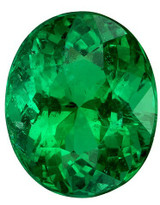
The unmistakable green of a fine emerald gemstone has made emerald one of the world’s most recognized colored gemstones.
Emerald gemstones belong to the beryl mineral family and can display colors ranging from lighter green to rich, saturated green and slightly bluish green. Color is one of the most important characteristics when choosing an emerald gemstone, but transparency, clarity, cut and overall appearance also contribute to the beauty of the stone.
Unlike many other precious gemstones, natural emerald gemstones commonly contain internal characteristics and inclusions. Rather than expecting an emerald gemstone to have diamond-like clarity, buyers should consider how those inclusions affect its transparency, brilliance, durability and overall visual appearance.
A well-selected emerald gemstone can become an extraordinary centerpiece for a ring, pendant or heirloom jewelry design.
When comparing loose emerald gemstones, look at the stone as a whole. Beautiful color, an attractive cut, good face-up size and pleasing transparency can often be more important than any one specification.
Alexandrite Gemstones – Rare Natural Color Change
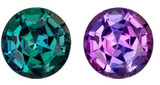
Natural alexandrite gemstones are among the most fascinating colored gemstones because of their ability to change appearance under different types of light.
Fine alexandrite gemstones may display greener or bluish-green colors in daylight and warmer reddish, purplish or raspberry tones under incandescent-style lighting. The strength and attractiveness of this color change can have an important influence on desirability and value.
Natural alexandrite gemstone is exceptionally rare, particularly in larger sizes with attractive color, strong color change and good clarity. This combination makes fine alexandrite gemstones especially appealing to collectors and buyers searching for an unusual heirloom-quality gemstone.
Because every natural alexandrite gemstone is different, carefully review its color, color change, clarity, cut, dimensions and documentation when comparing stones.
How to Choose a Natural Precious Gemstone
The familiar “Four Cs” provide a useful starting point, but evaluating colored gemstones requires looking beyond a simple grading formula.
Color
For most colored gemstones, color is one of the most important characteristics. Consider the gemstone’s hue, tone and saturation as well as how lively and attractive the color appears to your eye. There is no substitute for choosing a gemstone whose color you genuinely love.
Cut and Brilliance
A skillfully cut gemstone can display better brilliance, symmetry and face-up beauty.
Unlike cutting diamonds to standardized proportions, cutting natural colored gemstones often requires balancing color, brilliance, clarity and preservation of valuable gemstone material. The best choice is a gemstone that looks balanced, lively and attractive when viewed face-up.
Clarity
Clarity expectations vary considerably between gemstone varieties.
A level of clarity that would be considered unusual in an emerald gemstone may be expected in a sapphire gemstone or alexandrite gemstone. Rather than comparing every gemstone by the same clarity standard, consider whether inclusions are distracting and whether they affect the beauty or durability of the individual stone.
Carat Weight and Gemstone Dimensions
Carat describes weight, not physical size.
Two precious gemstones with the same carat weight can appear very different in size depending on their shape, depth and proportions. Always consider millimeter measurements along with carat weight, particularly when buying a gemstone for an existing jewelry setting.
Treatments
Many natural colored gemstones are treated using accepted techniques to improve their appearance. Other gemstones are available without treatment and can command significant premiums because of their rarity.
Treatment status is an important part of comparing precious gemstones, which is why AfricaGems provides treatment information for the gemstones we sell.
Gemological Reports
Important or particularly valuable gemstones may be accompanied by independent laboratory documentation from respected gemological laboratories.
A laboratory report can provide additional information about gemstone identification, detectable treatments and, when determinable and requested, geographic origin.
AfricaGems also provides gemstone grading and identification information so customers can better understand the gemstone they are considering.
Choosing a Precious Gemstone for an Engagement Ring
Natural colored gemstones are increasingly chosen as distinctive center stones for engagement rings.
Sapphire gemstones and ruby gemstones are particularly well suited to everyday jewelry because of their excellent durability. Alexandrite gemstones offer rarity and dramatic color change for someone looking for a highly unusual engagement gemstone.
An emerald gemstone can create an extraordinary engagement ring as well, although emerald gemstones generally require somewhat more thoughtful wear and care because of their natural characteristics. When choosing a gemstone for an engagement ring, consider both beauty and lifestyle. The right gemstone should have the appearance you love while also being appropriate for how frequently the ring will be worn.
Choose the Gemstone First, Then Create the Jewelry
One of the biggest advantages of purchasing a loose precious gemstone is the freedom to build the jewelry around the stone rather than accepting a gemstone already chosen by someone else.
Select your preferred:
· Gemstone variety
· Color
· Shape
· Carat weight
· Millimeter size
· Quality
· Price range
Then choose a ring, pendant or earring mounting designed to complement your gemstone.
AfricaGems offers thousands of jewelry mounting options, allowing you to pair an individually selected natural gemstone with a setting that fits your style and budget.
Why Buy Precious Gemstones from AfricaGems?
AfricaGems has specialized in colored gemstones since 1984. Our experience allows us to evaluate gemstones based not simply on a grading description, but on the characteristics that make an individual stone beautiful.
We focus on color, cutting, proportions, symmetry, brilliance, clarity and overall appearance when selecting gemstones for our collection.
When you shop AfricaGems, you benefit from:
· More than 40 years of colored gemstone experience
· Thousands of natural precious gemstones to compare
· Individual gemstone photographs and specifications
· Disclosure of known gemstone treatments
· Independent laboratory reports on many important gemstones
· A 30-day inspection period
· Free return shipping on eligible U.S. purchases
· A full refund on eligible returned merchandise
· Expert assistance selecting gemstones and jewelry settings
You can use this widget to input text into the page.
AfricaGems is the Leader in Heirloom Precious Gemstones - Ruby | Alexandrite | Emerald | Sapphires
While the classifications of precious and semi-precious gemstones have been around since ancient times, ancient definitions were often based on the visual beauty or talismanic properties of the gem. The modern definitions of precious and semi-precious gems date back to the mid-1800s. One of the catalysts was the discoveries of big amethyst deposits, which suddenly made amethyst - valued as a precious stone for centuries - not as rare and coveted. So amethyst dropped off the list, and the precious gemstones were defined as diamond, ruby, sapphire and emerald. All other gemstones, no matter how beautiful, were relegated to "semi-precious."
In the late 1800s, large diamond deposits were discovered, and like amethyst, diamond should have been bumped off the "precious gemstones" list. However, the De Beers diamond conglomerate manipulated both diamond supply (by feeding diamonds slowly into the market) and diamond demand (with their decades-long Diamonds are Forever campaign). Diamonds retained both a perceived rarity and an immense value, and kept their spot on the "precious gems" list.
But the familiar distinctions "precious gems" and "semi-precious gems" are not a good indicator of value, or even rarity. Jadeite, painite and musgravite can be worth just as much per carat as - if not more than - emerald, rubies and sapphires.
For that reason, most gem and jewelry associations discourage the use of "semi-precious" when describing gemstones.
We've kept the terms on the site, because most gem buyers are familiar with those terms. But we have put alexandrite in the "precious gems" section, because the value certainly matches that of the other "precious" gems.
More Information on Precious Gemstones
Precious gemstones have been prized for their beauty, rarity, and value for centuries. They have been used for a variety of purposes, including in jewelry, as talismans and amulets, and as a means of exchange. Gemstones have been used in jewelry for thousands of years. The ancient Egyptians were among the first to use gemstones in jewelry, and they used a variety of gemstones, including lapis lazuli, turquoise, and carnelian. The ancient Greeks and Romans also used gemstones in their jewelry, and the Romans were known for their love of gemstones, particularly diamonds. Gemstones have also been used for religious and spiritual purposes throughout history. In many cultures, gemstones were believed to have special powers and were used as talismans or amulets to protect against evil or bring good fortune. In some cultures, gemstones were also believed to have healing properties and were used in traditional medicine. Gemstones have also been used as a means of exchange and as a symbol of wealth and status. In some cultures, gemstones were used as a form of currency, and they were often given as gifts to show wealth or status.
Today, gemstones are still widely prized for their beauty and value, and they continue to be used in a variety of applications, including in jewelry, as collectors' items, and as a means of investment. Some gemstones are called precious gemstones because they are rare and highly valued for their beauty, durability, and rarity. Precious gemstones include diamonds, rubies, sapphires, and emeralds. Rubies are also considered a precious gemstone because of their beautiful red color and their durability. They are the second hardest gemstone after diamonds and are often used in fine jewelry. Sapphires are a type of corundum, and they are available in a variety of colors, including blue, pink, yellow, and white. Blue sapphires are the most well-known and are considered a precious gemstone due to their beauty and durability.