
Why Unheated Rubies Are So Expensive: A Value Guide
Jun 26th 2026
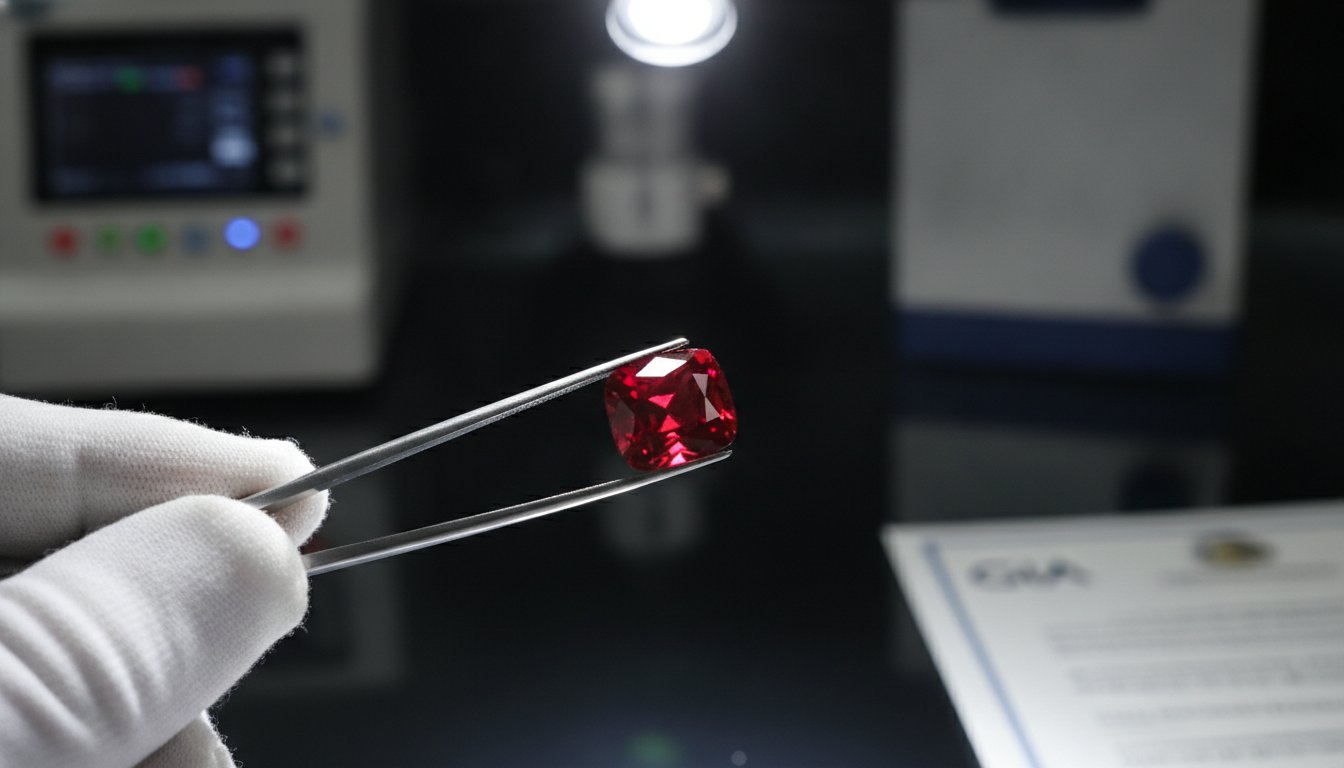
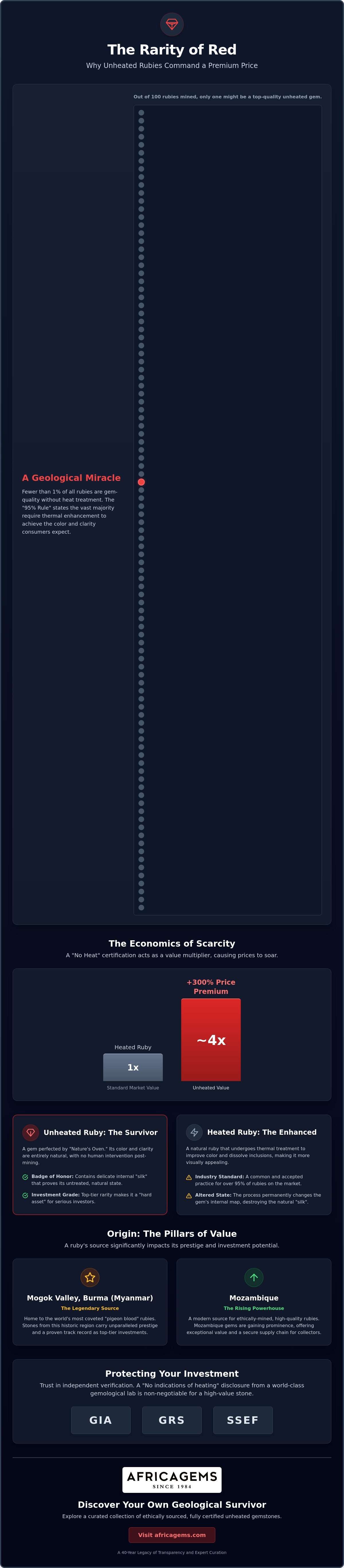
Did you know that less than 1% of all rubies discovered are of high enough quality to remain in their natural, unheated state? For many collectors, the first encounter with a world-class gemstone leads to a single, pressing question: why are unheated rubies so expensive compared to stones that look almost identical? It's a valid concern, especially when you're exploring the complexities of high-value investments where the difference between a treated stone and a natural miracle can mean a 300% price premium.
We understand the hesitation that comes with reading technical lab reports or deciphering marketing terminology. You deserve to feel like an informed insider rather than a confused spectator. In this value guide, you'll discover the rare geological conditions that produce "pigeon blood" saturation without human intervention. We'll also show you how to interpret the 2026 GIA report updates and identify which specific origins, from the legendary Mogok Valley to the rising mines of Mozambique, offer the best long-term security for your collection. By the end, you'll recognize that an unheated ruby isn't just a purchase; it's a finite, geological survivor that holds its value through radical transparency and natural integrity.
Key Takeaways
- Understand the geological "95% rule" and why stones that achieve vivid saturation without thermal enhancement are considered the rarest survivors in the mineral kingdom.
- Uncover the specific market drivers behind why are unheated rubies so expensive, focusing on how a "No Heat" certification creates a tiered pricing structure for global assets.
- Compare the prestige and investment potential of legendary Burmese rubies against the rising dominance of ethically sourced Mozambique deposits.
- Master the technical terminology in GIA, GRS, and SSEF reports to confidently verify a gemstone's lack of enhancement before committing to a high-value transaction.
- Discover how a 40-year legacy of transparent curation and ethical sourcing transforms a digital purchase into a secure, personal consultation for the serious collector.
The Geological Miracle: What Defines an Unheated Ruby?
To the untrained eye, a ruby is simply a vibrant red gemstone. However, to a connoisseur, the distinction between a stone that has been thermally enhanced and one that remains in its natural state is profound. An unheated ruby is defined as a gem that has undergone no thermal enhancement from the moment it was mined to the final polish. This lack of intervention is the primary reason why are unheated rubies so expensive; they are the geological "survivors" that reached aesthetic perfection without human assistance.
The industry follows what we call the 95% Rule. Approximately 95% of all rubies found in the earth require heat treatment to reach a color or clarity level that consumers find acceptable. When a stone is pulled from the ground with "pigeon blood" saturation and high transparency, it's a statistical anomaly. It is this extreme scarcity that dictates the market's tiered pricing structure. If you are looking for a stone that represents the absolute pinnacle of natural rarity, an unheated specimen is the only choice.
To better understand this concept, watch this helpful video:
Understanding Ruby's geological origins helps explain the "Nature's Oven" concept. Rubies form under intense pressure and heat deep within the earth's crust. Most stones don't spend enough time in these conditions to fully dissolve internal impurities or develop a vivid red hue. A few lucky gems, however, are subjected to the perfect balance of temperature and chemical environment. These stones are "cooked" by the earth itself, emerging with a glow that treated stones can only attempt to mimic.
We often see confusion regarding industry terminology. A "natural" ruby is simply a stone that was mined from the earth rather than grown in a lab. However, a natural ruby can still be heat-treated, lead-glass filled, or beryllium diffused. "Unheated" is a much stricter classification. It's the gold standard for collectors who want a gem that has not been altered by post-mining technology.
The Difference Between Heat-Treated and Unheated Rubies
Heat treatment is designed to dissolve microscopic rutile needles, often called "silk," which can make a stone look sleepy or cloudy. While heat improves clarity, it also destroys the unique internal map of the gem. For an unheated stone, these delicate needles are a badge of honor; they prove the stone never reached the high temperatures required for enhancement. An unheated ruby is characterized by the total absence of post-mining thermal intervention.
Why 2026 Collectors Prioritize 'No Heat' Stones
The modern market has shifted toward a standard of radical transparency. Today's investors view unheated rubies as "hard assets" rather than just jewelry. There's a deep psychological value in owning a piece of the earth's history that remains exactly as nature intended. For those who want to explore the nuances of treatment disclosures, the AfricaGems blog provides extensive resources on how we maintain the integrity of our inventory. This commitment to full disclosure ensures that every buyer feels like an informed insider in a complex market.
The Economics of Red: Why Prices Triple for Unheated Stones
The transition from a geological miracle to a market powerhouse happens the moment a lab report confirms a stone is unheated. This single line of text acts as a scarcity multiplier, often causing the price to jump 150% to 300% over comparable heated stones. When you ask why are unheated rubies so expensive, you're really looking at a collision between extreme geological rarity and a global market that values "purity" above all else. In 2026, the global ruby market reached an estimated value of $5.003 billion, driven largely by investors seeking hard assets that aren't subject to the same volatility as traditional stocks.
Global auctions have solidified this premium through record-breaking benchmarks. In April 2025, a 10.33-carat unheated Burmese ruby sold for approximately $1.22 million per carat at Sotheby's Hong Kong. While heated stones still hold significant value, they rarely reach these astronomical heights because they aren't considered finite in the same way. Technology can always improve a low-grade stone through heat, but it can never create a natural, unheated wonder from scratch.
Collectors must also understand the "Carat Weight Trap." In the world of unheated gems, size doesn't just add value; it multiplies it. A single 3-carat unheated ruby is significantly rarer than three 1-carat stones combined. This is because the probability of nature producing a large, clean, and vividly colored crystal without inclusions that require thermal "healing" is infinitesimally small. These stones offer superior investment liquidity, as they're the first items sought by high-end dealers during market shifts.
The Exponential Price Curve
The gap between heated and unheated stones widens as the stone gets larger. While a 1-carat unheated ruby might command double the price of its heated counterpart, the premium for a 5-carat stone can be five times higher. We often refer to 5 carats as "The Wall." Once an unheated ruby crosses this weight threshold while maintaining fine color, it enters the realm of museum-quality treasures. Price for unheated rubies is driven by a finite global supply that cannot be "manufactured" by technology. This pricing curve is the ultimate answer to why are unheated rubies so expensive for the elite collector.
Rubies vs. Diamonds: The Rarity Comparison
It's a common misconception that diamonds are the rarest gems. In reality, a top-tier unheated ruby is far rarer than a D-Flawless diamond. While diamond production is carefully managed to maintain market stability, the supply of unheated red corundum is dictated entirely by what miners can physically extract from the earth. This extreme rarity has led alternative investment funds to shift capital toward colored gemstones as a hedge against inflation. If you're looking to start your own collection of these rare treasures, exploring our curated selection of Loose Mozambique Rubies is an excellent first step. Understanding ruby quality factors is essential for any serious collector looking to navigate this high-stakes market with confidence.
Origin and Color: The Pillars of Unheated Value
While geological rarity sets the foundation, the specific geographic origin and the nuance of color act as the final arbiters of price. For the serious collector, these factors explain why are unheated rubies so expensive in a competitive market. Provenance isn't just a label; it's a historical and chemical signature that dictates how the light interacts with the crystal. In 2026, the market is defined by a fascinating tension between the legendary heritage of Burma and the modern excellence of Mozambique.
Color remains the most significant value driver. The "Pigeon Blood" standard represents a vivid, highly saturated red with a slight purplish tint and strong natural fluorescence. This fluorescence makes the stone appear to glow from within, even in low light. Any deviation from this ideal hue, such as strong orange or brownish secondary tones, can significantly reduce the unheated premium. Collectors also face a "Clarity Paradox." While we generally seek clean stones, certain microscopic inclusions like rutile silk are highly prized. These internal features serve as undeniable proof that the stone hasn't been subjected to heat, effectively increasing its market value by validating its natural state.
The Rise of Mozambique Rubies
The discovery of the Montepuez mines in Mozambique has revolutionized the availability of high-clarity unheated rubies. Unlike many traditional deposits, Mozambique often produces crystals with exceptional transparency that don't require thermal intervention. For 2026 collectors, these stones represent a "Smart Buy" because they offer the same visual impact as Burmese stones but at a more accessible price point, typically ranging from $4,000 to $20,000 per carat for fine quality. Marc Sarosi has spent decades building the relationships necessary to source the finest Loose Mozambique Rubies, ensuring that each gem meets our strict standards for ethical sourcing and natural beauty.
The Burma Premium: History and Scarcity
Despite the rise of African deposits, the Mogok Valley in Myanmar remains the most prestigious origin in the world. The "Burma" name carries a mystical weight that continues to drive the astronomical prices we see at auction. However, finding certified "Old Mine" Burma stones is increasingly difficult due to political instability and ongoing sanctions. This supply squeeze has pushed prices for unheated Burmese "Pigeon Blood" rubies in the 2-4 carat range to anywhere between $80,000 and $250,000 per carat. For a deeper look at these legendary gems, read our sibling article, Loose Burma Rubies: The Connoisseur’s Guide. Understanding these origin-based price gaps is essential for determining why are unheated rubies so expensive and where the best value lies for your specific investment goals.
Verification and Certification: Protecting Your Investment
When you're ready to acquire a high-value gemstone, the paperwork is just as critical as the stone itself. This rigorous verification process is a primary driver behind why are unheated rubies so expensive, as it provides the technical validation required for investment-grade assets. Without a report from a top-tier laboratory, a ruby's "unheated" status is merely an unverified claim. In a market where technology can mimic natural beauty, third-party proof is the only bridge between a speculative purchase and a secure investment.
The international trade recognizes the "Big Three" labs: the GIA (Gemological Institute of America), GRS (GemResearch Swisslab), and SSEF (Swiss Gemmological Institute). These institutions possess the advanced spectroscopic equipment necessary to detect even the most sophisticated thermal enhancements. A report from one of these labs acts as a title deed, confirming that the stone's color is a natural miracle. Additionally, origin "opinions" on these reports can add a 20% to 30% premium to the price, as they link the stone to historically significant locales like Burma or Mozambique. This is where the distinction between jewelry-grade and investor-grade becomes clear; the latter always carries the most prestigious credentials.
Reading a Gemological Report Like a Pro
Understanding the "Treatment" section is vital for distinguishing between unheated treasures and their enhanced counterparts. You'll often see codes like "H(a)" or "H(b)," which indicate that the stone has been heated and contains varying levels of residue in its fissures. For a true unheated stone, you must look for the "N" code or the explicit phrase "No indication of heating." The "Comment" section is also a critical area where labs disclose minor treatments like lead-glass filling or flux residues, which can drastically lower a stone's value. At AfricaGems, we provide full disclosure and original lab reports for all our precious gemstones to ensure you have complete confidence in your purchase.
The Danger of 'In-House' Certifications
Never rely on a certificate issued by the seller or an unknown local laboratory. These "in-house" certifications lack the independence and global accountability required for high-value transactions. A ruby's value is only as strong as the lab report backing it. Our philosophy is built on radical transparency, which is why we only offer stones that have been vetted by the world's most respected gemologists. This commitment to integrity mirrors our founder Marc Sarosi's 40-year legacy in the trade. If you're looking for a stone that combines natural beauty with ironclad verification, browse our collection of certified unheated rubies today to find a gem that truly stands the test of time.
The AfricaGems Philosophy: Ethical Sourcing and Expert Curation
Marc Sarosi’s 40-year journey in the gemstone trade isn't just about business; it's about a lifelong respect for the earth's most rare creations. This legacy is built on an uncompromising commitment to "No Heat" treasures, which represent the pinnacle of natural integrity. When you consider why are unheated rubies so expensive, it's vital to recognize the role of the dealer in ensuring that rarity is matched by ethical provenance. We prioritize "Clean Rubies" with verifiable mine-to-market traceability, catering to a new generation of collectors who value social responsibility as much as geological beauty.
Selecting a specialist dealer offers an experience that "Big Box" luxury retailers simply can't replicate. While a large chain might offer a standardized product, we provide a deep dive into the individual character of each stone. Our transparent supply chains and direct relationships with mines allow us to offer gems that haven't been passed through multiple middlemen, ensuring that the value remains in the stone itself. Beyond sourcing, our custom jewelry design services allow you to transform a loose unheated ruby into a legacy heirloom, crafted specifically to highlight its unique natural fluorescence.
The Expert Enthusiast Advantage
Choosing an unheated ruby is a significant decision that benefits from personalized consultation. You aren't just buying a stone; you're gaining access to a curated inventory of the world's most sought-after materials. We specialize in identifying gems that meet the strict criteria of the "Big Three" labs while offering the security of a 30-day money-back guarantee. This ensures that your investment is protected as you verify the stone's quality in person. For those looking to expand their knowledge, our guide on rare gemstones provides a deeper look into the factors that define scarcity in today's market.
Your Next Steps in Ruby Collecting
Starting a collection doesn't require a million-dollar auction bid. Many collectors begin their journey with a 1-carat unheated Mozambique stone, which offers exceptional color and clarity at a more accessible entry point. This allows you to appreciate the miracle of unheated color while building a portfolio of hard assets. Once you've selected your perfect gem, you can explore our selection of gemstone rings or work with our team on a custom mounting that reflects your personal style.
Natural beauty of this magnitude is finite and increasingly competitive. Understanding why are unheated rubies so expensive is the first step toward making a confident, informed purchase. Whether you're a seasoned investor or a first-time buyer, we're here to act as your knowledgeable mentor. Explore our collection of Loose Mozambique Rubies at AfricaGems and discover the unparalleled beauty of a stone that remains exactly as nature intended.
Securing Your Legacy with Nature's Purest Red
Choosing an unheated ruby is an investment in a geological event that happens once in a billion years. You now understand that why are unheated rubies so expensive is a question answered by a combination of extreme scarcity, the exponential value of carat weight, and the ironclad security of a top-tier lab report. These stones aren't just commodities; they're survivors of the earth's natural furnace that achieved perfection without human interference. They represent a finite asset that technology simply cannot replicate.
Since 1984, Marc Sarosi has curated these rare treasures with a commitment to radical transparency and ethical sourcing. Our A+ BBB rating and full disclosure on all gemstone treatments ensure that you're making a decision backed by four decades of industry expertise. You don't have to struggle with market uncertainty when you have a mentor dedicated to your security and the integrity of your collection. Every stone we offer is a testament to our uncompromising standards.
Take the next step in building a collection that holds its value through market shifts and across generations. Secure Your Investment: Shop Certified Unheated Rubies at AfricaGems. We're honored to help you find a natural masterpiece that reflects your refined taste and your vision for a lasting legacy.
Frequently Asked Questions
Is an unheated ruby more durable than a heated one?
Both heated and unheated rubies share a Mohs hardness of 9, making them exceptionally durable for daily wear. However, unheated stones haven't been subjected to the thermal stress of high-temperature furnaces, which can sometimes expand internal inclusions and create micro-fractures. In this sense, an unheated stone is often considered more geologically stable because it survived the earth's natural processes without artificial intervention.
Can I tell if a ruby is unheated just by looking at it?
It is nearly impossible for the naked eye to distinguish between unheated and heated stones. Professional gemologists use high-powered magnification to look for "silk," which are microscopic rutile needles that remain intact in unheated stones but dissolve during heat treatment. Because the visual differences are so subtle, a report from an independent laboratory is the only reliable way to confirm a stone's status.
How much more should I expect to pay for a 'No Heat' certificate?
You aren't paying for the certificate itself, but for the extreme rarity it verifies. Certified unheated rubies typically command a 150% to 300% price premium over heat-treated stones of comparable quality. This massive value gap is the primary reason why are unheated rubies so expensive, as the "No Heat" designation transforms the gem from a beautiful piece of jewelry into a finite, investment-grade asset.
Are unheated rubies a better investment than diamonds?
Many collectors view unheated rubies as superior investments because they are statistically rarer than D-Flawless diamonds. While the diamond market is carefully managed to control supply, the availability of top-tier unheated red corundum is dictated entirely by what miners can physically extract from the earth. This natural scarcity often leads to better value retention and higher appreciation during periods of market volatility.
What is the best origin for an unheated ruby today?
Burma remains the most prestigious origin for investors, but Mozambique is the leading source for modern collectors. While Burmese rubies from the Mogok Valley command the highest historical premiums, Mozambique produces unheated stones with exceptional clarity and "Pigeon Blood" saturation. Many experts consider Mozambique rubies the "smart buy" of 2026 because they offer world-class aesthetics at a more accessible price point than Burmese stones.
Does 'unheated' mean the ruby is 100% natural?
Yes, in the context of professional gemology, unheated means the stone has undergone no thermal enhancement since it was mined. It's important to remember that a stone can be "natural" but still be lead-glass filled or beryllium diffused. A true unheated ruby is a natural miracle that has received no post-mining intervention beyond traditional cutting and polishing to reveal its inherent beauty.
What happens to the price if a lab report says 'indications of minor heat'?
The price will drop significantly, as the stone loses its elite status as a natural survivor. Even "minor" heat removes the 150% to 300% premium associated with unheated gems. For a serious collector, any indication of thermal intervention reclassifies the gem as a treated stone. This distinction is vital for anyone asking why are unheated rubies so expensive, as even a slight treatment changes the stone's market category.
Why are some unheated rubies still relatively affordable?
Affordability in the unheated market usually indicates a compromise in color, clarity, or carat weight. An unheated ruby that is overly dark, heavily included, or smaller than one carat won't command the astronomical premiums seen at global auctions. The highest prices are reserved for the rare intersection where "No Heat" status meets "Pigeon Blood" color and exceptional transparency in a significant size.

Article by
Marc Sarosi
Professional gemstone dealer for more than 40 years. Started off mining Aquamarine in Zambia, Africa and travelled throughout the continent in search of fine gems. Trusted authority on fine gemstones and have donated a fine collection of more than 27 extraordinary gemstones to the Smithsonian Institute Gem Hall for generations to see.