
The Connoisseur’s Guide to Buying Investment-Grade Gemstones in 2026
Jun 5th 2026
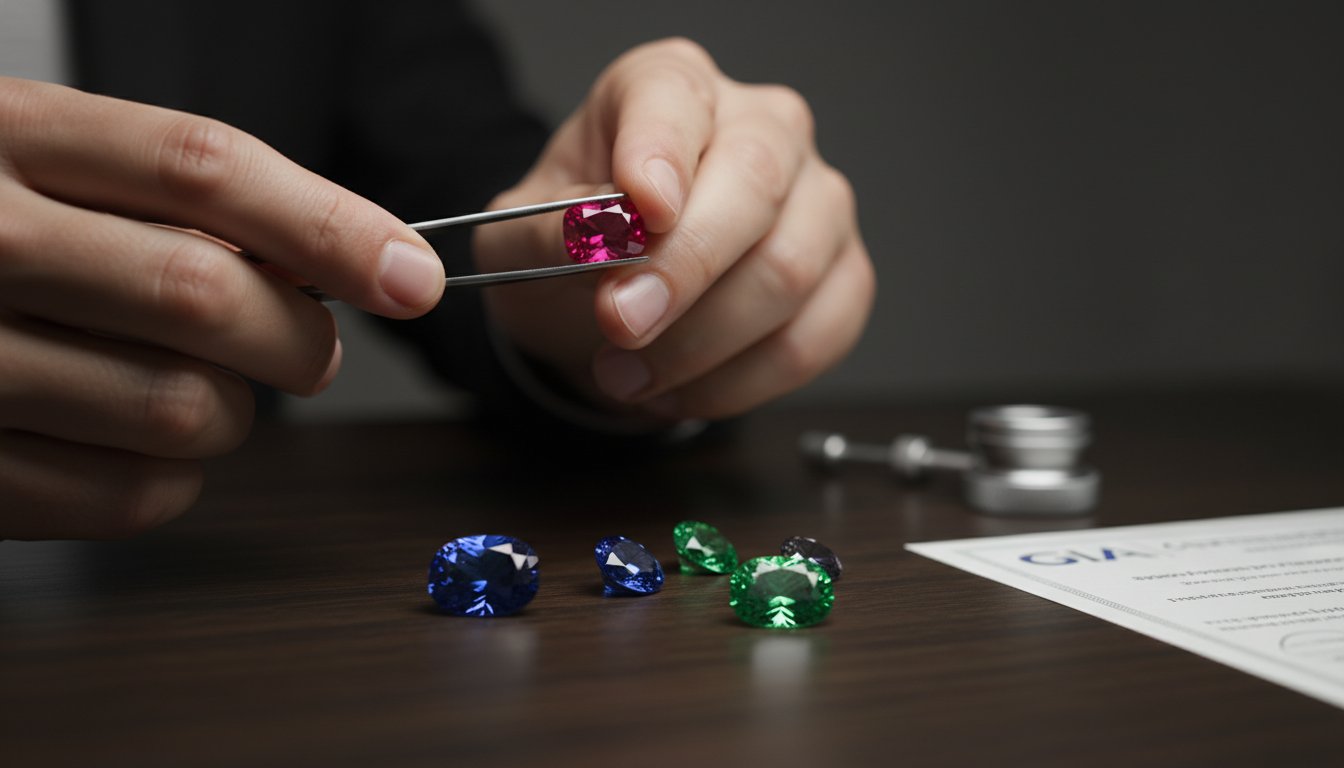
An unheated Burmese ruby can command three times the market price of a heated counterpart, yet distinguishing between the two requires more than just a keen eye. You understand that the allure of a rare material is its natural integrity, but the anxiety of overpaying for a stone with undisclosed treatments often clouds the joy of collecting. This definitive guide to buying investment-grade gemstones removes that uncertainty by providing a technical framework for evaluating rarity and market liquidity. With the demand for natural assets projected to rise by 15% in 2026, the margin for error has never been smaller.
We'll master the new GIA reporting standards effective January 1, 2026, which now include country-of-origin determination for opal and peridot alongside the traditional "Big Three." You'll learn to identify high-growth "smart buys" like Tsavorite Garnets and Mahenge Spinel while navigating the nuances of "No Oil" designations. This journey transforms you from a cautious buyer into an informed insider, equipped with a clear checklist to secure gems that serve as both a legacy and a sophisticated store of value.
Key Takeaways
- Learn to identify the top 0.1% of natural stones that possess true resale liquidity, moving beyond retail-grade marketing to find genuine asset-class quality.
- Master the "Four Pillars" of appreciation by evaluating vivid primary hues and species-specific clarity standards, such as the acceptable "garden" in emeralds versus eye-clean sapphires.
- Utilize this guide to buying investment-grade gemstones to distinguish between "Blue Chip" staples like Blue Sapphires and high-volatility growth assets.
- Establish a rigorous verification protocol using tier-1 lab reports from GIA, GRS, or Gubelin to confirm provenance and the absence of value-diminishing treatments.
- Discover why prioritizing loose gemstones over finished jewelry is the most transparent and effective strategy for building a long-term collection.
Defining "Investment-Grade": Moving Beyond Marketing Fluff
While some critics claim the term "investment-grade" is mere marketing fluff, the reality is defined by a rigorous technical threshold. In the high-end market, an investment-grade stone represents the top 0.1% of all natural gems unearthed. The primary differentiator isn't just beauty, it's resale liquidity. While jewelry-grade stones are purchased for personal adornment and often lose value at the point of sale, investment-grade assets are acquired to preserve and grow capital. To understand the fundamentals of these materials, one must first ask What is a gemstone? and how its physical properties dictate its rarity. Historical auction data from houses like Sotheby’s and Christie’s validates this distinction. These records show that unheated, top-tier specimens consistently outperform the broader market, often doubling in value over a decade. This performance isn't accidental; it's the result of a stone meeting strict criteria for color, origin, and lack of treatment.
To better understand the nuances of selecting high-quality specimens, watch this helpful video:
The Scarcity Principle in Gemology
The value of a rare gem doesn't grow linearly; it follows a logarithmic curve. This means the price per carat jumps exponentially as the stone’s size increases. For example, a single 5-carat sapphire is worth significantly more than five 1-carat stones of identical quality. This is due to the extreme rarity of large, clean crystals in nature. When specific mines close, such as the Argyle diamond mine or the legendary Kashmir sapphire deposits, the existing supply becomes a finite asset class. This scarcity drives competitive bidding among collectors who recognize that these specific origins may never be produced again. Finding these rarities requires a disciplined approach and a reliable guide to buying investment-grade gemstones that emphasizes geological scarcity over retail availability.
The "Unheated" Premium
Approximately 95% of the gemstones currently available on the retail market have undergone some form of treatment, such as heat or oiling, to improve their appearance. While these stones are beautiful for jewelry, they are unsuitable for wealth preservation. An investment-grade specimen must be completely unheated and untreated. This "nature’s untouched perfection" carries a massive financial premium. Investors rely on advanced spectroscopy, detailed in reputable lab reports, to verify that a stone’s color and clarity are entirely natural. When building a portfolio of precious gemstones, the focus must remain on these unenhanced rarities. This commitment to radical transparency ensures that the asset's value remains anchored in its inherent rarity rather than artificial enhancement, providing the security needed for high-value transactions.
The Four Pillars of Gemstone Appreciation
To build a portfolio that truly appreciates, you must look beyond the surface sparkle. This guide to buying investment-grade gemstones focuses on the technical variables that professional dealers use to price high-end assets. These variables, often called the Four Pillars, dictate whether a stone is a masterpiece or merely a retail product. Beauty in this market is not subjective; it's a quantifiable set of characteristics that ensure a stone remains desirable to future collectors and institutions.
Color remains the most critical pillar. For an investment-grade stone, the primary hue must be pure, vivid, and free from undesirable secondary modifiers. While a slight purple tint in a blue sapphire might be acceptable in jewelry, the secondary brown or gray masks found in lower-quality stones will stifle long-term growth. Clarity requirements vary by species. In the world of precious gemstones, an emerald’s internal "garden" or "jardin" is expected and accepted. Conversely, a sapphire or ruby must be eye-clean to command top-tier pricing. Any inclusion that threatens the structural integrity of the crystal is an immediate disqualifier for capital preservation.
Cut and carat weight round out the foundation. Many stones are still "native cut" at the source to maximize weight, but this often results in a 30% value deduction in modern Western markets. Precision faceting that respects optical laws is now the standard for serious collectors. Finally, a stone must hit specific carat weight thresholds to be considered an asset. For most species, this begins at the 1 to 3-carat mark, where rarity begins to outpace supply and the logarithmic price curve discussed in the previous section begins its steep ascent.
Color Saturation and Tone: The 70-80% Rule
Many new investors fall into the trap of buying stones that are too dark. This phenomenon, known as extinction, occurs when the tone exceeds 80%, causing the stone to look black in certain lighting. The sweet spot for investment is a saturation level between 70% and 80%. Professional lab reports will often label these stones as "Vivid" or "Intense." A crucial factor to look for is "open color." Open color is the ability of a stone to maintain its vibrant hue even in low-light environments. As a hedge against inflation, stones with high saturation and open color have historically shown the most resilience during market volatility.
The Importance of Optical Symmetry
Visual appeal is driven by light return. If a stone is cut too shallow, it creates a "window," which is a transparent area in the center where light leaks through rather than reflecting back to the eye. Windowing is a major disqualifier for investment-grade status because it dilutes the color and brilliance. Precision faceting ensures that every facet is aligned to maximize brilliance and eliminate these dead zones. This level of craftsmanship adds significant value for 21st-century collectors who prioritize optical perfection alongside geological rarity. If you're ready to see these pillars in practice, you can explore our curated selection of loose gemstones that meet these exacting standards.
The 2026 Investment Hierarchy: Blue Chips vs. Growth Assets
Success in the gemstone market requires a nuanced understanding of how different species perform as financial instruments. While the previous section established the technical pillars of quality, this guide to buying investment-grade gemstones now categorizes these assets by their market behavior. In 2026, we divide the landscape into three distinct tiers: the Blue Chip staples, the high-performance Growth Assets, and the niche Collector's Choices. Understanding where your capital fits within this hierarchy is the difference between a stagnant collection and a thriving portfolio.
Market dynamics in 2026 are heavily influenced by shifting supply chains, particularly for Loose Mozambique Rubies. As production at major mines faces logistical hurdles, the scarcity of top-tier, unheated material has intensified. This supply squeeze reinforces the status of the "Big Three" as the safest harbors for wealth. These stones offer the highest liquidity because they are recognized by every major auction house and private bank globally.
The Blue Chip Trio: Stability and Liquidity
The foundation of any serious collection rests on Rubies, Sapphires, and Emeralds. These species command the most significant "Origin Premiums." For instance, Loose Burma Rubies remain the pinnacle of rarity, often fetching prices many times higher than stones from other locales. Similarly, Colombian Emeralds typically command a 40% premium over Zambian equivalents due to their historical prestige and unique chromium-driven glow. The demand for Natural Blue Sapphires continues to be bolstered by both the investment sector and a robust high-end bridal market, ensuring that Blue Sapphires remain a highly liquid asset class.
Growth Assets: The New Frontiers of Rarity
For collectors with a higher risk tolerance, Growth Assets offer the potential for massive upside. Paraiba Tourmaline has emerged as the highest-performing gemstone of the last decade. The "neon" glow of these copper-bearing stones is unlike anything else in nature. As Brazilian deposits dwindle, the market for fine African specimens has surged. Alexandrite presents a different opportunity; its dramatic color-change property is exceptionally rare in stones over 2 carats. This hierarchy serves as your essential guide to buying investment-grade gemstones in a volatile market.
Another rising star is the Tsavorite Garnet. Because it is almost never treated, it has become the preferred untreated alternative to Emerald for institutional investors looking for "clean" assets. These stones may have more price volatility than the Big Three, but their finite supply makes them a compelling addition to a diversified portfolio. Niche assets like the Padparadscha Sapphire also play a vital role. Their specific salmon-pink hue is so rare that they often bypass traditional retail channels entirely, moving directly from premier dealers to private safes.
The Verification Protocol: Lab Reports and Provenance
The 2026 market demand for radical transparency has transformed the lab report from a simple identification card into a critical asset document. This guide to buying investment-grade gemstones emphasizes that while visual beauty draws the eye, it's the technical validation that secures the capital. A gemstone without a top-tier report is merely a pretty rock; with one, it becomes a portable, liquid asset. Effective January 1, 2026, the GIA redesigned its colored stone reports to include expanded origin services for species like opal and peridot, reflecting a global shift toward more rigorous documentation. However, for stones reaching the six and seven-figure range, a single report is rarely enough to satisfy the requirements of sophisticated collectors.
The Hierarchy of Gemological Laboratories
The Gemological Institute of America (GIA) remains the most recognized authority for basic identification and weight verification. It's the essential starting point for any precious gemstones. For investment-grade color branding, however, the GemResearch Swisslab (GRS) holds significant sway. Their proprietary "Pigeon Blood" and "Royal Blue" designations have become industry shorthand for the highest quality saturation. At the absolute pinnacle of the market, SSEF and Gubelin are the preferred choices for auction-level assets. These Swiss institutions provide the depth of analysis required for high-stakes transactions, often utilizing advanced chemical fingerprinting to confirm a stone's history. If you're investing in a stone valued over $50,000, obtaining a second opinion from one of these major labs is a standard risk-mitigation strategy.
Understanding the "Origin Premium"
In gemology, some dirt is simply more valuable than others. The geological rarity of specific locales creates an "Origin Premium" that can double or even triple a stone's value. A report stating "Kashmir" for a sapphire or "Mogok, Burma" for a ruby acts as a massive value multiplier. This isn't just about prestige; it's about the unique trace elements that produce colors impossible to replicate elsewhere. The 2026 market has also seen the rise of "Digital Provenance," where blockchain-enabled tracking allows buyers to verify the ethical journey of a stone from the mine to the vault. This layer of social responsibility is no longer optional for the modern investor. Beyond the geology, historical provenance-such as previous ownership by a notable estate-adds an intangible layer of security and desirability that further insulates the asset from market fluctuations.
If you are ready to acquire a stone with verified credentials and a transparent history, explore our curated selection of Loose Gemstones that meet these exacting standards.
Navigating the Market: How to Secure Your Investment
Selecting the right dealer is the final, most critical step in this guide to buying investment-grade gemstones. While earlier sections focused on technical specifications and lab reports, your success ultimately hinges on the integrity of the transaction. The AfricaGems Standard, built over 40 years of operation, is rooted in Marc Sarosi’s personal curation and radical transparency. We believe an informed buyer is a secure buyer. This is why we prioritize the acquisition of Loose Gemstones over finished jewelry for investment purposes. Loose stones allow for an unobstructed view of the cut, clarity, and true carat weight. Metal settings can often hide inclusions or artificially enhance a stone's color, making an accurate independent evaluation difficult for the serious collector.
Avoiding the "Retail Trap"
Traditional mall jewelry stores are often the least effective places to source investment-grade material. These retailers typically focus on mass-market, treated stones with high markups that don't hold value in the secondary market. You need a specialist dealer who maintains "boots on the ground" in major mining regions to secure the top 0.1% of global production. Transparency is the pillar of our communication. We provide full disclosure on every stone, whether it concerns minor oiling in an emerald or the unheated status of a ruby. This honesty builds the trust necessary for high-value online transactions. It's a personal consultation disguised as a digital storefront, ensuring you feel like an insider in the world of rare materials.
Building Your Portfolio with AfricaGems
A balanced collection often starts with "Foundation Stones." High-quality Blue Sapphires are an excellent entry point due to their consistent market demand and high liquidity. Once you've established a base, you can diversify into Rare Gemstones like Alexandrite or Paraiba Tourmaline to capture higher growth potential. Before any purchase, run through this final checklist: verify the tier-1 certification, study the high-definition video for light return, and compare the pricing against current market benchmarks. This disciplined approach is the hallmark of a true connoisseur.
Investment security isn't just about the stone; it's about the peace of mind that follows the purchase. We offer a 100% money-back, no-questions-asked return policy to ensure you're completely satisfied with the asset's physical presence. If you eventually decide to wear your investment, our Custom Jewelry Design Services can create a bespoke setting that protects the stone's value while showcasing its natural brilliance. This methodical process mirrors the natural decision-making of a professional collector, ending with the security of a guarantee and the accountability of a founder who stands behind every gem sold.
Securing Your Legacy in Rare Materials
Mastering the technical criteria and market dynamics is only the beginning of your journey. You've learned that true appreciation stems from the technical pillars of rarity: exceptional color, zero treatment, and verified origin. This guide to buying investment-grade gemstones has provided the framework to distinguish between retail-grade jewelry and the top 0.1% of natural gems that act as a sophisticated store of value. By focusing on unheated stones and tier-1 lab reports, you're positioning yourself as an informed insider in a competitive global market.
Since 1984, AfricaGems has been a proud member of the AGTA, maintaining an A+ BBB rating through a commitment to radical transparency and full disclosure of all treatments. Every acquisition is backed by the personal guarantee of our founder, Marc Sarosi, ensuring that your investment is protected by decades of professional authority. Explore AfricaGems’ Hand-Selected Investment-Grade Collection to find a specimen that meets these uncompromising standards. Your pursuit of the earth's scarcest treasures is a noble endeavor, and we're here to ensure your next acquisition is a source of pride for generations to come.
Frequently Asked Questions
Is it better to buy one large stone or several smaller ones for investment?
One large stone is generally superior for investment because rarity increases exponentially with size. Market data from 2026 shows that 3-carat stones maintain their value far better than smaller parcels, which are often subject to higher volatility. This guide to buying investment-grade gemstones prioritizes stones that cross the significant 1 to 3-carat thresholds. Larger crystals are geologically scarcer, making them the primary targets for institutional collectors and high-end auction houses.
Which gemstone has seen the highest price increase in the last 5 years?
Paraiba Tourmaline has seen the most dramatic appreciation due to the exhaustion of original Brazilian mines. These neon, copper-bearing stones have outperformed many traditional assets over the last half-decade. While the "Big Three" remain stable, the surge in demand for untreated, vivid Paraiba has created a high-performing growth category. This trend highlights the importance of identifying emerging rarities before they reach peak market saturation and prices become prohibitive.
Do lab-created gemstones have any investment value?
Lab-created gemstones possess no long-term investment value as they lack the geological scarcity inherent in natural materials. While they are excellent for decorative jewelry, their secondary market value is negligible because they can be mass-produced. Investment-grade status is strictly reserved for the top 0.1% of natural gems. The volatility in the lab-grown diamond sector has further reinforced the case for natural stones as a secure and permanent store of value.
How do I know if a gemstone price is fair compared to the wholesale market?
You can determine a fair price by comparing the stone’s characteristics against current market rates for untreated, certified specimens. As of early 2026, investment-grade rubies typically range from $50,000 to over $100,000 per carat. Ensure you are comparing similar stones by checking the specific treatment status and lab authority. A transparent dealer will provide comparative data and full disclosure to ensure your purchase aligns with the current global wholesale benchmarks.
What is the most liquid gemstone for resale?
The Natural Blue Sapphire is widely considered the most liquid gemstone for resale due to its universal appeal in both the investment and high-end bridal sectors. Unlike more niche collector stones, a top-tier sapphire from a prestigious origin like Ceylon is recognized by every major global dealer. This broad demand ensures a faster exit strategy compared to more volatile growth assets, providing a reliable and predictable safety net for your capital.
Should I buy gemstones with a specific origin, like Burma or Colombia?
Yes, acquiring stones from prestigious origins like Burma for rubies or Colombia for emeralds is highly recommended for capital preservation. These locations carry a historical "brand name" that simplifies resale and increases desirability. While a beautiful stone from a newer mine may have visual appeal, the legacy of these classic origins provides a layer of security that newer deposits have yet to establish in the global auction market.
How should I store and insure my investment-grade gemstones?
Store your investment-grade gemstones in a high-security safe or a private vault and insure them through a specialized jewelry insurer. Standard homeowner policies often lack the coverage depth required for high-value loose stones. You should obtain an updated appraisal every two years to reflect the 15% projected rise in natural asset demand for 2026. This ensures your coverage remains aligned with the rapidly escalating replacement costs of these rare materials.
What is the "Origin Premium" and why does it matter so much?
The Origin Premium is the additional value attributed to a gemstone based on its specific geographical source. Verified, prestigious provenance currently adds a 15-20% value premium to stones in the 2026 market. This premium exists because certain locations produce unique chemical signatures that result in superior color and light return. In this guide to buying investment-grade gemstones, we emphasize that a "Burma" or "Kashmir" designation on a GIA report is a powerful and permanent value multiplier.