
What Does Gemstone Heat Treatment Mean? The Collector’s Guide to Thermal Enhancement
Apr 23rd 2026
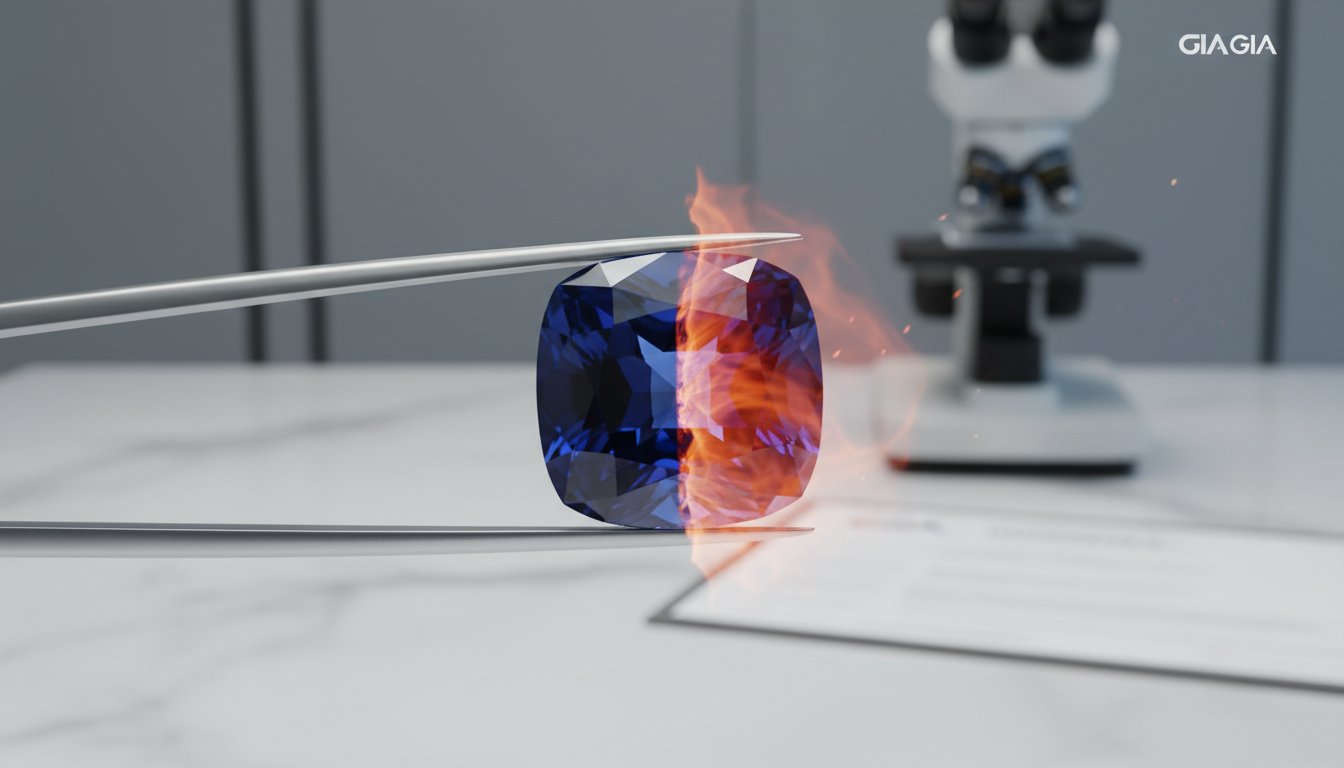
Would you feel differently about an exquisite blue sapphire if you knew it spent several days in a furnace reaching temperatures as high as 1,800 degrees Celsius? For many collectors, the realization that over 95% of all sapphires and rubies in the global trade have been thermally enhanced creates a sudden, sharp sense of uncertainty. You're likely asking, what does gemstone heat treatment mean for the integrity and long-term value of your investment? It's a valid concern, especially when the distinction between a natural stone and a treated one often feels blurred by a lack of market transparency.
At AfricaGems, we believe that true luxury is built on a foundation of radical honesty. You'll learn the precise science behind why heat is used to dissolve rutile silk or intensify a stone's pleochroism, alongside the specific value implications that separate a heated stone from its ultra-rare, unheated counterpart. We'll provide the technical clarity needed to decode a GIA or AGL lab report with ease. This guide ensures you have the expert-level knowledge required to choose a breathtaking gem that aligns perfectly with your personal standards for quality and authenticity.
Key Takeaways
- Understand exactly what does gemstone heat treatment mean as a "natural-to-natural" enhancement that unlocks a stone's latent beauty without synthetic intervention.
- Discover how thermal processes dissolve internal inclusions like rutile silk to transform hazy minerals into breathtaking, loupe-clean treasures.
- Master the "Value Gap" to understand why unheated stones command a premium and when "Heat Only" treatments offer the ideal balance of exquisite color and market value.
- Identify the microscopic markers and essential lab reports from GIA or Gübelin that provide the radical transparency needed for secure, high-value acquisitions.
- Gain a professional framework for choosing between the extreme rarity of unheated specimens and the saturated brilliance of heated stones based on your specific lifestyle or collection goals.
What Does Gemstone Heat Treatment Mean? The Science of Thermal Enhancement
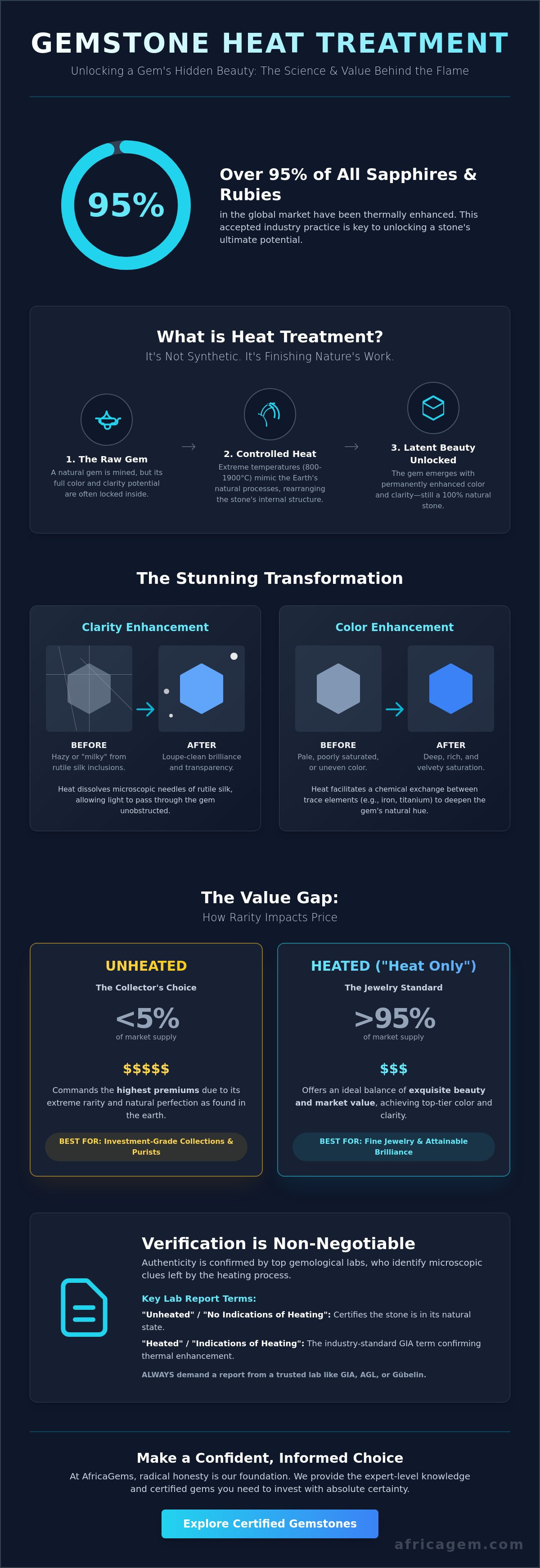
At its core, heat treatment is the controlled application of extreme temperatures, often reaching between 800°C and 1,900°C, to improve a stone's color or clarity. This process isn't about creating something synthetic. It's a "natural-to-natural" enhancement that works with the existing chemistry of the crystal lattice. Understanding what does gemstone heat treatment mean is vital for any serious collector, as it directly impacts both the rarity and the market value of a piece. Estimates from major gemological institutions suggest that over 95% of rubies and sapphires currently on the market have undergone some form of thermal enhancement.
Collectors often explore Gemstone Heat Treatments to learn how color saturation is improved through thermal energy. While "heat only" is a standard industry practice that remains stable and permanent, it's distinct from more invasive methods like beryllium diffusion. Diffusion involves adding foreign elements into the crystal lattice at high heat to force a color change. In contrast, standard heating simply rearranges the internal elements already present in the stone. This transparency is a cornerstone of the AfricaGems philosophy, ensuring you know exactly what has happened to your gem from the mine to the vault.
To better understand this concept, watch this helpful video:
The Geological Connection: Nature’s Unfinished Work
Gemstones grow deep within the Earth's crust under intense heat and pressure. Sometimes, tectonic shifts or mining activities bring these crystals to the surface before they've reached their full aesthetic potential. Think of heat treatment as finishing what nature started. By mimicking the high-temperature environment of the mantle, gemologists provide the "incubation time" a crystal missed. It's a way of accelerating geological processes that might've taken another million years to complete naturally. This is why a heated stone is still considered a natural gem, unlike a lab-grown alternative.
Common Terms You Will Encounter
When reviewing lab reports or certificates, you'll see specific language used to describe a stone's history. These terms are non-negotiable for establishing value and authenticity in the trade:
- Unheated: The stone has had no thermal intervention since it was pulled from the ground. These are exceptionally rare and command the highest premiums in the collector market.
- Heated or Thermally Enhanced: This indicates the stone underwent standard heat treatment to improve its appearance. It's the industry norm for most fine jewelry.
- Indications of Heating: This is the precise phrasing used by major labs like the GIA. It means diagnostic features, such as dissolved rutile silk or altered inclusions, prove the stone was heated.
Why Are Gemstones Heated? Color, Clarity, and Stability
Understanding what does gemstone heat treatment mean requires looking at the molecular level of a crystal. Most gems spend millions of years in high-pressure environments, but they don't always reach their full aesthetic potential. Heat treatment is essentially a laboratory-controlled extension of the earth's natural volcanic processes. One primary reason for heating is to improve transparency by dissolving "rutile silk." These microscopic, needle-like inclusions of titanium dioxide can make a stone look sleepy or milky. When the stone is subjected to extreme temperatures, these needles melt and integrate into the crystal lattice, resulting in a loupe-clean appearance that allows light to dance through the facets.
Beyond clarity, heat acts as a catalyst for dramatic color shifts. In blue sapphires, the presence of iron and titanium trace elements creates the desired hue. Heating facilitates a chemical exchange between these ions, deepening a pale stone into a rich, velvety blue. Unlike surface coatings or temporary dyes, heat treatment is permanent. The changes occur within the stone's internal structure; they won't fade with light exposure or wear away over time. This stability is a hallmark of quality thermal enhancement. Because these changes are irreversible, the GIA Introduction to Gem Treatments emphasizes the importance of identifying these stones through professional lab reports. At AfricaGems, we believe full disclosure is an ethical necessity. Every collector deserves to know exactly how their stone achieved its breathtaking color.
The Transformation of Corundum: Sapphires and Rubies
Corundum is the primary candidate for high-heat techniques. In Sri Lanka, miners often find "geuda," a translucent, milky sapphire that lacks commercial appeal. By heating these stones to temperatures exceeding 1,500°C, the internal chemistry resets to produce a vibrant cornflower blue. For those seeking loose burma rubies, heat is frequently used to refine the stone's personality. It effectively removes secondary purple or brown overtones, leaving behind the pure, "pigeon blood" red that connoisseurs demand. While unheated rubies command a significant premium, a expertly heated ruby offers exquisite beauty and exceptional value.
Beyond Corundum: Tanzanite, Zircon, and Tourmaline
Thermal enhancement isn't limited to the 1,500°C furnace. Different minerals require different approaches to reveal their hidden beauty:
- Tanzanite: Almost all tanzanite is heated to approximately 600°C to eliminate the brownish-green pleochroism found in the rough, leaving only the iconic blue and violet.
- Blue Zircon: This stone requires heat to transform from its natural reddish-brown state into its signature electric blue, a color rarely found elsewhere in nature.
- Paraiba Tourmaline: Careful, low-heat applications can clarify "neon" colors by reducing the influence of certain trace elements that cause dark patches.
When you consider what does gemstone heat treatment mean for your collection, think of it as the final polish on a masterpiece. If you're looking for a stone that balances natural rarity with professional refinement, you can browse our curated selection of loose gemstones to find a piece that speaks to your personal style.
The Value Gap: How Heat Treatment Affects Gemstone Prices
Understanding what does gemstone heat treatment mean is essential for any serious collector because the financial implications are staggering. Natural, unheated gemstones represent a tiny fraction of the global supply, often cited as less than 1% of the high-end market. This extreme scarcity creates a massive price disparity. While heat is a stable and permanent enhancement, it remains a human intervention. Collectors pay a significant premium for "nature-made" perfection that hasn't been touched by anything other than a lapidary's wheel. To understand the full spectrum of these interventions, you can refer to the Gemological Institute of America (GIA) guide to gem treatments, which outlines how various enhancements affect market perception.
For most buyers, "Heat Only" is an acceptable and value-maintaining standard. It allows for vibrant, saturated colors that would otherwise be unattainable at a mid-range price point. However, when a stone is accompanied by a reputable lab report confirming "No Indications of Heating," it enters a different asset class entirely. This "Collector’s Premium" isn't just about beauty; it's about the tangible rarity of the specimen.
Unheated vs. Heated: A Price Comparison
The price gap between heated and unheated stones isn't linear. It widens exponentially as the carat weight increases. Finding a 1-carat unheated sapphire is difficult, but finding a 5-carat unheated sapphire with top-tier color is a once-in-a-decade event for many dealers. A top-tier natural blue sapphire that is unheated can cost 50-100% more than its heated counterpart.
| Carat Weight | Heated (Fine Quality) | Unheated (Fine Quality) | Estimated Premium |
|---|---|---|---|
| 1.00 Carat | $1,500 - $3,000 | $2,500 - $5,000 | ~65% |
| 2.00 Carat | $4,000 - $9,000 | $8,000 - $18,000 | ~100% |
| 5.00 Carat | $20,000 - $40,000 | $50,000 - $100,000+ | ~150%+ |
Is a Heated Gemstone a Bad Investment?
Buying a heated stone isn't a mistake, provided the treatment is disclosed. High-quality heated stones still appreciate in value over time because the global demand for fine gems consistently outstrips supply. You must, however, distinguish "Heat Only" from aggressive treatments like "Glass Filling" or "Beryllium Diffusion." These processes introduce foreign substances or alter the stone at a molecular level, which effectively destroys resale value. If you're looking for the best ROI, focus on "eye-clean" heated stones with excellent luster.
It's also vital to recognize that what does gemstone heat treatment mean varies by species. For Tanzanite, heat is nearly universal. Since almost all Tanzanite is heated to transform its brownish raw state into vibrant violet-blue, the treatment doesn't negatively impact the price. In that specific market, an unheated stone is a gemological curiosity rather than a requirement for value.
How to Detect Heat Treatment: Lab Reports and Microscopic Clues
Identifying thermal enhancement isn't a task for the casual observer. While a standard 10x jeweler's loupe reveals basic clarity, it rarely uncovers the subtle evidence left by a high-pressure furnace. To truly understand what does gemstone heat treatment mean for a specific stone's value, you must look deeper into its internal anatomy. Detection requires a blend of high-powered magnification and advanced spectroscopic analysis that only specialized laboratories can provide.
Reading the Lab Report
High-stakes collecting requires documentation from elite institutions like the GIA, AGTA, or Gübelin. These labs employ sophisticated technology to confirm a stone's history. You'll find the critical data in the "Comments" or "Treatments" section of the certificate. Labs use a standardized coding system. An "N" signifies a natural, unheated state, while "H" indicates standard heat. If you see codes like "H(a)" or "H(b)," the lab has detected minor residues within surface-reaching fissures. For the serious investor, the phrase "no indications of heating" remains the absolute gold standard. It confirms the gem's color is a 100% natural phenomenon, untouched by human intervention.
The Microscopic Evidence
Gemologists hunt for "signatures" left by extreme temperatures. In unheated sapphires, rutile "silk" appears as long, sharp, needle-like inclusions that intersect at precise 60 or 120-degree angles. When a stone is heated, these delicate needles often dissolve or "melt" into tiny, disconnected droplets. You might also see "discoidal" tension halos. These look like small, circular fractures surrounding a crystal inclusion that expanded and popped during the heating process. Even at 40x magnification, some low-heat treatments are so subtle they challenge the world's most prestigious labs. This is why the absence of these heat-born features is so highly prized in the trade.
The AfricaGems Difference is rooted in radical transparency and a refusal to compromise on integrity. We believe you deserve the full story of every stone before you make a commitment. Every high-value gem in our collection undergoes a rigorous vetting process to ensure its treatment status is accurately represented. Marc Sarosi personally oversees our selection, ensuring that every treatment, no matter how minor, is disclosed upfront. This commitment to honesty is why 95% of our long-term clients trust us to source their most important acquisitions. We don't just sell gemstones; we provide the technical validation and security required for a confident purchase.
Making the Choice: When to Buy Heated vs. Unheated
Choosing between a heated and unheated stone often feels like a tug-of-war between the heart and the ledger. To understand what does gemstone heat treatment mean for your specific purchase, you must first define the stone's ultimate destination. Is this gem destined for a daily-wear engagement ring or a climate-controlled safe-deposit box? The answer dictates whether you should prioritize rarity or visual impact.
If you prioritize visual beauty for personal enjoyment, heated stones offer a significant advantage. You can often secure a 2-carat sapphire with vivid saturation for the same price as a 0.75-carat unheated stone of similar color. For most buyers, the trade-off is simple. A larger, more vibrant stone that fits the budget is usually more satisfying than a smaller, paler stone that happens to be untreated. If a stone's deep "Pigeon Blood" red or "Cornflower" blue captivates you, its thermal history is secondary to the joy it brings when worn.
The Case for Heated Gemstones
Heated gems allow you to get more stone for your money. They provide the exquisite saturation usually reserved for the top 1% of natural finds. Because heat treatment is permanent and stable, these stones are perfect for daily-wear jewelry. You get a breathtaking look without the five-figure premium associated with rare, untreated specimens. It's a practical choice for those who value brilliance and size over investment-grade scarcity.
The Case for Unheated Gemstones
Unheated stones are the premier choice for the rare gemstones collector and investor. There is a profound romantic appeal in owning a gem that emerged from the earth with its color already perfected. These stones typically boast better long-term value retention. In a volatile market, the scarcity of untreated material acts as a natural hedge. This makes them ideal for those seeking a tangible asset that is exactly as it came from the earth.
At AfricaGems, we believe transparency is the only path forward. Every stone we offer comes with full disclosure. Whether you choose the accessible beauty of a heated gem or the raw rarity of an untreated one, you deserve the truth. We prioritize ethically sourced stones that meet our rigorous quality standards. This commitment to radical transparency ensures you aren't just buying a stone; you're investing in a piece of earth's history with total confidence. Always prioritize the AfricaGems standard of fully disclosed, ethically sourced gems to ensure your investment is secure.
Secure Your Legacy with Informed Acquisition
Understanding what does gemstone heat treatment mean empowers you to navigate the high-end market with absolute confidence. While thermal enhancement remains a standard practice for approximately 95% of rubies and sapphires found today, the rare stones that emerge from the earth with natural, vivid color represent the ultimate prize for connoisseurs. These unheated specimens frequently command a value premium of 50% or more compared to their treated counterparts due to their geological rarity. At AfricaGems, we practice radical transparency by providing full treatment disclosure on every single stone in our inventory. Founder Marc Sarosi provides a personal guarantee on every purchase, ensuring your investment is protected by decades of expertise. We specialize in the procurement of exquisite, unheated Blue Sapphires and Mozambique Rubies that meet the most rigorous gemological standards. It's time to partner with a dealer who values truth as much as beauty. Explore our collection of ethically sourced, certified unheated gemstones and find a piece that resonates with your personal style.
Frequently Asked Questions
Is heat treatment permanent in gemstones?
Heat treatment is permanent and stable under all normal wearing conditions. It doesn't fade with light exposure or change during standard ultrasonic cleaning. Because the process mimics the earth's natural thermal energy, the results are locked into the crystal structure forever. You won't need to worry about the color reverting or the stone's appearance shifting over decades of daily wear. This stability makes it the most accepted enhancement in the trade.
Does heat treatment make a gemstone "synthetic"?
Heat treatment doesn't make a gemstone synthetic; it remains a natural mineral formed within the earth. A synthetic stone is created in a laboratory using chemical components. When you ask what does gemstone heat treatment mean, it refers to a natural crystal that's been enhanced to reveal its hidden potential. It's the difference between a natural treasure and a lab-grown imitation created in a factory setting.
How much more is an unheated sapphire worth compared to a heated one?
An unheated sapphire typically carries a price premium of 50% to 100% over a heated stone of similar color and clarity. Data from the International Gem Society indicates that as the stone's size exceeds two carats, this price gap widens even further. Collectors pay this premium for the extreme rarity of a stone that achieved cornflower blue or pigeon blood red without any human intervention during its formation.
Are all sapphires and rubies heat treated?
No, but approximately 95% of all rubies and sapphires in the global trade have been heat treated. Finding a stone with exceptional color and clarity straight from the ground is a statistical rarity. Most rough material is cloudy or pale when it's first mined. Thermal enhancement is the industry standard for making these natural treasures visually stunning and commercially viable for high-end jewelry collections around the world.
Can a jeweler tell if a stone is heated just by looking at it?
A jeweler cannot definitively identify heat treatment with the naked eye or a basic 10x hand loupe. Identifying thermal enhancement requires a trained gemologist using 40x to 60x magnification to spot microscopic halo inclusions or melted crystals. For 100% certainty, labs like the GIA use advanced spectroscopy to detect chemical changes at the molecular level that occur during the heating process at temperatures reaching 1600 degrees Celsius.
Does heat treatment affect the durability or hardness of the gem?
Standard heat treatment doesn't lower the gemstone's 9.0 Mohs hardness or its resistance to scratching. It's a safe process that preserves the stone's structural integrity. Some specific treatments, like lead-glass filling, can make a stone more sensitive to acidic chemicals or high heat from a jeweler's torch. We always disclose these details to ensure you know how to care for your specific gem over its lifetime of wear.
What is the difference between "heat only" and "diffusion"?
The primary difference is that "heat only" works with the stone's existing chemistry, while "diffusion" introduces new elements. Simple heating clarifies the rutile already inside the stone. Diffusion involves coating the gem in chemicals like beryllium and heating it to 1800 degrees Celsius to force color into the surface. This creates a vibrant but chemically altered layer that doesn't occur naturally, making it a much less valuable enhancement.
Should I buy a GIA report for a heated gemstone?
You should invest in a GIA report for any heated gemstone to confirm the exact nature of the enhancement. A professional report clarifies what does gemstone heat treatment mean for that specific stone's value and long-term care. It provides an unbiased 100% guarantee that the stone is natural and hasn't undergone more aggressive treatments like lattice diffusion or glass filling, protecting your financial investment and providing peace of mind.