
Natural Emerald Loose Stone: The Connoisseur’s Guide to Quality and Value in 2026
May 12th 2026
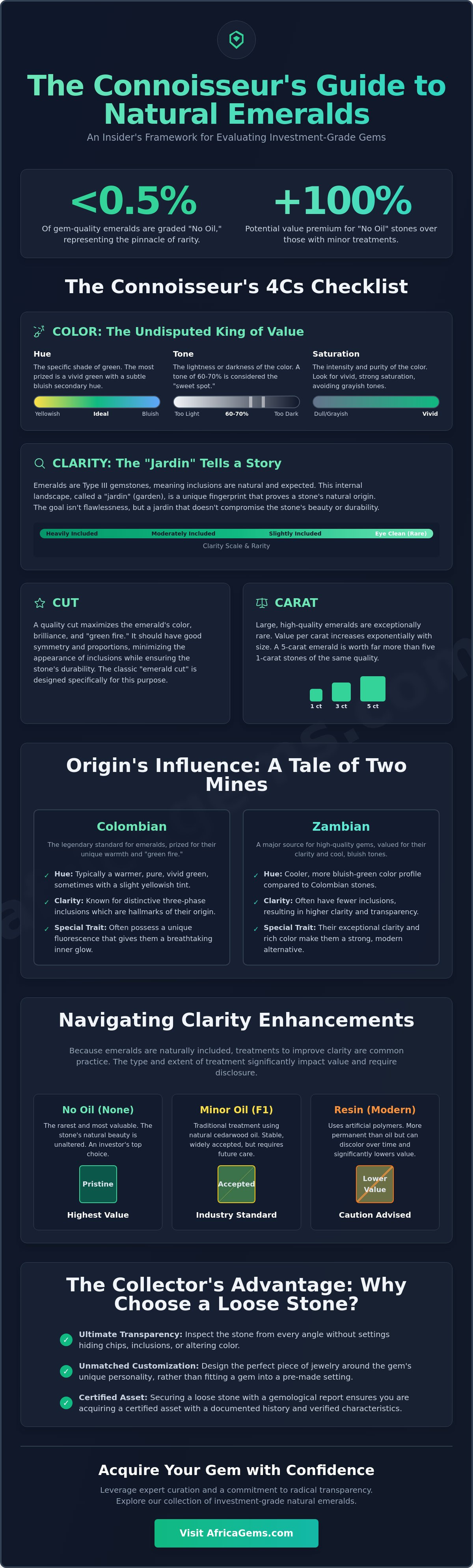
Less than 0.5% of gem-quality emeralds ever reach the market in a pristine "No Oil" condition, a rarity that can drive values up to 100% higher than stones with minor treatments. You likely understand that selecting a fine natural emerald loose stone is a sophisticated balance of appreciating nature's art and verifying rigorous gemological data. It's common to feel overwhelmed by the price discrepancies between Colombian and Zambian origins or the technical complexities of clarity enhancements. At AfricaGems, we prioritize radical transparency to ensure you feel like an informed insider rather than a cautious outsider.
This guide will empower you to master the selection process by focusing on vivid color saturation, origin authenticity, and the unique character of a stone's "jardin." We'll examine the critical 2026 updates, from the GIA's new reporting formats effective January 1 to the recent U.S. Customs tariff refund portal. You'll learn exactly how to secure an investment-grade gem that meets the highest standards of ethics and beauty for your next custom jewelry project.
Key Takeaways
- Learn why selecting a loose stone provides the ultimate vantage point for inspecting color and clarity before it is obscured by a jewelry setting.
- Discover how to prioritize vivid color saturation and the internal "jardin" to ensure your natural emerald loose stone possesses both character and enduring value.
- Understand the significant market premiums associated with geographic origins, from the legendary warmth of Colombian mines to the bluish-green clarity of Zambian gems.
- Navigate the complexities of clarity enhancements by learning to differentiate between traditional cedar oil and modern resins to protect your investment.
- Gain the confidence to acquire rare gems online by leveraging expert curation and a commitment to radical transparency regarding treatment disclosure.
Defining the Natural Emerald Loose Stone: More Than Just a Green Gem
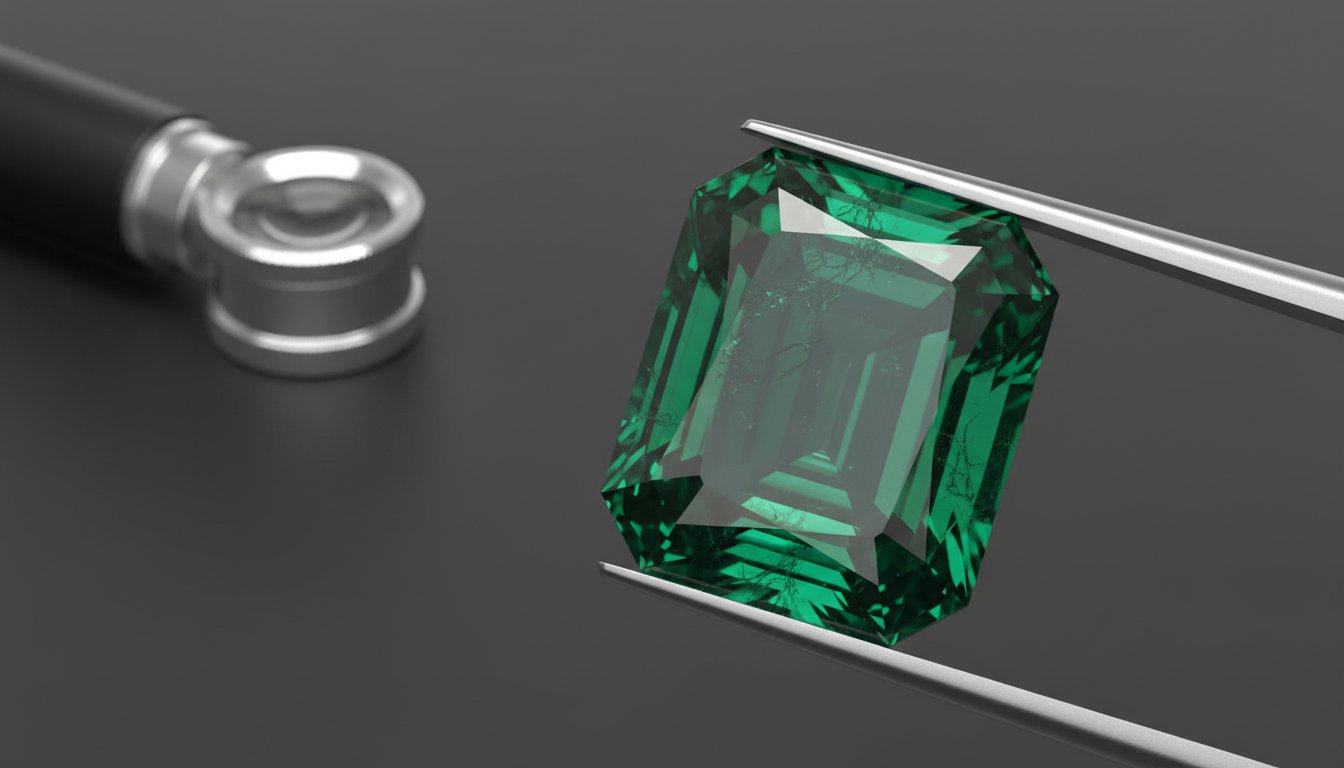
To the uninitiated, an emerald is simply a green rock. To the connoisseur, a natural emerald loose stone represents a rare geological miracle. It's a specific variety of the mineral beryl, transformed by trace amounts of chromium or vanadium into a gemstone that possesses a "green fire" unlike any other mineral on Earth. While many stones are green, only the emerald captures that deep, velvety glow that has captivated royalty for millennia. As of 2026, the market for natural stones has become even more distinct. Discerning collectors are increasingly moving away from the sterile perfection of lab-created alternatives in search of the authentic, earth-mined character that only nature can provide over millions of years.
To witness the vibrant depth and internal life of these gems firsthand, watch this helpful visual guide:
The Beryl Family: Why Emerald is the King of Green
Emerald shares its mineral heritage with aquamarine and morganite, yet it stands alone in prestige. The signature hue is created by specific chromophores, primarily chromium and vanadium, which replace aluminum in the beryl crystal lattice under extreme pressure and temperature. While its siblings like aquamarine are often found in large, clean crystals, emeralds are notoriously rare and usually heavily included. This geological scarcity is why a fine natural emerald often commands a higher price per carat than a colorless diamond of similar size. It's a stone that demands respect for its difficult journey from the earth's crust to the jeweler's bench.
Loose Stones vs. Pre-Set Jewelry: The Collector's Advantage
Buying a stone unmounted is the only way to perform a truly rigorous inspection. Settings can hide chips, mask inclusions, or even alter the apparent color of the gem. When you hold a loose stone, you can view the "jardin" from every angle, ensuring the integrity of the crystal. This transparency is vital for those utilizing custom jewelry design services to create a legacy piece. Selecting the stone first allows you to build the setting around the gem's specific personality, rather than forcing a unique natural treasure into a generic mount. It's the difference between buying a suit off the rack and having one tailored to your exact measurements. This method guarantees that you aren't just buying a piece of jewelry, but securing a certified asset with a documented history.
Evaluating Loose Emeralds: The Connoisseur’s 4C Checklist
While the 4Cs are a universal language in gemology, they don't apply to a natural emerald loose stone the same way they apply to a diamond. Emeralds are classified as Type III gemstones, meaning they are almost always found with internal inclusions. Evaluating them requires a shift in perspective. You aren't looking for a sterile, flawless crystal; you are looking for a stone where color reigns supreme and the internal "jardin" tells a story of authentic origin. To truly master the selection process, you should follow The Connoisseur’s 4C Checklist to understand how these factors intersect to create value.
Color Grading: From Bluish-Green to Vivid Grass Green
Color is the undisputed king of emerald value. It consists of three components: hue, tone, and saturation. The most coveted stones display a vivid, saturated green, often with a subtle bluish secondary hue. Expert collectors look for a "sweet spot" in tone, typically between 60% and 70%. If a stone is too light, it may be classified as green beryl rather than emerald. Conversely, "over-dark" stones can look inky or black in dim lighting, losing the vibrant "green fire" that defines the gem. Top-tier Colombian specimens often possess a unique fluorescence that gives the stone a breathtaking glow, appearing to illuminate from within even in low light.
Clarity and the 'Jardin': Reading an Emerald’s Fingerprint
In the world of emeralds, "eye-clean" is the gold standard. While a sapphire might be expected to be loupe-clean, an emerald's inclusions are affectionately called the "jardin," or garden. These internal features act as a fingerprint, proving the stone is a natural emerald loose stone rather than a synthetic imitation. However, not all inclusions are created equal. You should prioritize "good" inclusions like soft feathers or tiny crystals that don't disrupt the path of light. Be wary of "risky" inclusions, such as surface-reaching fissures or cracks near the corners, as these can compromise the stone's durability when it's eventually placed in a setting.
Cut and Carat: The Architecture of Value
The iconic "Emerald Cut" was specifically engineered to protect this stone's relatively brittle crystal structure. By using stepped facets and cropped corners, lapidaries maximize color depth while minimizing the risk of chipping. When it comes to size, emerald pricing is exponential. Because large, high-quality crystals are so rare, a 2-carat emerald can cost three to four times as much as a 1-carat stone of identical quality. These price leaps become even more dramatic as you cross the 3-carat and 5-carat milestones. If you are beginning your search for a specific size, you can browse our curated selection of Loose Colombian Emeralds to see how these quality factors influence market value in real-time.
Colombian vs. Zambian vs. Brazilian: How Origin Impacts Value
Geographic origin is perhaps the most significant factor in determining the market price of a natural emerald loose stone after its primary color grade. The earth’s chemical signature varies wildly across continents, and these geological differences dictate the gemstone's internal character and rarity. While a gem's beauty should always be your first priority, understanding the nuances of provenance allows you to make a more informed investment. In 2026, the market continues to place a historic premium on specific mines, yet emerging sources are providing savvy collectors with breathtaking alternatives that don't compromise on quality.
The Allure of Muzo and Chivor: Colombian Pedigree
Colombia remains the undisputed gold standard for emerald connoisseurs. The unique geological conditions within the Andes Mountains produce stones that are typically low in iron, resulting in a warm, pure green hue that seems to glow from within. Mines like Muzo and Chivor are legendary for producing gems with exceptional transparency and a vividness that other origins struggle to match. If you want to explore the historical significance of these mines, our emerald gemstone pillar article offers a deep dive into the king of green gems. Be prepared for a significant price premium for "Old Mine" Colombian stones, as their scarcity and pedigree make them highly sought after by global auction houses.
Zambian Emeralds: The Modern Alternative
Zambian emeralds have surged in popularity because they often offer superior structural integrity and clarity compared to their Colombian counterparts. These stones formed under different metamorphic conditions, resulting in a higher iron content that lends the gem a sophisticated bluish-green tint. This chemical makeup often makes Zambian stones more robust, which is a vital consideration if you're selecting a stone for daily wear. From a value perspective, Zambia offers a compelling proposition. You can often secure a larger, more eye-clean natural emerald loose stone for the same budget required for a smaller, more included Colombian gem. This balance of clarity and value is one of the primary emerald value factors that modern buyers prioritize.
Beyond the "Big Two," Brazil and Afghanistan are increasingly recognized for producing world-class specimens. Brazilian stones are celebrated for their lighter, more refreshing green tones and are frequently used in high-end designer jewelry. Afghan emeralds, particularly those from the Panjshir Valley, are known for their exceptional color that rivals the best Colombian mines. Regardless of which origin speaks to you, obtaining a country-of-origin certificate from a reputable lab like GIA or GRS is essential. This documentation ensures you're paying a fair market price based on verified provenance rather than marketing claims.
Emerald Clarity and Treatments: Navigating the Oil Debate
Transparency is the bedrock of the AfricaGems experience. It's a fundamental truth in gemology that approximately 99% of all emeralds undergo clarity enhancement. Because emeralds are naturally included, they possess tiny fissures that reach the surface. For centuries, lapidaries have used colorless oils to fill these reaches, improving the stone’s visual transparency without altering its chemical nature. You shouldn't fear oil. A natural emerald loose stone that has been ethically oiled remains a genuine miracle of nature. The treatment is simply a finishing touch that allows the gem's true color to shine through without the distraction of surface-breaking "jardin."
While traditional cedar oil is the connoisseur’s choice due to its stability and similar refractive index, modern artificial resins have entered the market. We remain cautious here. Resin fillers are generally discouraged by connoisseurs because they can discolor over time and are significantly harder to remove if the stone ever needs professional cleaning. The ultimate prize, however, is the "No Oil" emerald. Less than 0.5% of gem-quality stones are found in this pristine condition. Because they're so rare, a certified "No Oil" specimen can command a price premium of 60% to 100% over a similarly graded stone with minor oil.
Minor, Moderate, and Significant: Decoding Lab Reports
When you examine a GIA or GRS report for a natural emerald loose stone, you'll see a grade for the level of clarity enhancement. "Minor" oil is the industry standard for fine, investment-grade jewelry. It indicates that the oil only fills a few surface-reaching fissures and doesn't fundamentally change the stone's appearance. "Moderate" enhancement is common in commercial-grade gems. We generally advise collectors to avoid stones labeled with "Significant" oil. These gems often rely on the filler for their structural integrity, and there's a higher risk of the stone cracking or the color appearing to fade if the filler dries out or leaks.
Stability and Care: Protecting Your Investment
Owning a fine emerald requires a different care regimen than a diamond or sapphire. You must never place your emerald in an ultrasonic or steam cleaner. These machines use heat and vibrations that can strip the oil from the stone, leaving it looking dull and brittle. Instead, clean your gem with a soft brush and lukewarm, soapy water. Over several decades, even the best-kept stones might benefit from professional re-oiling to restore their original luster. This is a standard maintenance procedure, much like servicing a fine Swiss watch. If you're ready to find a stone with a perfectly disclosed treatment history, you can view our collection of Loose Colombian Emeralds to see the AfricaGems difference in person.
Buying Your Loose Emerald Online: The AfricaGems Difference
Securing a natural emerald loose stone in 2026 requires more than just a keen eye for color; it demands a partnership with a dealer who values integrity as much as aesthetics. While commercial sites rely on volume, our approach at AfricaGems is rooted in expert curation. We don't list thousands of stones just to fill a database. Instead, Marc Sarosi personally selects each gem, applying a standard of "would I own this myself?" to every purchase. This personal accountability transforms a digital transaction into a consultation with a mentor who has spent decades in the trade. We handle the complexities of the 2026 market, including the latest GIA reporting standards and international tariff regulations, so you can focus on the beauty of the mineral.
Radical Transparency in Gemstone Trading
Radical transparency isn't just a marketing buzzword; it's our operational standard. Our disclosure policy never wavers, whether we are discussing the rare "No Oil" emerald specimens or comparing them to the market for Loose Burma Rubies. Marc’s experience acts as your primary shield against "solarized" or dyed stones that often flood the secondary market. To bridge the gap between the digital screen and the physical loupe, we provide high-definition videos for every natural emerald loose stone in our inventory. These videos allow you to observe the play of light and the internal jardin with a level of detail that still photos simply cannot capture, ensuring there are no surprises when the gem arrives at your door.
From Loose Stone to Bespoke Masterpiece
Once you've secured your gem, the journey toward a bespoke masterpiece begins. Emeralds are relatively brittle compared to sapphires, so our designers focus on settings that protect the vulnerable corners, such as V-prongs or protective bezel mounts. Choosing the right metal is equally vital for the final aesthetic. While platinum offers a cool, modern contrast, 18k yellow gold remains the traditional favorite because the yellow tones naturally enhance the warm, lush greens of a fine emerald. Our custom jewelry design services ensure that your investment is not only secure but showcased in a way that reflects its unique personality and geological history.
Every stone we sell comes with the security of a comprehensive guarantee and independent certification, providing the peace of mind necessary for high-value acquisitions. Explore our collection of natural loose emeralds today and discover why collectors around the world trust the AfricaGems Difference for their most precious acquisitions.
Securing Your Legacy in Green
Selecting a natural emerald loose stone is a deeply personal journey that marries gemological science with an appreciation for nature's artistry. You now have the essential tools to evaluate the internal "jardin" with confidence and understand how geographic origin dictates both beauty and long-term value. Whether you're drawn to the legendary warmth of a Colombian specimen or the sophisticated clarity of a Zambian gem, the key is finding a stone that resonates through its unique character and vivid saturation.
Since 1984, Marc Sarosi has built AfricaGems on a foundation of radical transparency and expert curation. We provide full disclosure on all gemstone treatments so you can acquire your next masterpiece with absolute security. With free shipping and a 30-day money-back guarantee, your path to owning a rare, ethically sourced emerald is clear and protected. Discover the AfricaGems Collection of Natural Loose Emeralds and begin your custom design project today. A masterwork of nature is waiting to become a cherished part of your personal collection.
Frequently Asked Questions
How much is a 1-carat natural loose emerald worth in 2026?
In 2026, the price for a natural emerald loose stone varies dramatically based on quality. Commercial-grade stones typically range between $500 and $3,000 per carat. However, the finest specimens with exceptional color and minimal treatment can command $10,000 to $30,000 per carat. Lower-quality stones with significant inclusions are often available for under $100. Always prioritize color saturation and transparency when evaluating these price points.
What is the best cut for a natural loose emerald stone?
The classic "Emerald Cut" remains the superior choice for this gemstone. This rectangular step-cut was specifically engineered to protect the stone's corners, which are prone to chipping. It also maximizes the depth of color and allows you to view the internal "jardin" clearly. While round or cushion cuts are available, they often hide more of the stone's unique character and can be less structurally secure in a setting.
Are Colombian emeralds better than Zambian emeralds?
Neither origin is objectively "better," but they offer different aesthetic profiles. Colombian stones are the historical gold standard, prized for their warm, pure green hues and low iron content. Zambian emeralds often possess a more bluish-green tint and superior clarity. Many collectors choose Zambian stones because they provide a larger, cleaner gem for the same budget. Your choice should depend on whether you prefer classic pedigree or modern value.
What does 'minor oil' mean on an emerald certificate?
A "minor oil" grade on a gemological report indicates that a small amount of colorless oil has been used to fill surface-reaching fissures. This is the industry standard for fine jewelry and doesn't compromise the stone's value. It simply improves visual transparency by allowing light to pass through the gem more cleanly. We only advocate for minor treatments, as stones with "significant" oiling may lose their structural integrity over time.
Can I use a loose emerald for an engagement ring?
You can certainly use a natural emerald loose stone for an engagement ring, provided you select a protective setting. Emeralds rank 7.5 to 8 on the Mohs scale, making them hard enough for daily wear, but they are more brittle than sapphires. We recommend bezel settings or heavy V-prongs to shield the corners from impact. Regular maintenance and avoiding ultrasonic cleaners will keep your heirloom looking breathtaking for generations.
How can I tell if a loose emerald is real or lab-created?
The presence of a "jardin" is the most reliable indicator of a natural stone. Natural emeralds contain complex, multi-phase inclusions that are nearly impossible to replicate perfectly in a lab. Lab-created stones often appear "too perfect" or show uniform growth patterns under a loupe. To ensure absolute security, you should only purchase stones accompanied by an independent report from a reputable lab like the GIA or GRS.
Why are some emeralds cloudy while others are transparent?
The level of transparency is determined by the density and type of internal inclusions. When an emerald contains a high concentration of fine fissures or crystals, it scatters light, resulting in a cloudy or "sleepy" appearance. More transparent stones have fewer or less intrusive inclusions, allowing light to travel through the crystal lattice without interruption. While transparency is rare and valuable, a beautiful "jardin" can add unique character to a gem.
Does AfricaGems provide certificates with every loose emerald?
Yes, AfricaGems provides independent certification and full treatment disclosure with every purchase. We believe radical transparency is essential for high-value transactions. Every stone in our collection is accompanied by a report from a respected laboratory, such as GIA or GRS, verifying its origin and enhancement level. This documentation ensures you're making an informed investment and provides a permanent record of your gemstone's specific quality and pedigree.