
Loose Mozambique Rubies: The Ultimate Connoisseur’s Buying Guide
Sep 14th 2026
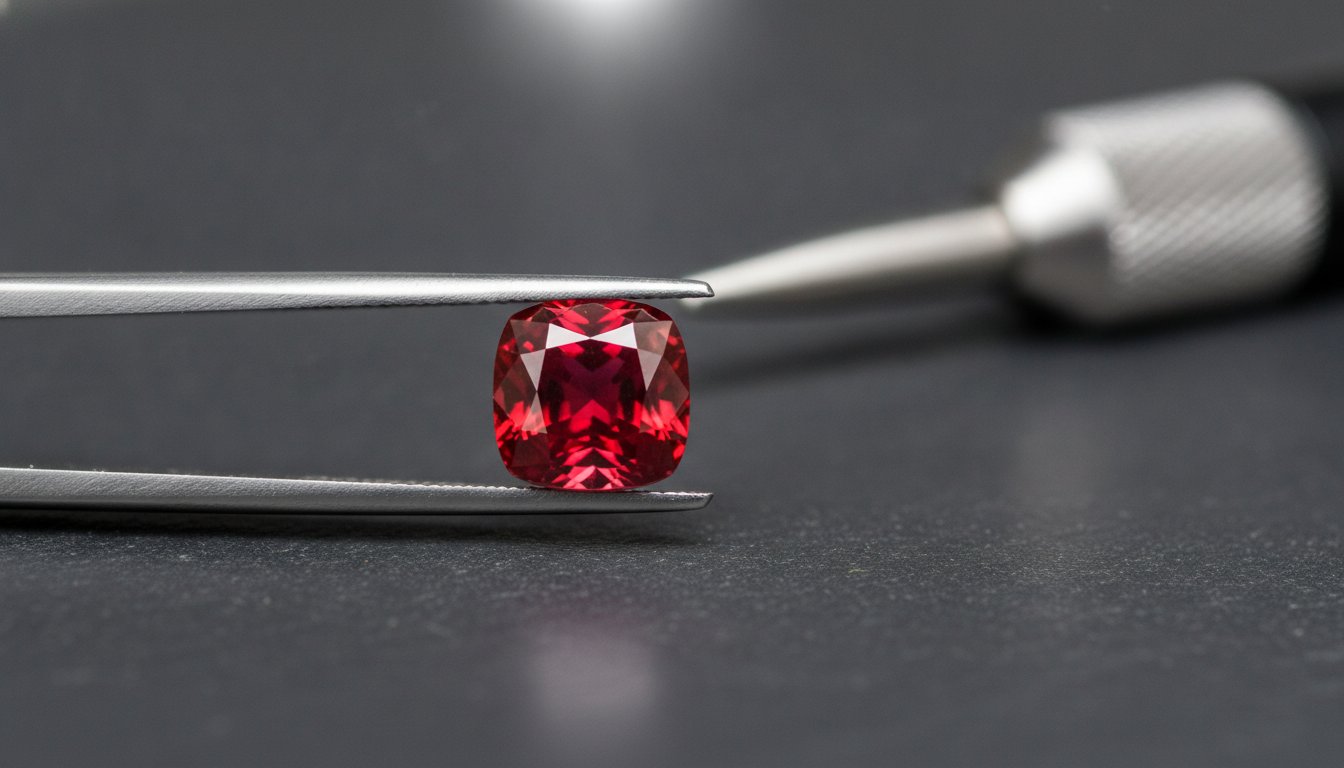
The legendary status of Burma rubies is being challenged by a vibrant newcomer that offers superior clarity and ethical transparency. While many collectors still cling to the prestige of Mogok, the most discerning connoisseurs have shifted their focus to the Montepuez region. If you're searching for loose mozambique rubies, you've likely encountered the anxiety of avoiding glass-filled treatments or the confusion surrounding the "Pigeon Blood" designation. It's a complex market where technical data often hides behind marketing jargon.
I understand the need for radical transparency when investing in high-value gemstones. This guide promises to transform you into an informed insider, capable of evaluating Mozambique rubies with professional-grade precision. You'll learn how the June 3, 2026, mining laws are tightening global supply and why unheated stones command such a significant premium. From understanding the impact of mandatory state participation in mining to the final steps of creating a custom jewelry piece, we'll cover the essential criteria for securing a stone of true legacy quality.
Key Takeaways
- Learn to identify the elusive "Pigeon Blood" designation and why Mozambique stones offer superior clarity for high-end collectors.
- Master the art of vetting loose mozambique rubies by distinguishing between investment-grade unheated gems and common glass-filled treatments.
- Discover why Montepuez rubies provide a more favorable value proposition compared to Burma rubies without sacrificing vivid red saturation.
- Understand the critical role of GIA, SSEF, or GRS certification in validating origin and securing your investment's future resale value.
- Explore the strategic advantage of sourcing loose stones to create bespoke, legacy-quality jewelry through expert custom design services.
The Rise of Mozambique Rubies: Why This Origin Dominates the Market
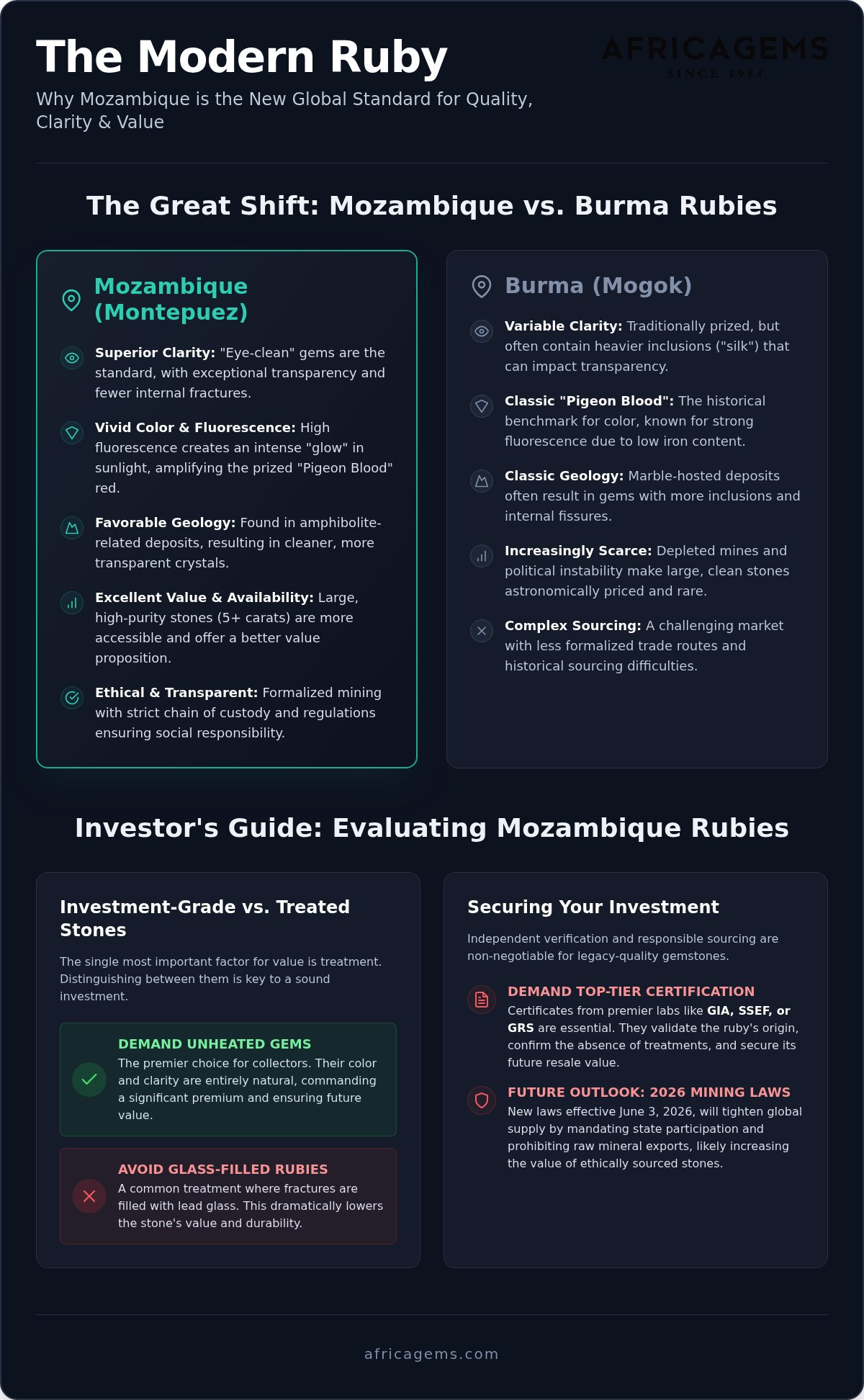
For decades, the Mogok Valley in Burma set the benchmark for ruby quality. However, a seismic shift occurred as political instability and depleted mines made Burmese stones increasingly scarce. Today, loose mozambique rubies have claimed the throne, offering a combination of vivid saturation and crystalline clarity that was once nearly impossible to find in larger sizes. This transition isn't just about availability; it's about a geological profile that favors the modern collector's demand for "eye-clean" gems. For those seeking foundational Ruby gemstone information, the rise of East African deposits represents the most significant development in the trade's recent history.
To better understand the socio-economic impact and the sheer scale of these operations, watch this helpful video:
The Montepuez Factor: A New Era for Rubies
The landscape of high-end corundum changed forever with the 2009 discovery in the Cabo Delgado province. Unlike the marble-hosted rubies of Burma, which often contain heavy inclusions, Mozambique stones are typically found in amphibolite-related deposits. This geological setting results in gems with fewer internal fractures and exceptional transparency. The Montepuez deposit is the world's most significant ruby source since 2009. Collectors can now acquire five-carat stones with a level of purity that would be astronomical in price, or simply non-existent, from older Asian sources.
Ethical Sourcing and Transparency
Modern connoisseurs prioritize the story behind the stone as much as the stone itself. The African gemstone trade has undergone rigorous formalization, particularly with the new mining laws effective June 3, 2026. These regulations mandate state participation and prohibit the export of unprocessed minerals, ensuring more value remains within Mozambique. AfricaGems remains at the forefront of this movement, maintaining a strict chain of custody and full disclosure for every gem. You can explore our collection of responsibly sourced stones to see how ethical procurement translates into world-class beauty. By choosing loose mozambique rubies from a trusted dealer, you're supporting an industry that values social responsibility and environmental stewardship.
Evaluating Loose Mozambique Ruby Quality: Color, Clarity, and Cut
Evaluating loose mozambique rubies requires a departure from the traditional Burmese framework. While the "Big Four" criteria of color, clarity, cut, and carat weight still apply, the unique geological fingerprint of the Montepuez region demands a specialized eye. Unlike other origins where heavy inclusions are the norm, these African gems are prized for their crystalline transparency and exceptional light performance. As noted in this study by the GIA on Mozambique Rubies, the market has matured to recognize these stones as more than just alternatives; they're a primary standard for high-quality red corundum.
The "Pigeon Blood" Standard in Mozambique
The term "Pigeon Blood" represents the pinnacle of ruby color, characterized by a vivid, highly saturated red with a soft secondary purple or pink hue. Major labs like GRS and GIA look for a specific balance of tone and saturation to award this premium designation. While Burma rubies are famous for their strong fluorescence due to low iron, the African variety has carved its own niche. Mozambique rubies often possess a slightly lower iron content, leading to high fluorescence. This means the stone "glows" when exposed to sunlight, intensifying the red beyond what the base color alone would suggest.
Clarity and Inclusions
Clarity is where Mozambique truly outshines its competitors. Most investment-grade loose mozambique rubies are "eye-clean," meaning no inclusions are visible to the naked eye at a distance of six inches. When inspecting under 10x magnification, you'll likely see delicate rutile needles or "silk." For a serious collector, "Very Slightly Included" (VSI) is the ideal benchmark. It ensures the stone is structurally sound and visually pure without the "sleepiness" or milkiness that can plague stones from other regions.
Precision faceting is the final step in unlocking a stone's potential. A well-cut ruby maximizes fire and brilliance, ensuring light returns to the viewer's eye rather than "leaking" through the bottom of the gem. In the current market, finding 2ct+ specimens is entirely possible, allowing for significant presence in a custom ring or pendant. If you're ready to see these quality factors in person, you can browse our curated selection of natural rubies to find a stone that meets these rigorous standards.
Mozambique vs. Burma Rubies: Value, Rarity, and Aesthetic Differences
The debate between Mozambique and Burma rubies is the most significant conversation in modern gemology. While Burma (Myanmar) holds the historical crown for "pigeon blood" stones, the Montepuez mines have redefined what a high-end ruby looks like for the contemporary collector. Choosing loose mozambique rubies isn't just a budget-conscious decision; it's a strategic move for those who prioritize crystalline transparency and consistent color saturation. The rivalry isn't about which origin is "better," but rather which aesthetic and financial profile aligns with your collection goals.
The Value Proposition of African Rubies
The visual differences are subtle but distinct to the trained eye. Burma rubies are famous for their "glow," a result of light scattering off fine rutile silk. This creates a soft, velvety appearance that some find romantic. In contrast, loose mozambique rubies are known for their "cleaner" look. They possess a high degree of transparency that allows for sharp, brilliant light return. The secondary hues also differ; while Mogok stones lean toward a pure red, Montepuez specimens often exhibit a slight, sophisticated purple undertone that adds depth to the stone's appearance. The color consistency across the Montepuez deposit is also remarkably high, ensuring that a suite of stones for earrings or a bracelet will match perfectly in tone and saturation.
From an investment perspective, both origins have merit. Burma rubies carry a "legacy premium" that appeals to auction-house bidders. However, the market for African rubies is maturing rapidly. As supply from traditional sources continues to dwindle, the liquidity and demand for certified, unheated Mozambique stones are reaching all-time highs. For a comprehensive look at the historical side of this rivalry, explore our Burma ruby connoisseur's guide.
Understanding Ruby Treatments and the Importance of Certification
The integrity of a gemstone is the bedrock of its value. When you evaluate loose mozambique rubies, understanding the distinction between natural, heat-treated, and heavily enhanced stones is paramount. In the current 2026 market, unheated Mozambique rubies command a price premium of 150% to 300% over heated stones of similar quality. This massive delta reflects the rarity of a gem that emerged from the earth with its color and clarity already at a world-class level. For the serious connoisseur, an unheated stone isn't just a purchase; it's a preserved piece of geological history.
While heat is a standard enhancement, you must remain vigilant against the "glass-filled" trap. Many African rubies sold at suspiciously low prices have been infused with lead glass to hide fractures and improve transparency. These stones are fragile, difficult to repair, and hold almost no resale value. They are effectively hybrid materials rather than true gemstones. AfricaGems maintains a policy of radical transparency, ensuring that every stone in our inventory is vetted to exclude these unstable treatments. We believe that an informed buyer is a secure buyer.
The "Heat Only" Standard
Traditional heat treatment is an industry-accepted practice that has been used for centuries. By carefully heating the stone to specific temperatures, gemologists can dissolve rutile silk and intensify the red saturation without compromising the stone's structural integrity. This process mimics what nature started, and the results are permanent and stable. It's important to distinguish these natural, heated gems from synthetic or non-genuine options that do not possess the same physical properties or investment potential as earth-mined corundum.
How to Read a Gemological Report
A high-value ruby is only as good as the paper that accompanies it. For loose mozambique rubies, a report from a premier laboratory like GIA, GRS, or AGL is non-negotiable. These documents provide a technical breakdown that includes:
- Origin Verification: Confirming the stone is truly from the Montepuez region.
- Treatment Remarks: Identifying if the stone is "No Heat" or "Heated."
- Residue Levels: Understanding if there are "minor" or "moderate" residues in healed fissures, which can impact value.
At AfricaGems, we provide original lab reports with every significant purchase, acting as your expert mentor in the procurement process. If you're ready to acquire a stone with guaranteed integrity, you can browse our collection of certified rubies today.
Investing in Loose Rubies: How to Source and Design Custom Jewelry
Metal choice is a critical decision in the connoisseur’s journey. Platinum provides a crisp, modern backdrop that allows the vivid red of a Mozambique ruby to stand alone with icy brilliance. Conversely, 18k yellow gold remains the traditional choice for many collectors; the warm tones of the gold can actually enhance the perceived saturation of the red, making the gem appear even more lush and vibrant. To begin exploring these aesthetic possibilities, you can start the design process by viewing our curated selection of high-end mounting options.
The Custom Design Journey
Creating a piece of legacy jewelry around a specific gem is a deeply personal endeavor. Whether you are envisioning a bespoke engagement ring or a signature pendant, the process at AfricaGems is highly collaborative. You aren't just navigating an automated storefront; you have the opportunity for a personal consultation with Marc Sarosi to ensure the setting style protects the stone while maximizing its light performance. This bespoke approach ensures that the final piece reflects the rarity of the material. For a deeper look at the strategic side of these high-value acquisitions, read our expert guide to secure investing.
The AfricaGems Guarantee
Since our founding in 1984, we have positioned ourselves as a knowledgeable mentor to the world's most discerning collectors. Every purchase of loose mozambique rubies is backed by a personal guarantee of authenticity and a commitment to radical transparency regarding stone enhancements. We understand the gravity of high-value online transactions, which is why we prioritize secure, insured shipping and comprehensive warranties. Your investment is protected from the moment of selection to the final delivery of your custom-designed heirloom. We invite you to browse the full collection and discover the cornerstone of your next jewelry masterpiece.
Securing Your Legacy with a World-Class Gemstone
The transition from a casual admirer to a serious collector begins with the understanding that not all red gems are created equal. By prioritizing stones from the Montepuez mines, you're choosing a modern standard of crystalline transparency and ethical sourcing that traditional origins can no longer guarantee. You now possess the technical framework to evaluate color saturation and clarity with the eye of an informed insider. This methodical education ensures your acquisition remains a stable and beautiful asset for generations.
Investing in loose mozambique rubies requires a partner committed to radical transparency. At AfricaGems, we provide full lab certification with every stone to validate its treatment status and origin. You don't have to navigate this complex market alone; you have access to a personalized expert consultation with Marc Sarosi to guide your selection and custom design journey. It's an uncompromising approach that ensures your gemstone is as ethically sound as it is visually breathtaking.
We invite you to View Our Hand-Selected Collection of Loose Mozambique Rubies and discover the perfect centerpiece for your next heirloom. Your journey into the world of rare materials is just beginning, and the right stone is waiting to be discovered.
Frequently Asked Questions
Are Mozambique rubies considered "real" rubies?
Yes, Mozambique rubies are genuine natural corundum. They share the same chemical and physical properties as rubies from traditional sources like Burma or Thailand. The Montepuez deposit produces some of the finest gem-quality material available globally. AfricaGems specializes in these natural stones, ensuring they're earth-mined and ethically sourced. Unlike synthetic alternatives, these are rare geological treasures with significant market value and lasting beauty.
How much should a 1-carat Mozambique ruby cost in 2026?
Pricing for a 1-carat ruby varies significantly based on treatment status and color intensity. Unheated stones command a substantial premium over heated specimens in the current market. Factors like "Pigeon Blood" certification or exceptional clarity also drive valuations higher. Because market conditions fluctuate, it's best to consult with a specialist like Marc Sarosi to understand current trends for specific, investment-grade stones that meet your criteria.
What is the difference between "Pigeon Blood" and "Vivid Red"?
"Pigeon Blood" is the most prestigious sub-category within the "Vivid Red" color grade. While "Vivid Red" describes high saturation and tone, "Pigeon Blood" requires a specific balance of red with a soft purple or pink secondary hue. Major labs only award this title to stones with exceptional fluorescence and no visible brown modifiers. It represents the absolute pinnacle of ruby color and desirability.
Can Mozambique rubies be unheated?
Yes, unheated Mozambique rubies are highly sought after by serious collectors. These stones emerged from the earth with naturally perfect color and clarity, requiring no thermal enhancement. Because they're significantly rarer than heated stones, they command a price premium of 150% to 300%. AfricaGems prioritizes these "no-heat" gems in our inventory, providing full disclosure and independent lab certification to verify their natural, untreated state.
What is the best certification for a Mozambique ruby?
For high-value loose mozambique rubies, the most respected certifications come from the "Big Three" laboratories: GIA, GRS, and SSEF. These institutions are the global industry standard for origin verification and treatment disclosure. A report from one of these labs is essential for any investment-grade stone. AfricaGems includes original lab reports with every significant purchase to ensure you have transparent, third-party validation of your gemstone's quality.
How do I know if a Mozambique ruby is glass-filled?
Identifying lead-glass filling requires professional gemological equipment or a reputable lab report. Under magnification, these stones often show a blue flash effect or trapped gas bubbles within the glass-filled fissures. These enhancements are unstable and drastically reduce value. AfricaGems maintains a strict policy against selling glass-filled material. Always insist on a certificate from a top-tier lab that specifically mentions the absence of lead-glass or flux residues.
Is a Mozambique ruby a good investment compared to a diamond?
Fine rubies are often rarer than diamonds, especially in sizes over three carats. While diamonds offer standardized liquidity, high-quality loose mozambique rubies have shown significant price appreciation due to tightening supply and the new 2026 mining laws. As traditional sources face depletion, the demand for certified, unheated African rubies continues to rise. They represent a sophisticated alternative for investors looking to diversify their portfolio with tangible assets.
How should I care for my Mozambique ruby jewelry?
Rubies are exceptionally durable, ranking 9 on the Mohs scale. To maintain their brilliance, clean your jewelry using warm water, mild soap, and a soft brush. Avoid exposing the stone to harsh chemicals or ultrasonic cleaners if the stone has undergone traditional heat treatment. Regular inspections by a professional jeweler ensure the settings remain secure. Proper care preserves the stone's fire and ensures it remains a legacy piece for decades.

Article by
Marc Sarosi
Professional gemstone dealer for more than 40 years. Started off mining Aquamarine in Zambia, Africa and travelled throughout the continent in search of fine gems. Trusted authority on fine gemstones and have donated a fine collection of more than 27 extraordinary gemstones to the Smithsonian Institute Gem Hall for generations to see.