
Loose Mozambique Rubies: The Connoisseur’s Guide to Origin, Quality, and Value
Aug 13th 2026
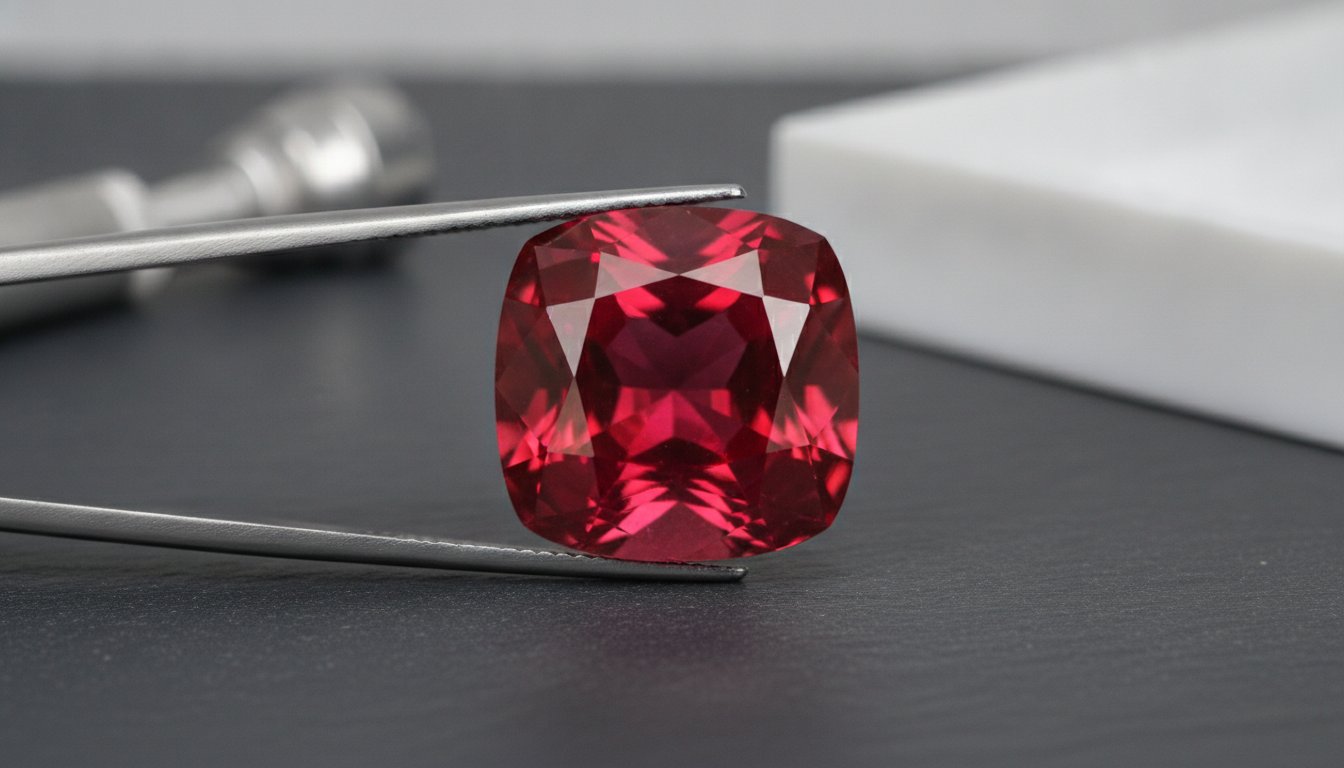
The legendary mines of Burma once held an undisputed monopoly on the world's finest red stones, but the crown has officially shifted to East Africa. While traditionalists might cling to old labels, the most discerning collectors now recognize that the finest loose mozambique rubies offer a level of clarity and vibrant saturation that is rarely matched in the modern market. It's natural to feel hesitant when navigating such a high-value purchase. You want the security of an investment-grade stone without the fear of paying "Pigeon Blood" premiums for a gem that doesn't meet the technical standard. You also deserve absolute certainty regarding the ethical integrity of your stone's journey from the earth.
In this guide, I will help you master the gemological nuances that define a truly exceptional ruby. You will discover how the 2026 mining law in Mozambique, which introduced a 15% state ownership stake and new export restrictions, is reshaping global availability and value. We will break down the significant price divide between heated and unheated specimens and provide a clear checklist to evaluate color, cut, and clarity. By the end, you'll have the technical confidence to select a masterpiece that reflects both your taste and your values.
Key Takeaways
- Discover why the Montepuez deposit has redefined the luxury market by producing stones with superior clarity and larger carat weights than traditional Burmese sources.
- Learn to identify the "iron factor" and saturation levels that allow high-quality loose mozambique rubies to maintain their intense red hue in any lighting condition.
- Decode the "Pigeon Blood" standard used by major gemological labs to understand exactly which technical traits command the highest market premiums.
- Master the value differences between unheated and heat-treated stones to ensure you are making a secure, investment-grade purchase with full disclosure.
- Build a professional checklist for evaluating ethical sourcing and technical integrity, ensuring your collection reflects both beauty and radical transparency.
The Mozambique Revolution: Why These Rubies Redefined the Luxury Market
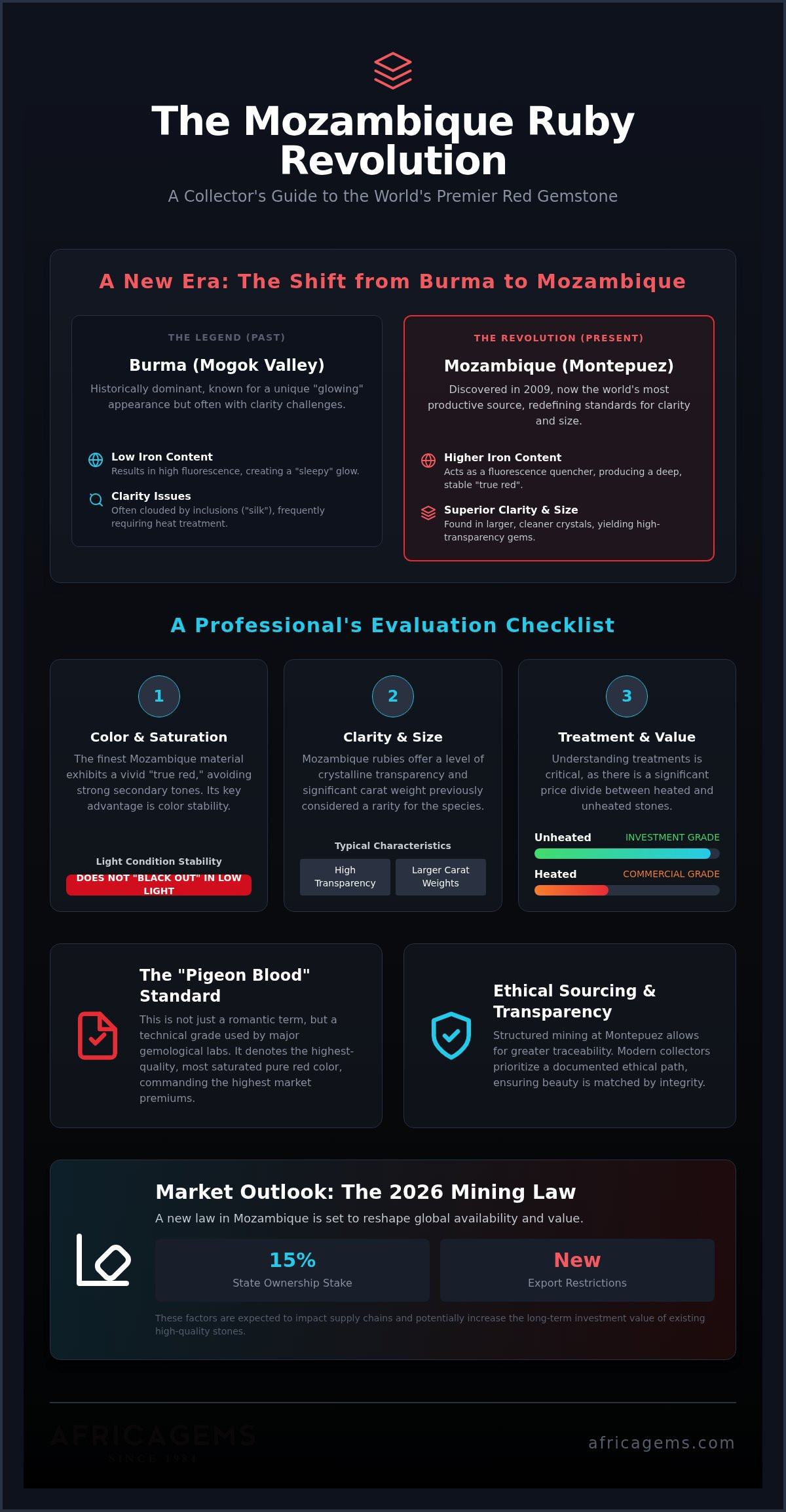
For over a century, the Mogok Valley in Burma was the only name that carried weight in the high-end ruby trade. That legendary monopoly ended abruptly in 2009. The discovery of the Montepuez deposit in northern Mozambique didn't just add another source to the global map; it fundamentally altered the expectations of the luxury gemstone market. While Burmese stones are historically famous for their "glow," they are often clouded by dense "silk" or heavy inclusions that necessitate heat treatment. In contrast, these loose mozambique rubies arrived with a level of crystalline transparency and significant carat weight that was previously considered a rarity for the species. The discovery in Montepuez provided the first consistent supply of high-transparency rubies in decades.
Today, Mozambique has cemented its status as the world's most productive source for gem-quality ruby, offering collectors a combination of size and clarity that was once nearly impossible to find. This shift from the "Mogok era" to the "Mozambique era" represents more than just a change in geography. It marks a transition toward gems that prioritize visual "pop" and brilliance, allowing for the creation of statement pieces that don't sacrifice transparency for color intensity.
The Montepuez Deposit and Ethical Sourcing
Comparing Mozambique vs. Burma Origins
The primary difference between these two prestigious origins lies in their chemical "DNA." Burmese rubies typically have very low iron content. This results in high fluorescence, giving them a glowing, "sleepy" appearance that many find romantic, though it often comes at the cost of clarity. Mozambique rubies possess a higher iron content. This chemical profile produces a different, often more "open" and vibrant red that remains stable even in low-light environments. Because they are typically found in larger, cleaner crystals, they are the preferred choice for modern custom jewelry design services. You get more "flash" and brilliance for your investment, making them ideal for those who demand technical perfection alongside raw beauty.
Evaluating Quality: Fluorescence, Hue, and the Iron Factor
The allure of a ruby is primarily defined by its color, but its ultimate value is dictated by the complex science beneath the surface. When evaluating loose mozambique rubies, the primary goal is to find a stone that exhibits a vivid, pure red hue. Unlike some origins that lean toward an overwhelming purple or orange secondary tone, the finest Mozambique material is celebrated for its "true red" profile. One of the most remarkable traits of these gems is their saturation. They don't "black out" in low-light environments. Instead, they maintain a consistent, velvety glow that remains visible even in evening settings, a characteristic that makes them highly desirable for high-end jewelry.
The Chemistry of Mozambique Red
The secret to this visual stability lies in the delicate balance of trace elements within the crystal lattice. While chromium provides the essential red color and the characteristic fluorescence, iron acts as a natural "fluorescence quencher." In Burmese rubies, extremely low iron levels lead to a neon, almost electric glow that can sometimes appear pinkish. However, Mozambique rubies offer a richer, more grounded red due to their unique geological formation. This higher iron content results in a deep, sophisticated red that feels substantial. Understanding these Ruby Quality Factors is essential for any collector who wants to distinguish between a stone that simply looks good and one that possesses investment-grade chemistry.
Clarity and Inclusions in Mozambique Material
In the world of colored gemstones, clarity is often a secondary concern to color, but the Montepuez deposit has changed that expectation for modern buyers. High transparency is a hallmark of the finest Mozambique material. While you will still find classic inclusion patterns such as delicate rutile needles, silk, or "fingerprints," the standard for top-tier loose mozambique rubies is typically eye-clean. This means the stone should appear flawless to the naked eye when viewed from a standard distance of about six to twelve inches.
When evaluating inclusions, it's vital to differentiate between those that add character and those that threaten the gem's integrity. Fine silk can sometimes soften the light, creating a pleasant visual texture known as a "velvety" appearance. However, surface-reaching fractures or large crystals near the girdle can impact the stone's long-term durability. My role as a curator is to ensure each stone in our collection passes a rigorous technical inspection before it ever reaches a client. If you're ready to see how these technical traits translate into visual beauty, you can explore our current selection of precious gemstones to find a stone that meets your specific criteria.
The "Pigeon Blood" Standard: Decoding Colour Grading
"Pigeon Blood" was once a term reserved exclusively for the finest stones from the Mogok Valley. Today, the world's most prestigious laboratories have expanded this designation to include exceptional loose mozambique rubies that meet rigorous technical criteria. It isn't just a marketing buzzword; it represents a specific, narrow color window. To earn this title, a stone must exhibit a vivid, high-saturation red with minimal secondary hues. While this designation carries a significant price premium, often increasing a stone's value by 40% or more, the label alone shouldn't be your only guide. A savvy collector looks for the visual "fire" within the stone first, using the certificate as technical validation rather than the sole reason for purchase.
Lab Grading for Mozambique Origin
GRS (GemResearch Swisslab) was a pioneer in applying the "Pigeon Blood" description to Mozambique material. They look for a specific intensity of red combined with strong fluorescence. In contrast, the GIA typically avoids the term, opting for "Vivid Red" to describe the same elite tier of quality. This difference in terminology can be confusing for those new to the trade. At AfricaGems, we prioritize radical transparency. We provide the technical data behind every stone so you understand exactly why a gem earned its grade. Origin certificates are vital for protecting your investment. They confirm the stone's birthplace and ensure its market value is based on documented science rather than a subjective marketing tag.
Secondary Hues: Pinkish-Red vs. Purplish-Red
Many loose mozambique rubies lean toward a vibrant pinkish-red, a hue that many modern collectors find more lively and "open" than the traditional purplish-red of other origins. This color profile is particularly striking in natural daylight. However, the perceived hue can shift significantly under different lighting conditions. Incandescent light may deepen the red, while fluorescent light can emphasize the pinker notes. Understanding these shifts is part of the joy of connoisseurship. If you're fascinated by how light interacts with these gems, you'll find similar complexity in The Magic of Star Sapphires and Rubies, which explores stones with even more complex optical phenomena. Whether you choose a "Vivid Red" or a "Pigeon Blood" stone, the goal is a red that resonates with your personal aesthetic.
Buying Guide: Treatments, Certification, and Value
Acquiring high-quality loose mozambique rubies requires a balance of aesthetic appreciation and technical scrutiny. In the current 2026 market, the most significant value driver is the presence or absence of heat treatment. While both varieties are stunning, unheated rubies command a massive premium, often seeing a 150% to 300% increase in price over their heated counterparts. This disparity exists because natural, untreated stones with vibrant color are geological miracles. When you evaluate a stone, you're essentially looking at the 4Cs of rubies. However, unlike diamonds, color is the undisputed king. Clarity follows closely, but a slightly included stone with a "Pigeon Blood" hue will almost always outvalue a flawless stone with a weak, pinkish tone.
Certification is your primary safeguard against the common pitfalls of the gemstone trade. You should never purchase a high-value loose ruby without an independent lab report from a respected authority like GIA or GRS. These documents don't just verify the stone's weight and dimensions; they provide a definitive statement on treatment and origin. A report that confirms "No indications of heating" is essentially a title deed to a rare asset. Without this technical validation, you're essentially guessing at the stone's true market integrity, which is a risk no serious collector should take.
Understanding Heat Treatment in Mozambique Rubies
Heat treatment is a standard and widely accepted industry practice that mimics the natural volcanic processes of the earth. "Heat only" stones are gems that have been gently warmed to improve their clarity by dissolving rutile silk or to enhance their existing red hue. This process doesn't add foreign substances to the stone, maintaining its chemical integrity. You must, however, be wary of "glass-filling" or flux healing. These treatments involve adding lead glass or chemicals to hide fractures, which drastically reduces the stone's value and durability. Unheated Mozambique rubies represent less than 1% of production, making them the ultimate collector’s prize.
Investment Potential and Market Trends
The financial outlook for Mozambique material has changed dramatically since the new mining laws were enacted in June 2026. With the government now mandating a 15% state ownership stake and restricting rough exports, the supply of top-tier material has tightened. This has caused prices to skyrocket, especially for unheated specimens that exceed three carats. Many experts still view these gems as undervalued when compared to the historical highs of Burmese stones. To understand the current market divide, you can review our Gemstone Blog for a deeper look at origin-based price comparisons. If you're ready to secure a stone that balances beauty with long-term asset security, you can browse our curated collection of loose mozambique rubies today.
Sourcing Loose Mozambique Rubies with AfricaGems
Choosing the right dealer is just as critical as selecting the stone itself. In an industry where elite labels are often used as generic marketing tags, AfricaGems stands apart through a legacy of radical transparency. Since 1984, our mission has been to provide collectors with more than just a certificate; we offer a personal consultation backed by over 40 years of expertise. I hand-select each of our loose mozambique rubies, ensuring that every gem meets a standard of excellence that goes far beyond basic lab grading. This commitment to full disclosure means you'll always know exactly what you're buying, from the stone's ethical origin in the Montepuez deposit to the precise details of any enhancements.
The security of your purchase is our highest priority. While massive online marketplaces often act as unvetted middlemen, AfricaGems operates as a premier boutique dealer with a global reputation. This means we possess the physical stones we sell and take full accountability for their integrity. My personal guarantee serves as a signature on every transaction, transforming a digital purchase into a secure, legacy-oriented investment. We believe that the natural beauty of a ruby should be matched by the integrity of the business that provides it.
The AfricaGems Curation Process
Our selection process is methodical and rigorous. While many dealers buy based on paperwork alone, we evaluate stones based on three pillars:
- Life: The internal brilliance and light return of the stone.
- Fire: How the ruby reacts to different lighting environments, ensuring it doesn't "black out" in the evening.
- Integrity: A clean crystalline structure that ensures long-term durability and value.
By maintaining a curated inventory, I can ensure that only the most exceptional specimens make the cut. You won't find thousands of mediocre stones here. Instead, you'll find a refined selection of precious gemstones that have been vetted for their investment potential and visual splendor.
Starting Your Custom Design Journey
Once you've selected your perfect specimen, our custom jewelry design services allow you to transform it into a wearable masterpiece. A world-class ruby deserves a setting that highlights its unique fire rather than overwhelming it. Whether you envision a classic solitaire or a complex halo, our design team works to ensure the mounting provides maximum light exposure to the stone. Many of our clients choose to set their loose mozambique rubies into bespoke gemstone rings that serve as heirlooms for generations. We guide you through every step, from metal selection to final polish, ensuring the technical integrity of the piece matches the rarity of the gem. If you're ready to begin, I invite you to browse our current selection of Loose Mozambique Rubies and discover the AfricaGems difference for yourself.
Securing Your Investment in the Modern Ruby Era
The shift from traditional Burmese dominance to the contemporary Mozambique era has provided collectors with a rare opportunity to acquire stones of exceptional size and crystalline clarity. By understanding the chemical interplay of chromium and iron, you can now identify gems that maintain their vivid saturation in any lighting environment. This technical knowledge, paired with a focus on ethical sourcing from the Montepuez mines, ensures that your collection holds both aesthetic and moral value. Selecting high-quality loose mozambique rubies isn't a matter of guesswork; it's a process of informed selection based on radical transparency and documented integrity.
Every stone in our inventory is a testament to this commitment. With my personal guarantee and a legacy of trust spanning since 1984, you can invest with absolute security. I invite you to Explore the Marc Sarosi Collection of Loose Mozambique Rubies to find a gem that resonates with your personal legacy. We provide a Full Treatment Disclosure Guarantee on every hand-selected piece, ensuring your journey into the world of fine rubies is as brilliant as the stones themselves. Your search for the perfect red ends with a stone that's as enduring as it is beautiful.
Frequently Asked Questions
Are Mozambique rubies real rubies?
Yes, Mozambique rubies are natural gemstones composed of the mineral corundum, just like those from Burma or Thailand. Their vibrant red color is derived from trace amounts of chromium within the crystal structure. These stones are chemically, physically, and optically identical to rubies from any other prestigious origin. When you purchase loose mozambique rubies, you are acquiring a genuine, earth-mined precious gem that meets the highest standards of the jewelry industry.
Is a Mozambique ruby better than a Burma ruby?
"Better" is a subjective term in the gem trade, but Mozambique rubies often surpass Burmese stones in clarity and available carat weight. While Burmese rubies are famous for their high fluorescence and "sleepy" glow, they are frequently more included. Mozambique material typically provides a more transparent, "open" red that appeals to modern collectors. Many investors now prefer these stones because they offer a superior balance of visual brilliance and crystalline purity at a more accessible price point.
What does "unheated" mean for a Mozambique ruby?
An unheated ruby is a stone that has reached its final color and clarity naturally within the earth without any human intervention or thermal enhancement. These gems are exceptionally rare, representing less than 1% of total production. Because they haven't been heated to dissolve silk or improve hue, they command a significant price premium. For a serious collector, an unheated stone is the ultimate prize, offering a pure, untouched connection to the natural world.
How can I tell if my Mozambique ruby is "Pigeon Blood"?
The most reliable way to confirm a "Pigeon Blood" grade is through a report from a top-tier lab like GRS or SSEF. This specific designation refers to a vivid, high-saturation red with minimal secondary tones. Visually, these stones exhibit a deep, glowing red that doesn't darken in low light. It's vital to rely on technical validation rather than marketing claims, as the "Pigeon Blood" label can increase a stone's market value by 40%.
Why are Mozambique rubies so popular for engagement rings?
loose mozambique rubies are exceptionally popular for engagement rings because of their incredible durability and consistent color. With a hardness of 9 on the Mohs scale, they're second only to diamonds, making them suitable for daily wear. Their high transparency also allows for modern, brilliant cuts that offer the "sparkle" many couples desire. Choosing a ruby provides a unique, romantic alternative to traditional diamonds while maintaining the technical integrity required for a lifelong piece of jewelry.
Are Mozambique rubies ethically sourced?
What is the price per carat for a high-quality Mozambique ruby in 2026?
Market values for these gems have shifted significantly following the new mining legislation enacted in June 2026. Fine, unheated specimens currently see a price premium of 150% to 300% over heated stones due to their scarcity. Factors such as "Pigeon Blood" certification from a top lab can further increase a stone's value by approximately 40%. Because supply is tightening under new export restrictions, many collectors now view high-quality rubies as a stable, hard-asset investment.
Do Mozambique rubies need special care or cleaning?
Rubies are remarkably resilient and don't require overly complex care, but regular cleaning maintains their brilliance. You can safely clean your stone using warm water, a mild dish soap, and a soft-bristled brush to remove oils and debris. While they are hard enough for ultrasonic cleaners, I generally recommend manual cleaning for unheated stones to preserve their natural state. Always store your ruby jewelry separately from other pieces to prevent it from scratching softer gemstones.

Article by
Marc Sarosi
Professional gemstone dealer for more than 40 years. Started off mining Aquamarine in Zambia, Africa and travelled throughout the continent in search of fine gems. Trusted authority on fine gemstones and have donated a fine collection of more than 27 extraordinary gemstones to the Smithsonian Institute Gem Hall for generations to see.