
Imperial Topaz Value: The Connoisseur’s Guide to Quality, Rarity, and 2026 Market Trends
Jul 23rd 2026
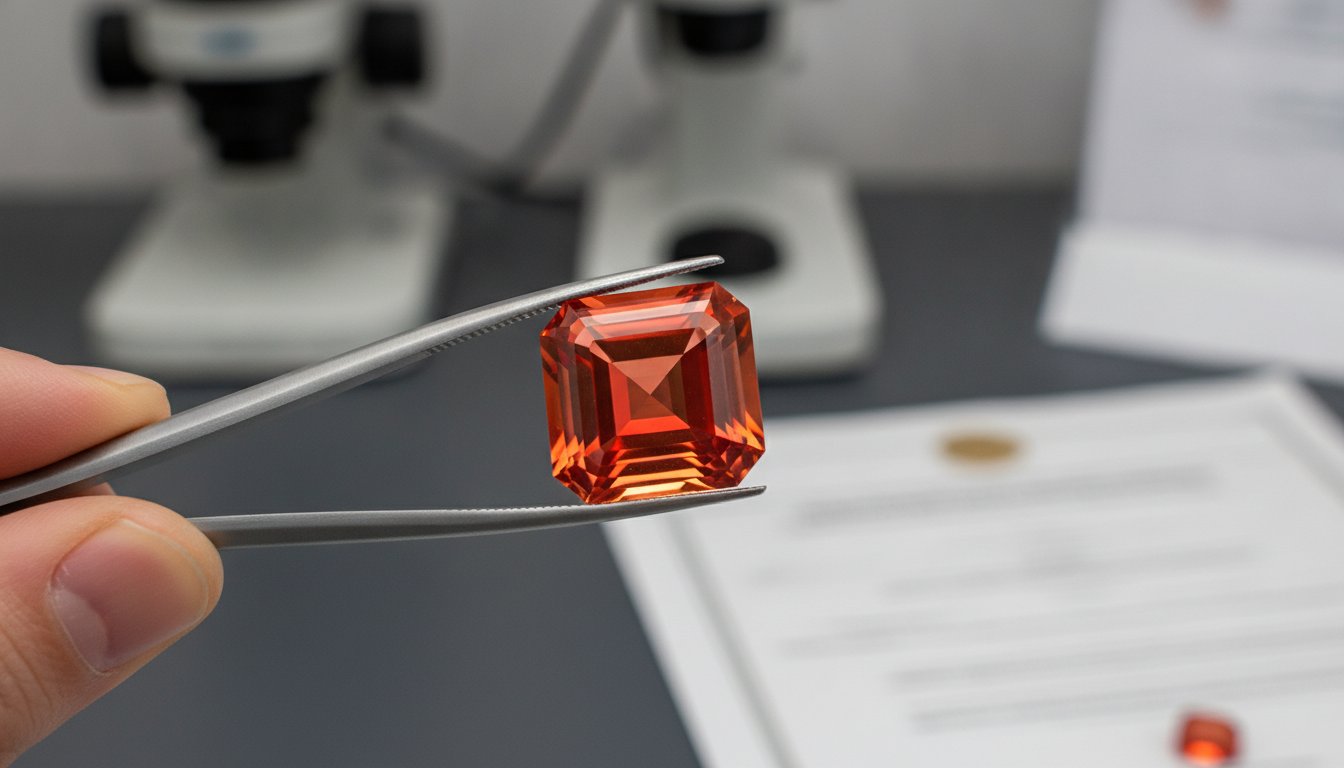
Most collectors believe the name "Imperial" is just a marketing label, yet for the true connoisseur, it represents a geological miracle confined to a single mining district in Brazil. It's frustrating to search for a legacy stone only to be met with treated "precious" topaz or confusing jargon that obscures the true imperial topaz value. You deserve to know exactly what makes a specimen investment-grade, especially when the rarest untreated pinks and "red factor" stones are becoming increasingly scarce as we move through 2026.
This guide will give you the technical clarity needed to invest with absolute confidence. You'll learn to decode the color hierarchy that drives market prices and understand why a GIA or AGL report is your most vital tool. We'll examine the current scarcity of Ouro Preto material and provide a clear roadmap for selecting a loose stone that will serve as a breathtaking centerpiece for your next custom jewelry project.
Key Takeaways
- Distinguish between true Imperial Topaz and common "precious" varieties to avoid costly market confusion and ensure a sound investment.
- Understand the specific color hierarchy, focusing on the rare "Red Factor" and chromium-driven saturation that dictates imperial topaz value.
- Identify the 2026 market shift where pink and red specimens from Ouro Preto are significantly outperforming traditional orange hues.
- Learn how to interpret GIA and AGL reports to verify natural origin and identify subtle heat treatments that impact long-term rarity.
- Gain the professional insight needed to source museum-grade loose stones for custom jewelry while prioritizing ethical sourcing and radical transparency.
What is Imperial Topaz? Defining the Value of a Legend
Understanding What is Imperial Topaz starts with recognizing it as the most prestigious variety of the topaz species. Unlike the common blue or colorless varieties found in abundance, Imperial Topaz is a rare geological occurrence that requires specific chemical conditions to form. The primary driver of imperial topaz value is its distinct, warm color palette. These stones range from golden peach to the legendary deep reds that collectors prize above all else.
To better understand this concept and see the stone's unique fire, watch this helpful video:
Imperial vs. Precious Topaz: The Critical Differences
In the trade, the term "Precious Topaz" is often used as a broad category for yellow, orange, and brown stones. However, true Imperial status is a much tighter classification. While all Imperial specimens are considered precious gemstones, the reverse isn't true. The presence of chromium is the defining factor here. It's this trace element that creates the "red factor" and the intense saturation that serious collectors demand. Common yellow topaz lacks this chemical complexity. It doesn't hold the same market weight or historical significance as a genuine Imperial stone.
The Ouro Preto Origin: Why Geography Drives Price
The hills of Ouro Preto in Minas Gerais, Brazil, remain the world's only significant source for high-quality Imperial Topaz. This geographic exclusivity creates a natural bottleneck in the global supply. As we move through 2026, the output from these historic mines has become increasingly sporadic. Finding unheated, museum-grade pink or red specimens is now a significant challenge for even the most connected dealers. This scarcity is a major component of modern imperial topaz value.
When you're assessing a potential acquisition, the Brazilian origin isn't just a minor detail; it's a guarantee of the stone's geological pedigree. We always recommend checking an AGL or GIA report to verify this origin. These documents confirm that the stone hails from the Ouro Preto district, which is essential for ensuring the long-term appreciation of your investment. The 2026 market shows a clear premium for stones with documented provenance, especially as unheated material becomes the exception rather than the rule.
The 4Cs of Imperial Topaz: How Color and Clarity Command Premiums
Evaluating imperial topaz value requires a departure from the standard diamond grading mindset. While the 4Cs still apply, the interplay between color, pleochroism, and carat weight is far more complex in these Brazilian treasures. A stone's worth isn't just about its size; it's about the chromatic depth and the rarity of its specific hue. As we analyze the market in 2026, the premiums for top-tier specimens have reached new heights, driven by a global appreciation for untreated, high-saturation gems.
The Color Hierarchy: From Sherry to Red
Color is the undisputed king of valuation. At the entry-level, you'll find "Sherry" topaz, which exhibits sophisticated yellow-orange to brownish-orange tones. These are beautiful stones that provide an accessible path into the world of defining Imperial Topaz, but they don't command the astronomical prices of their pinker cousins. The market places a massive premium on the "red factor." Specimens featuring "Pigeon Blood" red or intense pink hues can cost 5 to 10 times more than a standard orange stone of the same size. This value gap is due to the presence of chromium, the same element that gives rubies their fire.
A fascinating aspect of this gem is its pleochroism. This optical phenomenon means the stone displays different colors when viewed from different angles. A master cutter will orient the crystal to ensure the most valuable color, usually the red or pink flash, is visible through the table. When you rotate a high-quality stone, you should see a vibrant dance of shifting hues. This characteristic is a hallmark of genuine material and a significant factor in its desirability.
Clarity and the "Eye-Clean" Standard
While emeralds are often accepted with visible inclusions, Imperial Topaz is held to a higher standard. It's classified as a Type II gemstone, meaning it typically forms with some internal characteristics, but the market expects investment-grade stones to be "eye-clean." This means that no inclusions should be visible to the naked eye when the stone is held about six inches away. Because topaz is naturally more transparent than many other colored stones, internal flaws like "silk" or veils can severely disrupt the light performance and lower the imperial topaz value.
Carat weight also plays a dramatic role in pricing. While golden-orange stones are occasionally found in larger sizes, fine pink and red Imperial Topaz stones above 5 carats are exceptionally scarce. Once a red specimen crosses the 10-carat threshold, it enters the realm of museum-grade rarities. If you're looking to secure a stone with this level of exclusivity, you can explore our curated selection of precious gemstones to find a specimen that meets these rigorous connoisseur standards.
Imperial Topaz Price Per Carat: 2026 Market Analysis
The landscape for imperial topaz value has shifted significantly as we progress through 2026. While the market for commercial-grade golden stones remains stable, investment-grade specimens are experiencing a sharp upward trajectory. This growth is largely fueled by a sophisticated base of collectors in the US and Asia who recognize the extreme geographic rarity of Ouro Preto material. Today's connoisseurs are moving away from common "precious" varieties in favor of stones that possess the chromium-driven "red factor" and documented unheated status.
Pricing Tiers by Color and Saturation
The price per carat for Imperial Topaz is not a linear scale; it's a series of dramatic jumps based on color saturation and rarity. Peach and golden-orange stones serve as the traditional entry point for collectors. However, once you move into the vibrant pinks and the legendary "Pigeon Blood" reds, the value multiples increase exponentially. A fine red specimen can command a price per carat that is five to ten times higher than a standard orange stone of comparable clarity.
Carat weight also triggers significant "price jumps" at the 5-carat and 10-carat marks. Because the crystal structure of Imperial Topaz often grows in long, thin needles, finding a wide, deep stone that can be faceted into a substantial carat weight is rare. A 10-carat pink stone is not just five times more valuable than a 2-carat stone; it's a completely different class of asset. To see how these factors influence current market availability, you can browse our latest selection of precious gemstones and compare the saturation levels of our loose inventory.
Investment Potential: Scarcity and Demand
Many industry insiders view Imperial Topaz as a "sleeping giant" in the world of gemstone investing. When you compare its rarity to more widely known gems like Blue Sapphire or Ruby, the value proposition becomes clear. While high-end Rubies are certainly rare, they are found in multiple global locations. High-quality Imperial Topaz is essentially a single-source gem. This geological exclusivity provides a level of supply-side protection that few other stones can match.
For those looking to build a 2026 portfolio, there are specific categories of stones that show the most promise for long-term ROI. We recommend focusing on three key areas:
- Unheated Red Specimens: These are the pinnacle of the species and the most sought after by museum-grade collectors.
- Vibrant Pink Stones over 5 Carats: These are becoming increasingly difficult to source as the Ouro Preto mines age.
- Master-Cut Bi-Color Stones: Specimens that showcase extreme pleochroism through expert faceting are gaining traction as "wearable art."
The demand for unheated, certified material continues to outpace supply. As more investors seek hard assets with intrinsic beauty and radical transparency in sourcing, the imperial topaz value is expected to remain robust. Securing a stone with a clear AGL or GIA certificate today is a prudent move for any serious enthusiast.

Authentication and Lab Reports: Ensuring Your Topaz is Genuine
Securing your investment requires more than just a keen eye; it demands objective, third-party validation. When the stakes involve high-end specimens, understanding how to read a laboratory report is the most critical skill a collector can possess. For any stone valued over $2,000, a GIA or AGL report is non-negotiable. These documents serve as the definitive record of a stone's pedigree and are the only way to protect the long-term imperial topaz value of your acquisition.
Decoding the Lab Report: GIA vs. AGL
While the GIA is the global gold standard for diamonds, many Imperial Topaz collectors prefer the AGL (American Gemological Laboratories) Prestige Report. The AGL provides a more nuanced analysis of color saturation and tone, which is vital for stones where the "red factor" determines the price. You must verify four specific fields: Species (Topaz), Variety (Imperial), Origin (Brazil), and Enhancements. Be wary of "in-house" certificates provided by a dealer without independent oversight. These lack the legal and professional accountability required for high-value transactions.
Identifying Treatments and Enhancements
The most common treatment for this species is heating, often referred to in the trade as "pinking." This process removes yellowish color centers to enhance or create a pink hue. While commercially accepted, it must be disclosed. A naturally occurring, unheated pink or red stone is a geological rarity that carries a 30% to 50% value premium over its heated counterparts. Irradiation, though standard for creating blue topaz, is seldom seen in Imperial varieties; its presence usually indicates a non-Imperial origin. Always look for the phrase "No indications of heating" or "Natural Color" in the comments section.
You should also be vigilant against "Coated" or "Mystic" Topaz. These are low-value colorless stones with a thin metallic film applied to the surface to mimic high-saturation colors. These coatings are not permanent and hold no investment value. If a stone's color looks too uniform or "oily," it's likely a treated imitation. True imperial topaz value lies in the depth and pleochroism of the natural crystal, not a surface-level enhancement.
To ensure you are purchasing a stone with full disclosure and recognized certification, we invite you to view our collection of AGL and GIA certified loose Imperial Topaz.
Sourcing Loose Imperial Topaz: The AfricaGems Advantage
Selecting a gemstone of this caliber requires more than a simple transaction; it demands a partnership with a dealer who understands the nuances of the Brazilian landscape. Marc Sarosi has spent over 40 years cultivating direct relationships with the world's premier mining regions, ensuring that every stone in our collection meets a standard of excellence rarely seen in the digital market. When you evaluate imperial topaz value through our lens, you aren't just looking at a price per carat. You're benefiting from a legacy of expertise that began in 1984 and continues today through a personal guarantee of quality and radical transparency regarding gemstone treatments.
Our curated selection of loose Imperial Topaz represents the pinnacle of what the Ouro Preto district currently offers. Once you've secured a museum-grade specimen, our custom jewelry design services provide the opportunity to transform that investment into a wearable masterpiece. This bespoke process ensures that the unique pleochroism and "red factor" of your stone are showcased in a setting that respects its geological rarity and historical significance.
Why Ethical Sourcing Matters for Value
In the 2026 collector market, a stone's story and provenance have become essential components of its worth. Ethical mining practices aren't just a pillar of social responsibility; they're a safeguard for the long-term integrity of the gemstone. We strictly vet our suppliers to ensure conflict-free origins and environmentally conscious extraction methods. This commitment to transparent sourcing ensures that your imperial topaz value remains untarnished by the ethical ambiguities that can plague the broader trade. A stone with a clean, documented history is always more desirable to the sophisticated investor than one with an opaque past.
Your Next Steps: Building a Collection
For those just beginning to explore the world of Brazilian rarities, we often suggest starting with a high-saturation Sherry Topaz. These stones offer a sophisticated entry point into the species before you graduate to the more elusive Pink or "Pigeon Blood" Red specimens. If you're looking for more technical insights or historical context, the AfricaGems Blog features extensive deep dives into the science and lore of rare materials.
The journey of a true connoisseur is one of constant education and refined taste. When you're ready to make a definitive addition to your portfolio or find the perfect centerpiece for a custom design, we invite you to browse our certified Imperial Topaz inventory. Every stone we offer is backed by the personal accountability of Marc Sarosi, providing you with the security and confidence required for high-value gemstone acquisitions.
Securing Your Legacy in Brazilian Fire
The 2026 market underscores a clear reality: the window for acquiring untreated, high-saturation specimens from Ouro Preto is narrowing. By prioritizing the "red factor" and insisting on rigorous third-party validation, you protect the long-term imperial topaz value of your collection. True connoisseurship relies on the intersection of geological rarity and radical transparency in sourcing, ensuring that every acquisition remains a stable and breathtaking asset.
At AfricaGems, we've spent over 40 years championing the integrity of the industry. Every investment-grade gem we offer includes free GIA or AGL reports, ensuring your peace of mind is as clear as the stone itself. Founder Marc Sarosi provides a personal guarantee on every specimen, transforming a digital acquisition into a trusted, professional consultation. This commitment to disclosure is the cornerstone of our legacy and your security.
Take the next step in your collecting journey by choosing a stone that reflects both natural beauty and ethical excellence. We invite you to View Our Hand-Selected Loose Imperial Topaz Collection and secure a piece of geological history today.
Frequently Asked Questions
Is Imperial Topaz more valuable than Blue Topaz?
Imperial Topaz is exponentially more valuable than blue topaz due to its extreme rarity and natural color. While blue topaz is abundant and almost always the result of irradiation and heating, Imperial specimens are found in only one significant location worldwide. This geographic exclusivity means a high-quality Imperial stone can cost hundreds of times more per carat than even the finest Swiss or London Blue varieties.
How can I tell if my Imperial Topaz is real or synthetic?
Identifying a genuine stone requires professional laboratory certification like a GIA or AGL report. While synthetic topaz isn't common in the commercial market, imitations like "Mystic Topaz" or coated colorless stones are frequent. These fakes often show an oily surface sheen or uniform color that lacks the natural pleochroism found in authentic Brazilian material. Always insist on third-party verification to protect your investment.
Does heat treatment affect the value of Imperial Topaz?
Heat treatment significantly impacts the market price, particularly for pink specimens. While "pinking" through heat is a standard trade practice to remove yellow tones, unheated stones are geological miracles that carry a 30% to 50% value premium. Collectors prize natural, unheated color because it represents the stone's true state as it was pulled from the earth. Full disclosure of these treatments is essential for maintaining trust.
Why is Imperial Topaz so expensive compared to other varieties?
The high imperial topaz value stems from its extreme geographic scarcity and unique chemical composition. Unlike common topaz varieties found globally, Imperial stones require the presence of chromium and are primarily sourced from the Ouro Preto mines in Brazil. As these historic mines produce fewer high-quality crystals each year, the dwindling supply coupled with rising global demand naturally drives prices into the investment-grade bracket.
What is the best cut for an Imperial Topaz to show its color?
Elongated shapes such as ovals, pears, and emerald cuts are typically the best choice for this species. These styles follow the natural shape of the rough crystal, which often grows in long, slender prisms. A master cutter will use these orientations to maximize the stone's pleochroism, ensuring the rare red or pink "flash" is visible through the table. Custom faceting is often required to preserve as much carat weight as possible.
Can Imperial Topaz be used for an everyday engagement ring?
While topaz has a Mohs hardness of 8, its perfect cleavage makes it a delicate choice for an everyday engagement ring. A sharp blow can cause the stone to split along its internal planes. If you choose this gem for a ring, it's best to use a protective setting like a bezel or V-prongs. For most collectors, Imperial Topaz is better suited for pendants or earrings where the risk of impact is much lower.
Where is the best place to buy investment-grade Imperial Topaz online?
AfricaGems is the premier destination for sourcing high-quality, ethically mined specimens online. With over 40 years of industry experience, Marc Sarosi provides a personal guarantee on every stone, ensuring radical transparency regarding treatments and origin. We specialize in AGL and GIA certified loose gems, providing the technical validation and security that serious collectors require for high-value transactions. Our reputation is built on decades of expert mentorship.
What color of Imperial Topaz is considered the most valuable in 2026?
The "Pigeon Blood" red and intense pink hues remain the pinnacle of imperial topaz value as we move through 2026. While golden-orange and sherry tones are classic and highly desirable, any stone featuring the rare "red factor" commands a significant premium. These colors are the result of specific chromium concentrations that are becoming increasingly difficult to find in larger carat weights, making them the most sought-after specimens for investment portfolios.

Article by
Marc Sarosi
Professional gemstone dealer for more than 40 years. Started off mining Aquamarine in Zambia, Africa and travelled throughout the continent in search of fine gems. Trusted authority on fine gemstones and have donated a fine collection of more than 27 extraordinary gemstones to the Smithsonian Institute Gem Hall for generations to see.