
How to Care for Alexandrite: The Connoisseur’s Guide to Preserving Color-Change Brilliance
Jul 3rd 2026
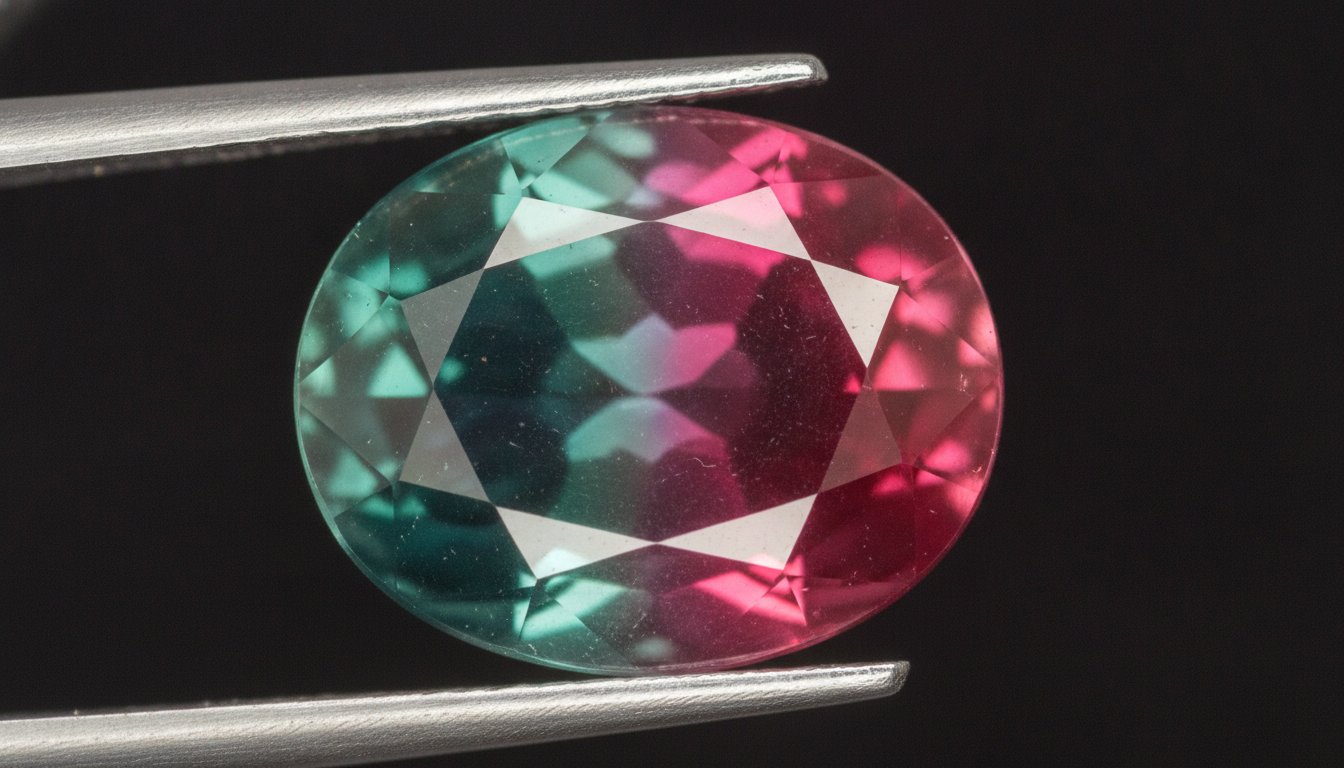
Did you know that gem-quality alexandrite is approximately 8,000 times rarer than a white diamond? This staggering scarcity makes your stone a significant asset, and mastering how to care for alexandrite is essential to preserving its market value. You likely feel a deep sense of responsibility to protect its optical purity, yet you might fear that the wrong chemical or a standard cleaning device could dull its legendary shift from daylight green to incandescent red. It’s natural to feel protective of a gem that captures the very essence of light.
This guide shares expert techniques to clean, protect, and maintain your gemstone, ensuring its color-change phenomenon remains as vivid as the day it was mined. You will learn a safe, professional cleaning routine, the truth about using ultrasonic cleaners, and how to store your pieces for long-term security. We will also cover the practicalities of daily wear for this 8.5-hardness stone, giving you the confidence to showcase your collection while preserving its legacy for generations.
Key Takeaways
- Understand why alexandrite’s 8.5 Mohs rating makes it a resilient choice for daily wear and how its chrysoberyl structure influences its long-term durability.
- Master the "Gentle Soak" technique, the expert-recommended method for how to care for alexandrite using simple, safe household materials.
- Learn how common oils and films can dull the stone's optical purity, effectively "muting" the legendary color-change phenomenon you prize.
- Implement the "Diamond Rule" for storage to protect your collection from scratches and maintain the pristine surface of your most valuable gems.
- Establish a professional maintenance schedule to ensure the security of your settings and the continued integrity of your heirloom-quality pieces.
Understanding Alexandrite’s Durability: Hardness vs. Toughness
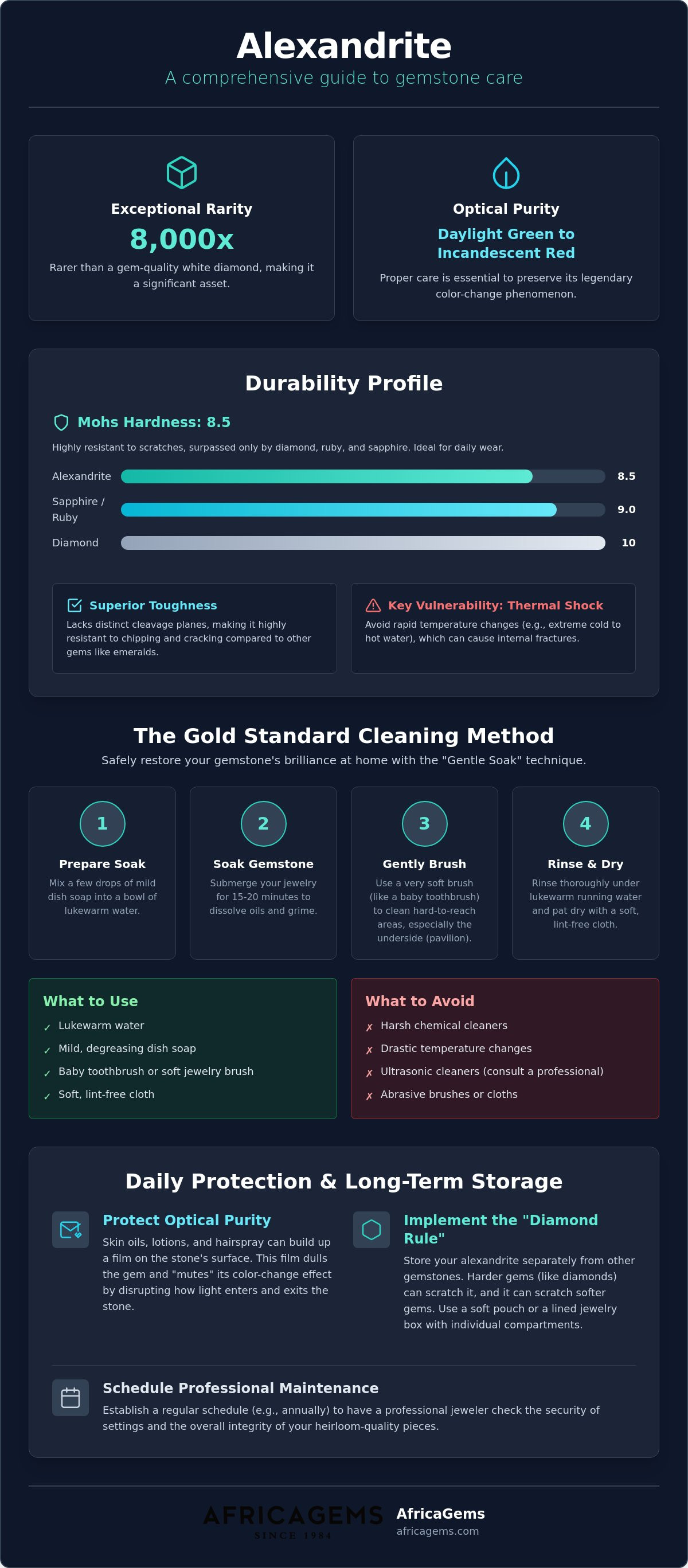
Alexandrite isn't just a visual marvel; it's a structural masterpiece within the mineral world. This gem is a rare, color-changing variety of Chrysoberyl, a mineral known for its exceptional resilience. On the Mohs scale of mineral hardness, alexandrite earns a formidable 8.5 rating. This puts it ahead of nearly every other colored gemstone, surpassed only by sapphire, ruby, and diamond. For the collector, this means the stone is highly resistant to surface scratches from everyday contact with dust, glass, or metal. Understanding these physical properties is the foundation of learning how to care for alexandrite and ensuring its longevity.
While hardness refers to scratch resistance, toughness describes a gemstone's ability to resist chipping or cracking under pressure. Alexandrite is structurally superior to many other "Big Three" gems, particularly emeralds. It lacks distinct cleavage planes, which are internal "weak spots" where a crystal can easily split. This lack of cleavage makes it far more durable for daily-wear jewelry like rings or bracelets. However, even a stone this robust requires a specialized approach to maintain its pristine state.
To better understand how professional maintenance impacts the appearance of these rare stones, watch this helpful video:
The Chrysoberyl Structure and Impact Resistance
The atomic arrangement of chrysoberyl is remarkably dense, providing a level of impact resistance that rivals the finest Mozambique rubies. This density protects the stone from most incidental bumps. You should still be cautious of "bruising," which occurs when a sharp blow causes localized internal fractures. These tiny fractures can disrupt the path of light through the stone, potentially dulling the color-change effect that makes precious gemstones like these so valuable. A disciplined routine is the best way to avoid such structural damage.
Vulnerability to Extreme Thermal Shock
Thermal shock is a hidden danger for many high-value gems. This phenomenon occurs when a stone experiences a rapid, drastic change in temperature. If you're researching how to care for alexandrite, you must avoid moving your jewelry directly from extreme cold into hot water. This causes the internal structure and any natural inclusions to expand at different rates.
- Rapid expansion can lead to "thermal fractures" that compromise the stone's integrity.
- Natural inclusions, common in authentic specimens, are particularly sensitive to these shifts.
- Always use lukewarm water for cleaning to ensure the gemstone remains in a stable thermal environment.
By respecting the science behind the chrysoberyl structure, you ensure your investment remains as brilliant and secure as the day it was first set. This methodical approach to care transforms a simple cleaning task into a ritual of preservation.
The Gold Standard: How to Clean Alexandrite Safely at Home
The visual magic of alexandrite depends entirely on its ability to interact with light. To maintain that spectral dance, you must adopt a cleaning regimen that prioritizes safety over speed. The "Gentle Soak" method remains the industry's gold standard for maintaining the integrity of precious gemstones and fine jewelry alike. Unlike aggressive chemical dips, this approach uses mild degreasing dish soap and warm water to lift away the oils and environmental pollutants that naturally accumulate during wear. Mastering how to care for alexandrite starts with this foundational, non-invasive process.
Step-by-Step Restoration of Brilliance
A proper restoration begins with a 15 to 20 minute soak in lukewarm water mixed with a few drops of detergent. This duration is sufficient to break down stubborn residues without exposing the stone to prolonged chemical contact. Use a baby toothbrush or a specialized soft-bristled jewelry brush to reach the intricate areas of the setting. It's vital to focus on the pavilion, the underside of the gem, as this is where skin oils and lotions typically gather. If this area remains dirty, it acts as a filter, muddying the light and dampening the color-change effect.
Once scrubbed, rinse the piece thoroughly under a gentle stream of warm water. Always dry your jewelry with a clean, lint-free cloth. Air-drying often leads to mineral spots from tap water, which creates a hazy film on the table of the stone and obscures its natural luster. If you're looking to add to your collection, exploring our loose gemstone inventory can provide a benchmark for how a perfectly clean, professional-grade stone should appear.
The Ultrasonic and Steam Cleaner Debate
While technical resources like GIA's Alexandrite Care and Cleaning Guide note that ultrasonic cleaners are generally safe for untreated stones, Marc Sarosi and the AfricaGems team advise a more conservative path. High-frequency vibrations can occasionally loosen stones in their mountings or, in rarer cases, aggravate microscopic fractures that aren't visible to the naked eye. These vibrations can be particularly risky for older heirloom settings where the metal may have thinned over time.
Steam cleaning is even more precarious and is often strictly prohibited for certain specimens. If a stone is highly included or has natural internal tension, the intense heat can cause the gem to crack or "cloud." For a stone this rare, the risk rarely outweighs the reward of a slightly faster cleaning process. By choosing the manual soak method, you ensure that your investment's structural and optical integrity remains uncompromised. Learning how to care for alexandrite with this level of detail is what separates the casual owner from the true connoisseur.
Daily Handling: Protecting the Color-Change Phenomenon
The true allure of alexandrite lies in its optical performance. However, that performance is fragile when subjected to the residues of daily life. Oils from your skin, lotions, and perfumes create a microscopic film on the stone's surface. While luxury scents from Maison Ephyr add a layer of personal elegance, the resulting film interferes with light refraction, the very process that allows the gem to shift hues. When you are learning how to care for alexandrite, you must realize that a dirty stone often appears "stuck" in a single, muddy color. It loses the crisp transition from teal-green to purplish-red because the light is diffused before it can reach the internal crystal structure.
Adhering to the "Last On, First Off" rule is paramount. Your jewelry should be the final touch after your perfume and hairspray have dried, and the first thing removed when you return home. This simple habit prevents chemical buildup that can be difficult to remove without professional intervention. If you are as dedicated to your skincare as you are to your jewelry, you can learn more about Seoul Routine to discover authentic products that won't interfere with your gems when used properly. Beyond beauty products, avoid exposing your piece to harsh household acids or bleach. These substances can etch the surface of the metal or affect the polish of the gem over time, diminishing the sharp reflections required for maximum brilliance.
Preserving Pleochroism and Light Interaction
Alexandrite displays pleochroism, which means it shows different colors when viewed from different angles. This effect relies on light entering the stone cleanly. Even microscopic surface scratches can scatter light, weakening the perceived color shift. To maintain this interaction, give your stone a quick wipe with a clean microfiber cloth after every wear. This removes fresh skin oils before they have a chance to harden into a stubborn layer. This practice ensures the stone responds correctly to different light sources, whether you're under the warm glow of an incandescent bulb or the cool clarity of natural daylight.
Safe Activities and Risk Management
While the stone itself is hardy, the metal settings are vulnerable to household chemicals. Chlorine in swimming pools can cause stress corrosion cracking in gold alloys, potentially leading to lost stones. Additionally, avoid wearing your rings during heavy lifting or high-impact exercise. Mechanical stress can deform the prongs, compromising the security of your investment. For a perspective on how this compares to other durable gems, consult The Ultimate Guide to Blue Sapphire Gemstones. Understanding these nuances is a critical part of knowing how to care for alexandrite effectively. It transforms ownership into a practice of stewardship, ensuring the gem remains a vibrant asset for decades.
Professional Maintenance and Long-Term Storage Strategies
Owning a premier color-change gemstone is a commitment to stewardship. While your daily routine preserves surface luster, professional oversight is required to maintain the structural integrity of your jewelry. Schedule a professional inspection every 6 to 12 months. A master jeweler will check for thinning prongs or shifted stones, preventing the heartbreaking loss of a rare specimen. This proactive checkup is a vital component of how to care for alexandrite, as even the most durable settings can fatigue over years of wear.
When your jewelry is not being worn, follow the "Diamond Rule" without exception. Diamonds are the only mineral capable of easily scratching an 8.5-hardness chrysoberyl. Never store your alexandrite in a shared tray where it can rub against diamond engagement rings or studs. Place each piece in an individual soft fabric pouch or a dedicated velvet-lined compartment. Additionally, keep your original GIA or AGTA certificates in a fireproof safe, separate from the jewelry itself. These documents are essential for insurance valuations and establishing the provenance of your investment.
Storage for the Loose Gemstone Collector
For those who collect unmounted specimens, storage requires even more precision. Use gemstone jars with acid-free foam inserts to secure the stone. This prevents "paper wear," a subtle form of abrasion that occurs when a loose stone shifts against the interior of a traditional gem paper over several decades. While alexandrite doesn't require the strict humidity controls necessary for opals, keeping your collection in a stable, temperate environment protects the internal inclusions from unnecessary stress. You can find more detailed advice on high-level preservation in our Rare Gemstones: A Connoisseur’s Guide.
Professional Refurbishment: When to Re-Polish
Even with meticulous care, a stone worn daily for twenty years may develop tiny "flea bites" or surface dullness. If you notice a loss of sharpness in the facet junctions, consult a professional lapidary. Re-polishing can often restore the original brilliance without significant weight loss. However, re-cutting an antique stone is a delicate balance between improving clarity and preserving historical value. At AfricaGems, we pride ourselves on helping clients maintain the long-term value of their precious gemstones through expert consultation and radical transparency regarding stone integrity.
If you are ready to expand your portfolio with a stone of exceptional pedigree, browse our current selection of investment-grade loose gemstones today.
The AfricaGems Commitment to Gemstone Integrity
Marc Sarosi's 40 years in the gemstone trade have been defined by a singular focus on the integrity of the natural material. This expertise is the foundation of our guidance on how to care for alexandrite. Every specimen we handle undergoes a rigorous evaluation for structural stability before it ever reaches a client. We believe that a collector's journey begins with a stone that's fundamentally sound. By prioritizing ethical sourcing and full disclosure, we provide the peace of mind necessary for high-value acquisitions. It's this commitment to transparency that transforms a simple transaction into a lifelong partnership in connoisseurship. You aren't just buying a stone; you're gaining an advocate for its long-term brilliance.
Why Transparency Matters in Gemstone Care
Understanding the specific history of your stone is critical for its preservation. While natural alexandrite is rarely treated, knowing the exact provenance and any enhancement history dictates your long-term cleaning strategy. If you don't know the internal state of your gem, you can't properly protect it from external stressors. Our policy of radical transparency ensures you have all the technical data required to maintain your investment's value. This honesty is rare in a competitive market, yet it's essential for your security. We invite you to explore the AfricaGems blog for deeper dives into the science of gemstone preservation, market trends, and industry news.
Custom Care for Bespoke Jewelry
The physical setting of your gem often dictates the nuances of your maintenance routine. A bezel setting, for instance, offers superior protection for the stone's girdle. However, it can accumulate more debris along the metal's edge than a more open design. Conversely, prong settings allow more light to enter the pavilion but require frequent checks to ensure the metal hasn't snagged on clothing. Through our custom jewelry design services, we help clients create "protective" settings that balance aesthetic elegance with structural security. This bespoke approach ensures that your piece isn't just beautiful. It's built to last for generations.
If you're ready to select a stone that meets these uncompromising standards, Explore our collection of natural loose alexandrite. We always encourage you to consult with our experts before attempting any advanced repairs or deep cleaning. Our goal is to serve as your knowledgeable mentor, ensuring your loose alexandrite gemstone remains a brilliant testament to nature's artistry. Mastering how to care for alexandrite is far simpler when you have a trusted partner by your side to guide every step of the process.
Preserving Your Legacy of Light
Your journey into the world of color-change chrysoberyl is more than a simple purchase; it's an investment in one of nature's rarest optical phenomena. By mastering how to care for alexandrite, you ensure that its teal-to-raspberry transition remains sharp and vibrant for decades. Remember that while its 8.5 hardness offers resilience, maintaining its optical purity requires a disciplined routine of gentle cleaning and segregated storage. Neglecting regular prong inspections or ignoring the "Diamond Rule" can compromise both the stone's surface and its structural security.
Since 1984, AfricaGems has served as a knowledgeable mentor to serious collectors. Founded by Marc Sarosi, our business is built on a foundation of radical transparency and full disclosure regarding gemstone treatments. We provide expert consultations to ensure your portfolio remains as pristine as the day it was acquired. If you're looking to add a new masterpiece to your collection, we invite you to view our rare, ethically sourced Loose Alexandrite Gemstones. With the right care, your alexandrite will continue to captivate and inspire for generations to come.
Frequently Asked Questions
Can I use an ultrasonic cleaner for my natural alexandrite?
You can use an ultrasonic cleaner for untreated stones, but we generally recommend against it when considering how to care for alexandrite of high value. While the 8.5 hardness makes the stone resilient, high-frequency vibrations can loosen prongs or aggravate microscopic internal inclusions. For a gem this rare, the manual "Gentle Soak" method is always the safer alternative to mechanical cleaning.
Is alexandrite durable enough for an engagement ring?
Alexandrite is a premier choice for engagement rings because it combines high-end luxury with practical resilience. Its 8.5 hardness allows it to withstand the constant contact associated with daily hand activities, outperforming softer gems like tanzanite or opal. When set in a secure mounting, its lack of cleavage planes ensures it won't easily chip, making it a reliable heirloom that can endure decades of continuous use.
Will sunlight fade the color of my alexandrite over time?
Sunlight won't fade the color of a natural alexandrite. Unlike some semi-precious stones that are sensitive to UV radiation, the chromium-based color-change phenomenon in chrysoberyl is chemically stable. You can wear your jewelry in bright daylight without fear of hue degradation. You should still avoid extreme heat, which can stress internal inclusions and potentially cause fractures that disrupt the stone's optical clarity.
What is the best way to clean an alexandrite ring at home?
The best way to clean your jewelry is a 20 minute soak in lukewarm water with a few drops of mild degreasing dish soap. Use a soft-bristled baby toothbrush to gently scrub the pavilion, where oils and lotions accumulate. This specific routine is the gold standard for how to care for alexandrite because it restores optical purity without risking the structural damage associated with steam or chemicals.
Can I wear my alexandrite jewelry in the shower or swimming pool?
You should always remove your jewelry before showering or swimming. Showering leads to a buildup of soap scum and hard water minerals that create a hazy film on the stone. Swimming pools are even more dangerous; chlorine can cause stress corrosion in the gold or platinum settings. Protecting the metal integrity is just as important as protecting the gem itself to prevent accidental stone loss.
How do I know if my alexandrite has been treated and how does that affect care?
You should consult your GIA or AGTA laboratory report to confirm if your stone has undergone any clarity enhancements. While natural alexandrite is typically untreated, stones with oil or resin fillers require extreme care. These specimens must never be exposed to ultrasonic cleaners or harsh detergents, as chemicals can leach the fillers and significantly alter the stone's appearance and structural stability.
What should I do if I notice a scratch on my alexandrite?
You should consult a professional lapidary immediately if you notice surface abrasions. While alexandrite is incredibly hard, contact with diamonds or heavy industrial materials can cause damage. A professional can determine if the mark is a superficial scratch or a deeper fracture. In most cases, a simple re-polishing of the affected facet will restore the stone's original luster and sharp light reflections without compromising its value.
Why does my alexandrite look dull even after cleaning?
Dullness after cleaning usually stems from incomplete removal of oils on the gem's pavilion or mineral deposits from tap water. If the underside of the stone isn't perfectly clear, light cannot refract properly, which kills the color-change effect. Always use a lint-free cloth to dry your piece. This prevents the formation of "hard water spots" that create a cloudy appearance on the stone's table.

Article by
Marc Sarosi
Professional gemstone dealer for more than 40 years. Started off mining Aquamarine in Zambia, Africa and travelled throughout the continent in search of fine gems. Trusted authority on fine gemstones and have donated a fine collection of more than 27 extraordinary gemstones to the Smithsonian Institute Gem Hall for generations to see.