
Citrine Gemstones: The Connoisseur’s Guide to the Golden Quartz of Abundance
Sep 18th 2026
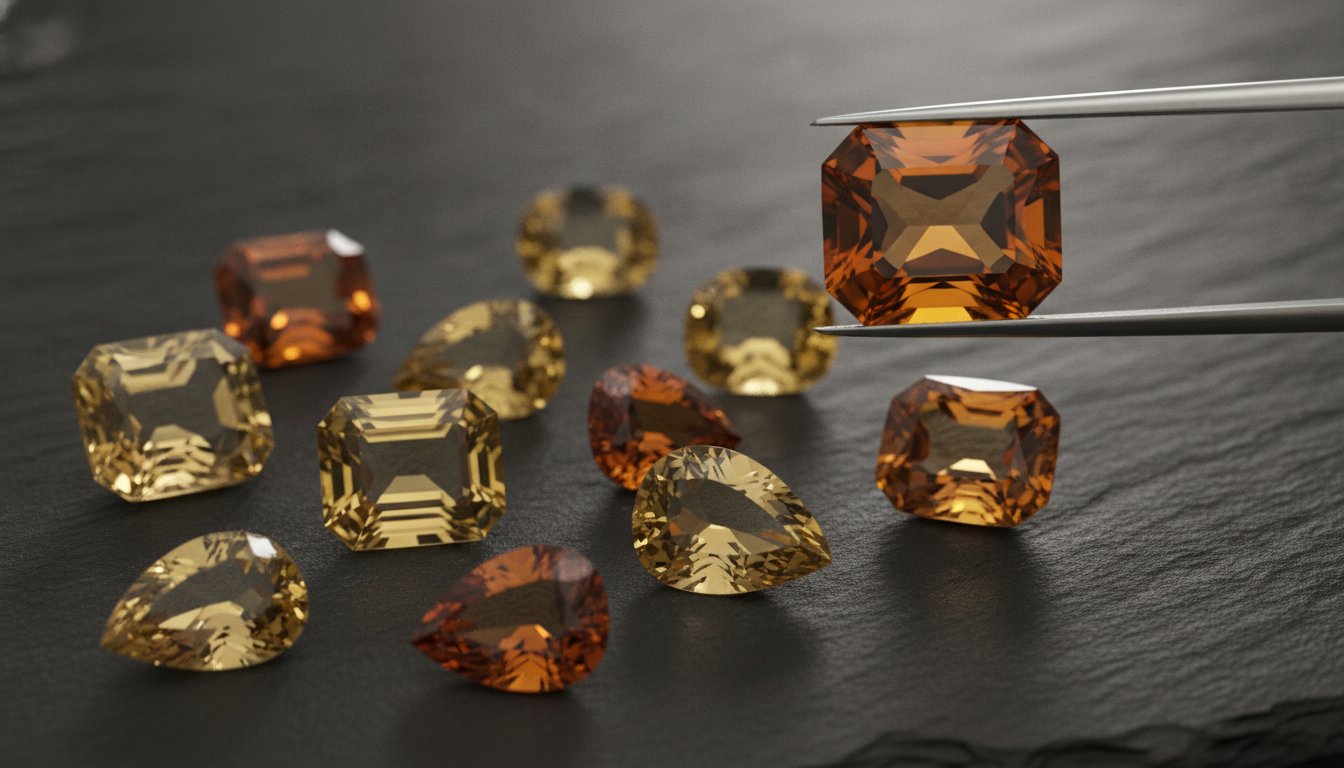
Did you know that an estimated 90% of the citrine sold commercially in 2026 is actually heat-treated amethyst rather than natural citrine? It's understandable why collectors feel a sense of hesitation when browsing for this radiant golden quartz online. You want the genuine warmth of a sun-kissed stone, but the fear of overpaying for a common, "burnt" amethyst or mistaking it for a yellow sapphire often stands in the way of a confident purchase.
We agree that the gemstone market should be defined by transparency rather than confusion. You deserve to know exactly what you're buying, whether it's a rare, untreated specimen or a precision-cut stone destined for a custom pendant. This guide will transform you into a savvy connoisseur, giving you the tools to master the art of evaluating quality and understanding the nuances of gemstone treatments.
We'll explore the specific markers of high-value varieties like Madeira citrine, compare the current market value of natural versus treated stones, and show you how to select a premium loose stone that meets the highest ethical standards. By the end, you'll have the technical validation needed to invest in your collection with total security.
Key Takeaways
- Learn to evaluate the fine color and eye-clean clarity standards that distinguish investment-grade citrine from common commercial varieties.
- Gain a technical understanding of gemstone enhancements to confidently navigate the market for natural versus heat-treated specimens.
- Explore the creative possibilities of setting loose stones in yellow or white gold for bespoke jewelry designs like custom pendants.
- Discover why radical transparency and expert-led sourcing are the ultimate safeguards for collectors seeking high-value materials.
What is Citrine? Understanding the Golden Variety of Quartz
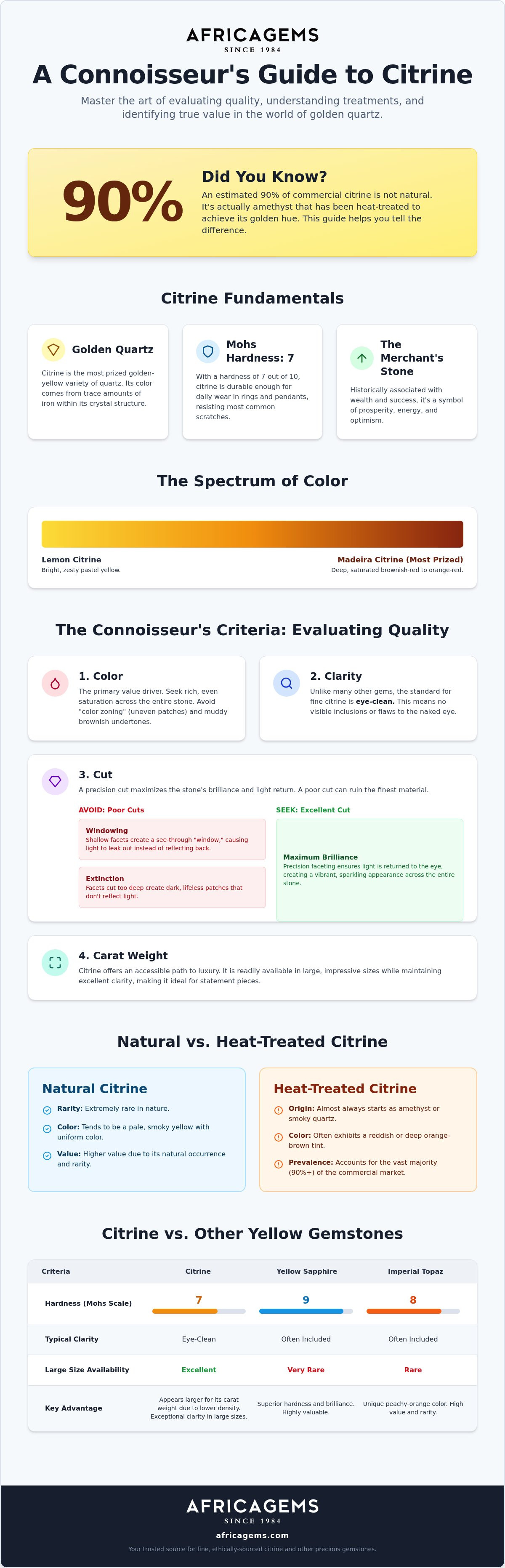
Citrine is more than just a yellow stone; it's the most prized color variety of the quartz family. Ranging from a soft, translucent yellow to a deep, honeyed brown, its name is derived from the French word citrin, meaning lemon-colored. While many gemstones rely on complex chemical structures for their hue, Citrine quartz owes its sun-drenched appearance to minute trace amounts of iron within its silicon dioxide structure. This subtle elemental inclusion creates the warm, radiant glow that has captivated jewelry lovers for centuries.
Historically, this gem has been revered as the "Merchant's Stone," long associated with the manifestation of wealth and professional success. It enjoyed a significant renaissance during the Victorian era, where it became a staple in ornate Scottish shoulder brooches and statement jewelry. Beyond its storied past, it's a practical choice for modern collectors. Ranking at 7 on the Mohs scale of mineral hardness, it possesses the durability required for daily wear in rings or gemstone pendants without the constant fear of surface abrasions or scratching.
The Color Palette: From Lemon to Madeira
The spectrum of this gemstone is remarkably broad. At the lighter end, you'll find "Lemon Citrine," which displays a bright, zesty pastel yellow that feels modern and airy. As we move into more saturated territory, we encounter the highly coveted "Madeira" variety. Named after the rich, fortified wines of the Madeira Islands, these stones exhibit a deep brownish-red to orange-red hue. In the current market, these saturated tones are the gold standard for connoisseurs. The psychological appeal of these warm-toned gems is undeniable. They evoke a sense of energy and optimism that complements both traditional yellow gold and contemporary white metal settings.
Citrine vs. Yellow Sapphire and Topaz
When evaluating yellow gemstones, citrine often stands as the most sophisticated alternative to yellow sapphire or imperial topaz. While a sapphire offers superior hardness, it rarely achieves the massive, eye-clean sizes that citrine can provide. For those seeking a large, impressive gem without compromising on clarity, the quartz family offers an accessible path to high-end luxury.
To the untrained eye, these stones may look similar, but the technical differences are distinct. Citrine has a lower refractive index and lower density than topaz or sapphire. This means that for a stone of the same carat weight, a citrine will often appear larger visually. For a collector seeking a significant centerpiece stone with exceptional clarity, this golden quartz offers a combination of scale and brilliance that few other natural materials can match.
Evaluating Citrine Quality: The Connoisseur’s Criteria
For the serious collector, determining the value of citrine requires looking past the surface shimmer to analyze technical specifications. While fashion brands often prioritize the general "look" of a piece, a true connoisseur evaluates a stone based on the harmony of color, clarity, cut, and carat weight. These factors distinguish a common commercial specimen from a museum-quality gem that will hold its appeal for generations.
Color remains the primary value driver. The goal is a rich, even saturation across the entire table of the stone. You want to avoid "color zoning," where patches of the gem appear lighter or darker than others. While reddish-orange Madeira tones are highly prized, the most important factor is the absence of muddy or brownish undertones that can make a stone look dull under low light. According to GIA's guide to citrine, the most valuable stones are those with a highly saturated hue that remains vibrant across the entire crown of the gem.
Why Cut Matters More Than You Think
A poorly executed cut can ruin even the finest rough material. In the gemstone trade, we often see "windowing," which occurs when the back facets are cut too shallowly, creating a see-through area in the center of the stone. Conversely, "extinction" happens when facets are too deep, causing dark, lifeless patches that fail to reflect light. As an Expert Enthusiast, you should look for precision faceting that ensures maximum light return. AfricaGems prioritizes stones that avoid these common pitfalls, ensuring every facet is angled to dance with light and highlight the stone's natural iron-driven brilliance.
Clarity Standards for Fine Quartz
Unlike emeralds or rubies, where inclusions are often accepted as part of the stone's character, this variety of quartz is expected to be eye-clean. This means that no flaws should be visible to the naked eye. Inclusions like "lily pads," which are circular liquid-filled fractures, or veils can disrupt the flow of light and significantly decrease market value. Because quartz is naturally abundant in high-clarity crystals, there is no reason to settle for anything less than perfection. When browsing our collection of Semi-Precious Gemstones, you'll find that we hold our inventory to this uncompromising standard of transparency.
One of the greatest advantages of this golden quartz is its availability in large, clean crystals. Unlike many other gems, the price per carat doesn't jump exponentially as the stone gets bigger. This makes it the premier choice for statement rings or bold pendants. If you're ready to find a centerpiece that balances size with exceptional quality, exploring our curated loose citrine inventory is the next logical step in your journey as a collector.
The Truth About Citrine Treatments: Natural vs. Heat-Treated
The gemstone industry harbors a significant secret: an estimated 90% of the citrine available on the commercial market today began its journey as amethyst or smoky quartz. Through a stable, permanent process of controlled heating, the iron ions within these stones shift, transforming deep purples or murky greys into the vibrant oranges and yellows we recognize. While this practice is widely accepted, the American Gem Trade Association (AGTA) and other leading authorities mandate full disclosure of such enhancements. At AfricaGems, we believe that radical transparency isn't just an ethical choice; it's a fundamental pillar of trust in high-value transactions.
Natural, unheated citrine is a true rarity in the mineral kingdom. These stones typically exhibit a more restrained, pale yellow or smoky-gold hue compared to the saturated, "burnt" orange found in treated varieties. Because of this scarcity, natural stones command a significant value premium. While heat treatment doesn't compromise the stone's durability, failing to disclose it can lead a buyer to overpay for a stone that doesn't possess the inherent rarity of an untreated specimen. We prioritize providing you with the exact pedigree of every stone, ensuring you understand whether you're investing in a natural miracle or a masterfully enhanced gem.
How to Spot Heat-Treated Amethyst
Identifying treated stones requires a keen eye for specific visual markers. Heat-treated amethyst often displays a distinct reddish tint or a deep, brownish-orange saturation that nature rarely produces in quartz. If you're looking at a crystal cluster, a white, opaque base is a classic sign of heated amethyst, as the "root" of the crystal doesn't change color during the heating process. In contrast, natural stones often display pleochroism, where the gem shows subtle shifts between yellow and greenish-yellow when viewed from different angles. Buying from a seasoned expert like Marc Sarosi removes the guesswork, as every stone is vetted for these technical nuances before it enters our inventory.
The Value of Radical Transparency
We've built our 40-year legacy on the belief that an informed buyer is a secure buyer. By providing detailed data on every stone's origin and treatment status, we protect the long-term integrity of your collection. Understanding Why Treatment Disclosure is Crucial helps you navigate the market with the confidence of an insider. Whether you choose a rare untreated specimen or a vibrant heated stone for its visual impact, our commitment to full disclosure ensures your investment is grounded in reality, not marketing fluff. This methodical approach to sourcing is why collectors worldwide trust us for their most important acquisitions.
Designing with Citrine: From Loose Stones to Custom Jewelry
Citrine possesses a rare aesthetic fluidity that makes it a favorite among high-end jewelry designers. It's one of the few gemstones that feels equally at home in the buttery warmth of 18k yellow gold as it does in the cool, architectural precision of platinum or white gold. While yellow gold settings harmonize with the stone's natural iron-driven hues, white metals create a striking, contemporary contrast that makes the golden brilliance "pop" with modern intensity.
The most sophisticated collectors often choose to purchase a loose stone before committing to a setting. This strategy ensures you're investing in a gem with verified light return and clarity rather than a pre-set piece where the mounting might hide a "windowed" cut or surface-reaching inclusions. Once you've secured a premium stone, the transition to a finished piece becomes a creative collaboration. AfricaGems offers comprehensive custom jewelry design services to help you transform your selected gem into a bespoke masterpiece that reflects your personal legacy.
Selecting the Right Mounting for Citrine
When choosing a home for your gem, the mounting style should prioritize light entry. Minimalist prong settings are generally superior for quartz because they allow light to penetrate the stone from all angles, maximizing the internal reflection that defines a high-quality cut. For those seeking extra opulence, pairing the warm glow of the center stone with brilliant-cut diamond accents creates a timeless, high-contrast look. You can explore a variety of professional-grade options by visiting our curated collection of Shop Mountings to find the perfect framework for your stone.
Bespoke Citrine Pendants and Rings
A custom-designed piece is more than just jewelry; it's a narrative of craftsmanship. Because this gemstone is available in significant sizes, it's the premier choice for a statement centerpiece in gemstone pendants. As the traditional birthstone for November, it also serves as a deeply personal gift for milestones and anniversaries. Whether you're designing a cocktail ring that captures the light of a sunset or a refined pendant for daily wear, the process starts with the integrity of the material. If you're ready to begin your custom journey, browse our loose citrine inventory today to find the stone that speaks to your vision.
Why AfricaGems is the Trusted Source for Fine Citrine
Acquiring high-value materials requires more than just a transaction; it demands a partnership with a mentor who understands the nuances of the trade. Since 1984, AfricaGems has stood as a pillar of integrity in a market often clouded by anonymity and undisclosed enhancements. Our founder, Marc Sarosi, provides direct accountability for every stone that passes through our hands. This personal guarantee isn't merely a business policy; it's a reflection of over 40 years of dedicated expertise and a passionate commitment to the art of gemology.
Unlike general marketplaces where sellers often lack technical training, we approach citrine with the eye of a connoisseur. Every stone in our collection is vetted for the specific criteria we discussed earlier: even saturation, precision faceting, and absolute transparency. This Expert Enthusiast perspective ensures that we don't just sell gems; we curate a legacy of quality for serious collectors and professional jewelers alike. We prioritize ethical sourcing and meticulous selection to ensure that your purchase is both a beautiful addition to your collection and a secure investment.
The AfricaGems Advantage: Quality Over Quantity
While some dealers prioritize high-volume sales of commercial-grade crystals, we focus exclusively on the top tier of the market. Our inventory consists of eye-clean specimens that meet the rigorous standards expected by those who value excellence. We understand that buying a loose gem online requires a significant leap of faith. To provide total security, we offer a 100% money-back guarantee, allowing you to inspect the stone's brilliance and clarity in person. You can confidently explore our premium selection of Loose Citrine Gemstones to find a piece that truly meets your standards.
A Legacy of Gemstone Excellence
Our journey began in 1984 as a traditional gemstone dealer, and we were among the first to bring this level of specialized expertise to the digital world in 1997. Over the decades, we've refined our sourcing networks to ensure that every gem is ethically obtained and accurately described. We invite you to read through our AfricaGems blog to see how our commitment to radical transparency has built a community of thousands of satisfied customers. This long-standing track record is your assurance that when you buy from us, you're receiving a stone backed by a legacy of professional authority and uncompromising quality.
Secure Your Legacy with Premium Golden Quartz
Choosing a high-quality citrine is an exercise in discerning the subtle interplay between iron-driven color and master-level faceting. We've examined the technical markers that separate commercial quartz from investment-grade specimens. You now possess the knowledge to identify eye-clean clarity, understand stable heat treatments, and appreciate the rarity of unheated stones. This expertise ensures your next acquisition is grounded in technical validation rather than mere visual appeal.
At AfricaGems, we prioritize security through radical transparency. Every stone is expertly selected by Marc Sarosi, ensuring only the finest examples of saturation and light return reach our clients. We provide full disclosure on all enhancements, backed by 30-day returns and secure global shipping. Whether you're designing a custom pendant or expanding a collection, our 40-year legacy stands behind every gem.
Are you ready to find the centerpiece for your next design? Explore our hand-selected collection of Loose Citrine Gemstones at AfricaGems and discover the difference that professional authority makes. Your journey begins with a radiant choice.
Frequently Asked Questions
Is citrine a real gemstone or just heated quartz?
Citrine is a genuine variety of quartz and a recognized gemstone in the mineral kingdom. While it's true that most commercial specimens are created by heat-treating amethyst or smoky quartz, this doesn't make them "fake." The process mimics natural geothermal heating to achieve the signature yellow hue. However, collectors often distinguish between these enhanced stones and rare, naturally occurring yellow quartz that hasn't undergone human intervention.
How can I tell if my citrine is natural or heat-treated?
Identifying the difference requires a keen eye for color saturation and crystal structure. Heat-treated stones often display a telltale reddish-orange tint or a white, opaque base if in cluster form. Natural stones typically exhibit a more subtle, pale yellow hue and may show pleochroism, where the color shifts slightly when viewed from different angles. For total certainty, we provide full disclosure on every stone's treatment status to ensure you know exactly what you're buying.
Is citrine expensive compared to other yellow gems?
This gemstone is highly valued for its accessibility, especially when compared to yellow sapphire or imperial topaz. Because quartz is abundant, you can often find large, eye-clean specimens at a fraction of the cost of other precious yellow materials. This makes it a premier choice for those designing bold custom pendants or statement rings where a significant carat weight is desired without the prohibitive pricing of rare corundum.
Can I wear citrine every day in an engagement ring?
You can certainly wear this gem in an engagement ring, provided the setting offers adequate protection. With a hardness of 7 on the Mohs scale, it's durable enough for daily activity but is more susceptible to scratches than diamonds or sapphires. We recommend a bezel or protective prong setting to safeguard the stone's facets. Regular cleaning and mindful wear will help maintain its sun-drenched brilliance for years to come.
What is Madeira citrine and why is it more valuable?
Madeira refers to a specific trade color characterized by a deep reddish-orange or brownish-red saturation. Named after the fortified wine of the Madeira Islands, these stones are the most prized variety in the quartz family. Their value is driven by the intensity and rarity of the color compared to more common pale yellow varieties. In the connoisseur market, a well-cut Madeira stone with high light return is considered the gold standard.
Does citrine fade if left in the sunlight?
While most specimens are relatively stable, prolonged exposure to intense, direct sunlight can cause some stones to lose their color saturation over time. This is particularly true for certain natural varieties or those that have undergone specific treatments. It's best practice to store your jewelry in a dark, cool place when not in use. This simple precaution ensures the gem's vibrant golden hue remains as vivid as the day you purchased it.
What is the difference between citrine and yellow topaz?
Although they can look identical to the naked eye, these are two distinct mineral species. Topaz is a silicate of aluminum and fluorine with a hardness of 8, while quartz is silicon dioxide with a hardness of 7. Topaz is also significantly denser, meaning a one-carat topaz will be physically smaller than a one-carat quartz stone. These technical differences affect both the stone's durability and its refractive properties in finished jewelry.
Where does the best quality citrine come from?
Brazil is widely recognized as the premier source for high-quality material, specifically the Rio Grande do Sul region. Other notable deposits are found in Madagascar and Uruguay. These locations are famous for producing the large, clear crystals that Marc Sarosi selects for our inventory. By sourcing from established mines in these regions, we ensure that every stone meets our uncompromising standards for ethical origin and exceptional visual quality.

Article by
Marc Sarosi
Professional gemstone dealer for more than 40 years. Started off mining Aquamarine in Zambia, Africa and travelled throughout the continent in search of fine gems. Trusted authority on fine gemstones and have donated a fine collection of more than 27 extraordinary gemstones to the Smithsonian Institute Gem Hall for generations to see.