
Certified Natural Emeralds for Sale: The 2026 Connoisseur’s Buying Guide
Apr 13th 2026
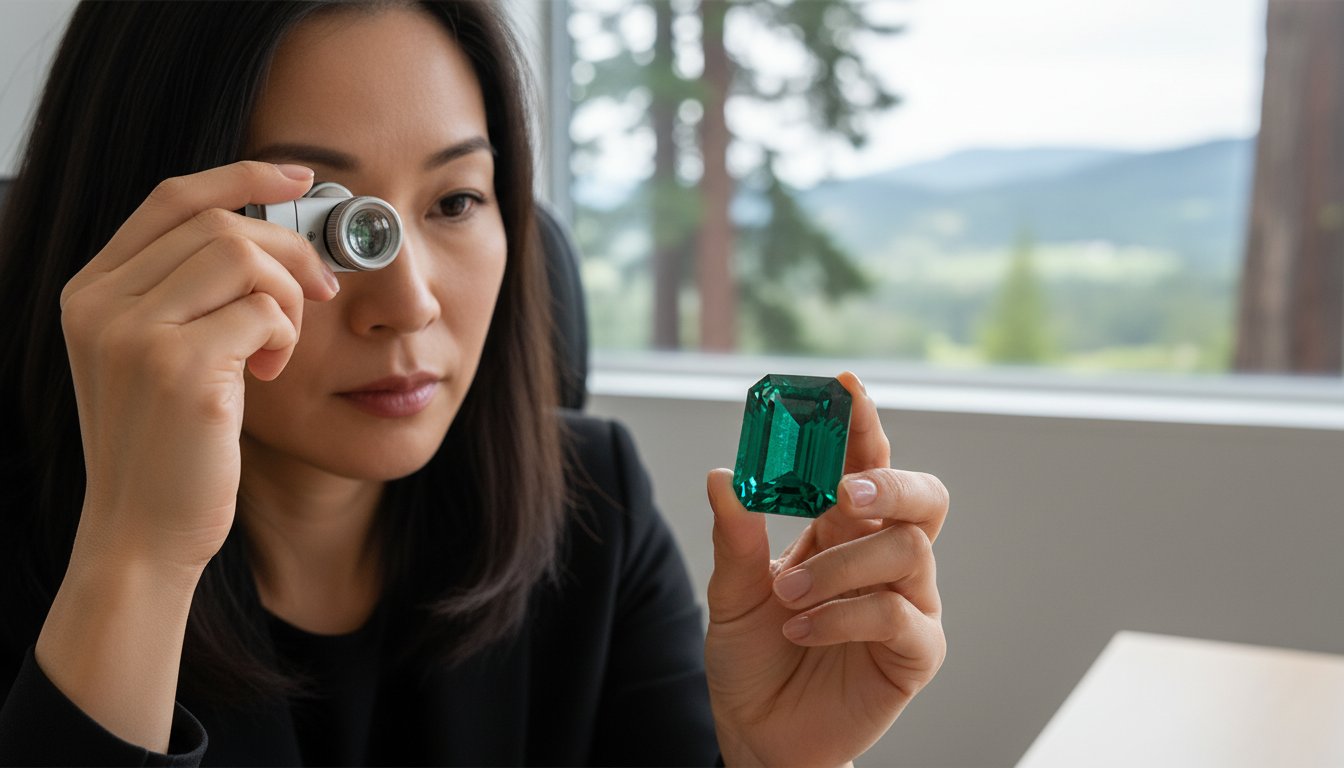
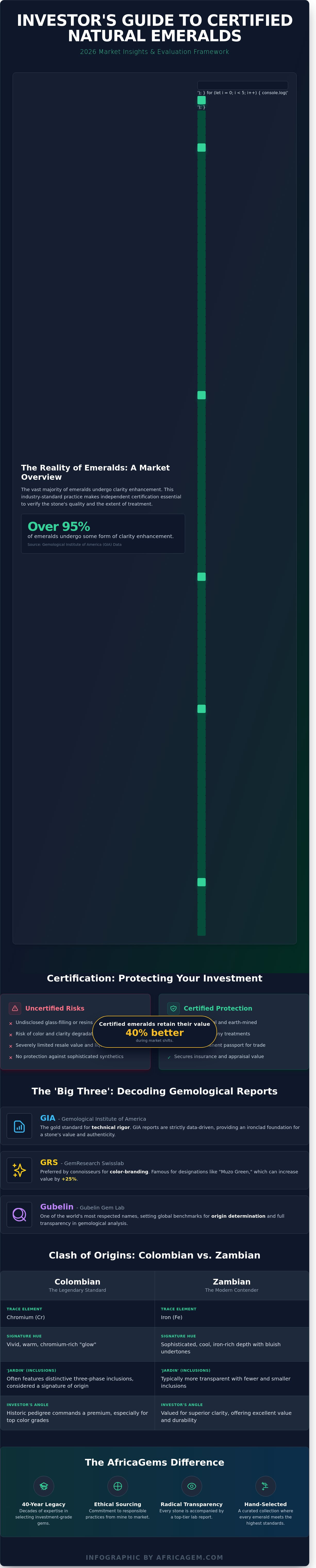
The most breathtaking emerald in a display case is often the one you should trust the least. While the allure of a vivid green stone is undeniable, data from the Gemological Institute of America indicates that over 95% of emeralds undergo some form of clarity enhancement. This reality makes the search for investment-grade certified natural emeralds for sale a complex journey through various treatment levels and origin pedigrees. You've likely felt the frustration of deciphering whether a minor oil designation justifies a premium or if a stone's Colombian origin is truly worth the markup. It's a valid concern because your collection deserves the integrity of a GRS or GIA report and the security of full disclosure.
This 2026 guide promises to strip away industry jargon to provide a transparent, expert-led framework for your next acquisition. You'll discover how to evaluate the internal jardin of a stone without compromising on durability or beauty. We'll examine the specific market shifts expected in 2026 and outline the AfricaGems difference in ethical sourcing and radical transparency. By the end of this article, you'll possess the technical insight to secure a stone that isn't just a purchase; it's a legacy held to the highest gemological standards.
Key Takeaways
- Understand why GIA, GRS, and Gubelin reports are the definitive gold standard for verifying authenticity and treatment disclosure in the 2026 market.
- Discover how to navigate the marketplace for certified natural emeralds for sale by prioritizing rigorous gemological data over mere marketing labels.
- Contrast the legendary chromium-rich glow of Colombian emeralds with the sophisticated, iron-rich depth of Zambian stones to find your ideal aesthetic.
- Learn to interpret the "Jardin" of an emerald as a signature of natural origin and master the hierarchy of color and transparency that defines true investment value.
- Gain peace of mind by exploring the AfricaGems Difference, where every stone is hand-selected through a 40-year legacy of ethical sourcing and radical transparency.
Why Certification is Essential for Natural Emeralds in 2026
In 2026, the term "natural" isn't enough to guarantee a gemstone's geological pedigree. A certified natural emerald is a stone that's been verified by an independent gemological laboratory to be earth-mined and fully compliant with international disclosure standards. While the Emerald mineral variety has been prized for thousands of years, modern technology has made it increasingly difficult to distinguish between what grew in the earth and what was created in a pressurized vessel. Choosing certified natural emeralds for sale ensures you're purchasing a genuine piece of history rather than a factory-produced alternative.
The 2026 market standards require radical transparency because of the rise in sophisticated lab-grown "seeds." These are synthetic emeralds started from a natural fragment, making them chemically and structurally identical to their natural cousins. Only top-tier labs using advanced spectroscopy can detect these subtle differences. At AfricaGems, we believe that providing certified natural emeralds for sale is the only way to maintain the integrity of the trade. This commitment to disclosure acts as a pillar of trust between the dealer and the collector.
The Risks of Uncertified Emeralds
Buying an emerald without a reputable certificate exposes you to significant financial and aesthetic risks. Many stones sold as "natural" in 2025 were later found to contain heavy glass-filling or undisclosed resins that artificially enhance color. These treatments often degrade over time, leaving you with a stone that's brittle or dull. You should also be wary of "in-house" certificates. These documents often lack objectivity because the seller is grading their own inventory. Without a recognized third-party report, your ability to resell the stone is severely limited, as most professional buyers won't accept an unverified gem.
Protecting Your Investment Value
A laboratory certificate acts as a permanent passport for your gemstone in the international trade. It provides the technical validation required for insurance appraisals and future liquidation. Data from 2024 auction cycles indicates that emeralds with "no oil" or "minor oil" reports from major labs like the GIA or GRS retain their value 40% better than uncertified stones during market shifts. This documentation provides a stable foundation for your collection. To understand how these technical factors influence the final price tag, you can explore our guide on How Much Are Emeralds Worth? Certification isn't just a piece of paper; it's the ultimate security for your investment.
Decoding Gemological Reports: GIA, GRS, and Gubelin Standards
Finding high-quality certified natural emeralds for sale requires more than a keen eye; it demands scientific validation from the world's most prestigious laboratories. The "Big Three" labs, the Gemological Institute of America (GIA), GemResearch Swisslab (GRS), and the Gubelin Gem Lab, set the global benchmark for transparency. These institutions analyze the geological environment of formation to distinguish natural stones from sophisticated synthetics. They focus on three pillars: origin determination, color intensity, and the degree of clarity enhancement.
GIA vs. GRS: Which Report Should You Trust?
GIA is the gold standard for technical rigor and conservative grading. Their reports are strictly data-driven, avoiding flowery trade names in favor of objective descriptions. If a stone is high-quality, GIA's clarity and treatment identification provide an ironclad foundation for its value. GRS, based in Switzerland, is often the preferred choice for connoisseurs seeking color-branding. They're famous for terms like "Muzo Green," a designation that can increase a stone's market value by 25% compared to a stone with a standard color grade. For any emerald exceeding five carats, I recommend securing reports from both labs to ensure absolute confidence in your investment.
Understanding Treatment Disclosures
Emeralds are naturally "restless" stones, often featuring internal fractures known as the jardin. Because of this, almost all emeralds undergo some form of clarity enhancement. The "Treatment" section of a report is where you'll find the most critical data. Labs categorize the level of foreign substances, typically oil or resin, within these fractures. You'll see a scale ranging from "None" to "Moderate."
- No Oil: Extremely rare; these stones command a massive premium, sometimes 200% to 300% higher than treated counterparts.
- Insignificant: Only trace amounts of oil are present under microscopic examination.
- Minor: Minor Oil is the industry standard for high-quality natural emeralds.
- Moderate: Significant oiling that may affect the stone's long-term stability or color consistency.
It's vital to check if the report specifies the type of filler. Traditional cedar oil is preferred by collectors because it's a natural substance and completely reversible. Modern artificial resins are more permanent but can turn cloudy over a decade. At AfricaGems, we prioritize stones with minor, traditional oiling to ensure your gem retains its breathtaking luster for generations. If you're ready to start your collection, our curated selection of certified natural emeralds for sale offers the radical transparency you deserve.
Comparing Natural Emerald Origins: Colombia, Zambia, and Beyond
Origin isn't just a geographic label; it's a chemical signature that determines a stone's visual soul and market trajectory. When you search for certified natural emeralds for sale, the mine of origin acts as a primary value driver. Each location offers a distinct geological "recipe" of trace elements like chromium, vanadium, and iron that dictates the final appearance of the crystal.
Technically, Colombian emeralds remain the undisputed gold standard for collectors. Their fame stems from a rare geological environment where emeralds formed in sedimentary rocks rather than igneous ones. This unique setting results in stones high in chromium but exceptionally low in iron. Without iron to "kill" the glow, Colombian stones exhibit a vivid, fluorescent green that seems to radiate light from within. In contrast, Zambian specimens are iron-rich, which lends them a deeper, more "forest" green and a cooler, bluish undertone.
The Colombian Allure: Muzo and Chivor
The Andes mountains produce a specific "warm green" that's impossible to replicate elsewhere. Within Colombia, the Muzo mine is legendary for its deep, grassy saturation. Because of this historical prestige and the sheer beauty of the material, a Muzo origin often commands a 20-50% price premium over stones from other regions. If you're focusing on the nuances of shade and tone, The Connoisseur’s Guide to Emerald Colors provides a deeper dive into how these specific locations influence saturation.
Zambian Emeralds: A Sophisticated Alternative
Zambian emeralds have surged in popularity among savvy investors. These stones typically show a sophisticated bluish-green palette and boast superior clarity. Because the crystal growth environment in Zambia is more stable than in Colombia, the emeralds are often "cleaner" to the naked eye. For those seeking certified natural emeralds for sale with high transparency, Zambian specimens offer incredible value. Investment-grade Zambian stones, particularly those that are entirely untreated, have seen steady price appreciation as the market recognizes their durability and intense color.
Beyond these two titans, secondary origins like Ethiopia and Afghanistan are gaining traction. Ethiopian emeralds from the Shakiso region often mimic the high-quality look of Colombian material but at a more accessible price point. Afghan emeralds from the Panjshir Valley are prized for their exceptional "oil-like" luster and high transparency. To verify these origins, top-tier labs use chemical "fingerprinting," analyzing trace element concentrations to confirm a stone's pedigree. Consulting GIA's guide to emerald quality factors can help you understand how these origin-based characteristics are officially documented on a laboratory report.
The Investor’s Checklist: Evaluating Clarity, Color, and Cut
Acquiring certified natural emeralds for sale requires a departure from the "flawless" mindset common in diamond grading. In the world of colored gemstones, color is the undisputed king of value, but transparency serves as the queen. A stone with a vivid hue but no transparency lacks the life and "glow" that defines a top-tier investment. Conversely, a pale stone with high clarity fails to command the premium prices seen at major auction houses. The goal is to find the intersection of saturated color and enough clarity to allow light to dance through the crystal.
The "Emerald Cut" itself isn't merely a stylistic choice; it's a geological necessity. Emeralds are naturally more brittle than sapphires or rubies. The rectangular step-cut with cropped corners was specifically engineered to protect the stone from mechanical strain and prevent chipping. This cut also maximizes the depth of color by allowing the viewer to look deep into the heart of the beryl crystal. When you evaluate a stone, remember that price-per-carat doesn't grow linearly. A top-quality 3-carat emerald can cost four to five times more per carat than a 1-carat stone of identical quality because large, clean crystals are statistically rare.
Evaluating the "Jardin" with a 10x Loupe
The term "Jardin," or garden, refers to the mossy internal inclusions found in almost every natural emerald. These aren't flaws; they're the stone’s DNA. When using a 10x loupe, your objective isn't to find a stone without inclusions, as a totally inclusion-free emerald is almost certainly synthetic. Instead, distinguish between eye-clean stones, which look clear to the naked eye, and those with inclusions that threaten structural integrity. Look for:
- Surface-reaching fissures: These can make the stone vulnerable to cracking during setting.
- Location of inclusions: A jardin centered directly under the table facet may dull the stone's brilliance.
- Type of inclusion: Three-phase inclusions (fluid, gas, and a crystal) often act as a fingerprint for Colombian origin.
Hue, Saturation, and Tone
The most desirable emeralds display a pure verdant green or a slightly bluish-green hue. The ideal balance is vivid saturation without the tone becoming so dark that the stone looks "inky" or black in low light. Lighting conditions play a massive role in your evaluation. A stone that looks breathtaking under professional jewelry store lights might lose its luster in standard incandescent home lighting. Always view a potential purchase in natural northern daylight to see its true character. To master these nuances, collectors should study the Emerald Gemstone Pillar Guide for a deep dive into color theory and origin-specific traits.
The AfricaGems standard ensures that every stone is vetted for these specific investment criteria, providing you with the transparency needed for a confident purchase. If you're ready to add a masterpiece to your portfolio, browse our hand-selected certified natural emeralds for sale today.
Discover the AfricaGems Difference: Curated Certified Emeralds
Marc Sarosi has spent 40 years cultivating a legacy of trust within the global gemstone industry. This expertise is the foundation of the AfricaGems Difference, a philosophy that prioritizes the physical inspection of every gem over the convenience of automated inventory. Finding authentic, high-quality certified natural emeralds for sale requires a dealer who understands the nuances of origin and treatment. While many online retailers act as mere middlemen for overseas wholesalers, we hand-select every stone in our collection. We don't drop-ship. This hands-on approach ensures that the green fire described in our listings is a reality you can witness the moment you open the box.
A Personal Approach to Gemstone Sales
Secure Your Legacy Stone Today
The market for high-quality emeralds is competitive, with top-tier stones often remaining in private collections for generations. We invite you to browse our current vault of certified natural emeralds for sale to find a piece that resonates with your aesthetic and investment goals. For those building a diverse portfolio, we also offer an exquisite selection of Blue Sapphires that pair beautifully with the rich greens of a Colombian or Zambian emerald.
Don't miss out on the rarest arrivals. By signing up for our Insider Gem List, you receive first access to new acquisitions before they're released to the general public. This list is the best way to ensure you have the first opportunity to secure world-class gemstones as they enter the market. Secure your piece of Earth's history today through a dealer who values integrity as much as beauty.
Secure Your Legacy with the 2026 Emerald Standard
Navigating the 2026 gemstone market requires a blend of aesthetic appreciation and technical precision. You now understand why GIA and GRS certifications are the non-negotiable benchmarks for authenticating origin and treatment levels. Whether you're targeting the vivid greens of Colombia or the iron-rich stability of Zambian deposits, these reports protect your capital. AfricaGems brings 40 years of gemological expertise to this selection process; we ensure every stone in our vault meets the rigorous standards of a true connoisseur. We provide a transparent bridge between ethical mines and your private collection. Our current inventory of certified natural emeralds for sale features hand-selected specimens that have passed our uncompromising quality checks. You can acquire these rare treasures with absolute peace of mind, supported by our 30-day no-questions-asked return policy. Marc Sarosi's commitment to radical transparency ensures you aren't just buying a stone; you're gaining an expert partner in your collecting journey. The right emerald is waiting to become part of your story.
Shop Our Hand-Selected Vault of Certified Natural Emeralds
Frequently Asked Questions
Is a natural emerald with minor oil still considered "natural"?
Yes, a natural emerald with minor oiling remains classified as natural by every major laboratory including the GIA. Over 90% of emeralds found in the global trade undergo some form of clarity enhancement to fill surface-reaching fissures. This traditional practice typically uses colorless oils like cedarwood oil. It's an accepted industry standard that doesn't change the gemstone's fundamental mineral identity or its status as a natural crystal.
Which lab certificate is the most reputable for Colombian emeralds?
The GRS (GemResearch Swisslab) and the Gubelin Gem Lab are the gold standards for Colombian emeralds. These institutions provide precise origin reports and treatment grading that collectors trust implicitly. A 2024 industry report indicates that Colombian stones with GRS "Muzo Green" comments command the highest market premiums. These labs use advanced spectroscopy to confirm a stone's geographic birthright, ensuring your investment is backed by rigorous science.
Can I buy a certified natural emerald online safely?
You can safely purchase certified natural emeralds for sale online by vetting the dealer's transparency and return policies. Look for vendors who offer a 30 day inspection period and provide high-resolution 40x magnification videos of the actual stone. Reputable sellers always link to a third-party laboratory's digital verification portal. This allows you to cross-reference the certificate number directly with the issuing lab's database before you commit to the purchase.
What is the "Muzo Green" designation on a GRS report?
"Muzo Green" is a proprietary color grade used by GRS to describe the finest vivid green emeralds from Colombia. It refers to a specific saturation and tone that mimics the legendary stones from the Muzo mines. This designation isn't just about color; it also requires the stone to have no apparent color zoning and low levels of treatment. It represents the top 1% to 2% of Colombian production according to 2025 market availability data.
How much should a 1-carat certified natural emerald cost in 2026?
Market data from the 2024 GemVal index suggests that a high-quality 1-carat Colombian emerald can range from $5,000 to over $15,000. Prices for 2026 continue to trend upward due to a 15% decrease in supply from major mining regions over the last two years. The final price depends heavily on the level of oiling. Stones with "no oil" designations often carry a 50% to 100% premium over those with minor oil because of their extreme rarity.
Do natural emeralds come with a GIA report like diamonds do?
The GIA provides comprehensive Identification and Origin Reports for emeralds, though they differ from diamond grading reports. While diamonds focus on the 4Cs, an emerald report emphasizes the presence of treatments and geographic origin. GIA's 2023 reporting standards include a clear statement on whether the stone is natural or synthetic. They also quantify the level of clarity enhancement on a scale from "None" to "Significant" to ensure full disclosure.
What happens if the certificate and the stone do not match?
Discrepancies between a stone and its certificate are a major red flag that requires immediate action. You should compare the internal inclusions shown in the lab's plot map with what you see under a 10x loupe. If the weight differs by more than 0.01 carats or the dimensions vary by more than 0.1mm, the stone likely isn't the one described. Reputable dealers offer a 100% money-back guarantee to protect buyers from such inconsistencies and ensure the integrity of the trade.
Why are some natural emeralds more expensive than others of the same size?
Price variance for certified natural emeralds for sale is driven by the rarity of "no oil" stones and the prestige of specific origins. A 2-carat emerald from Colombia often costs 30% more than a similar stone from Zambia due to historical demand and color profile. Additionally, an emerald with "insignificant" oil is significantly rarer than one with "moderate" oil. These subtle gemological differences create vast gaps in market value that only a certified report can fully validate.