
Buying Loose Alexandrite: 2026 Connoisseur’s Guide
Jul 29th 2026
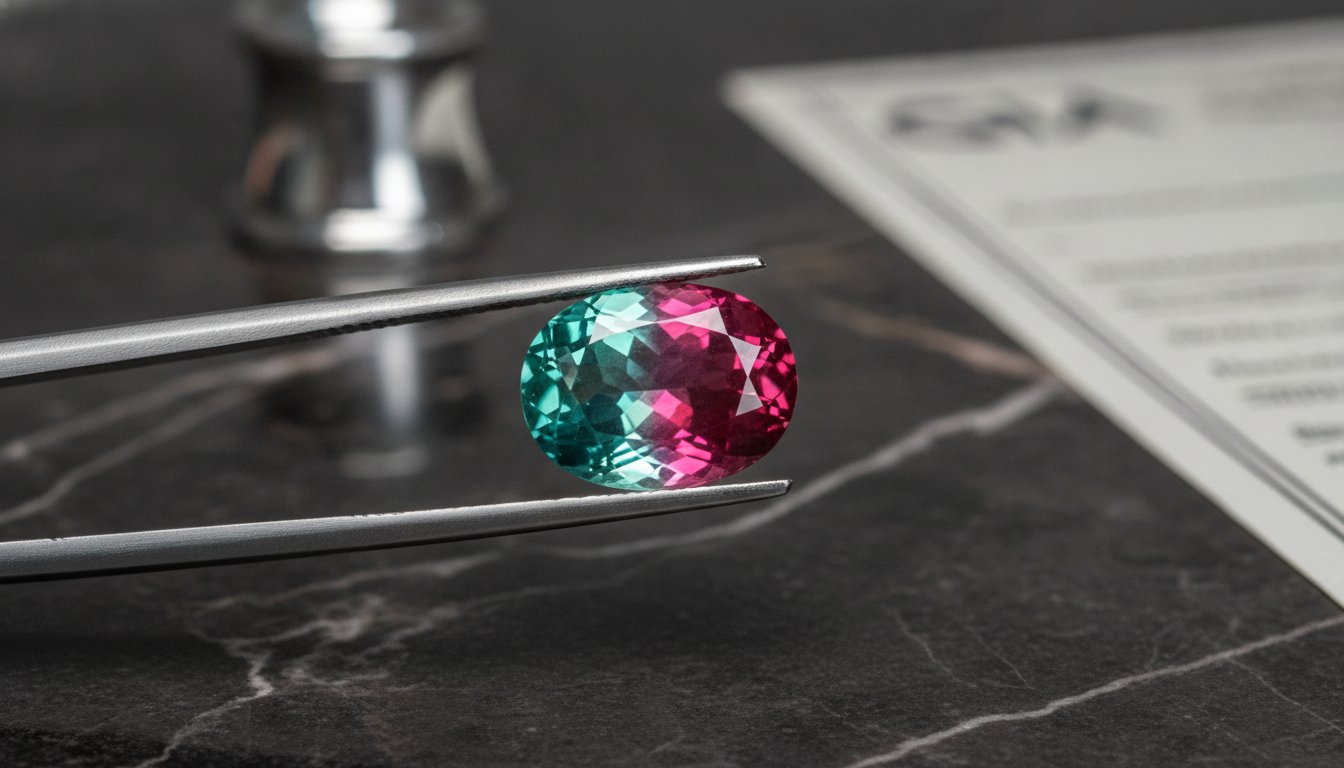
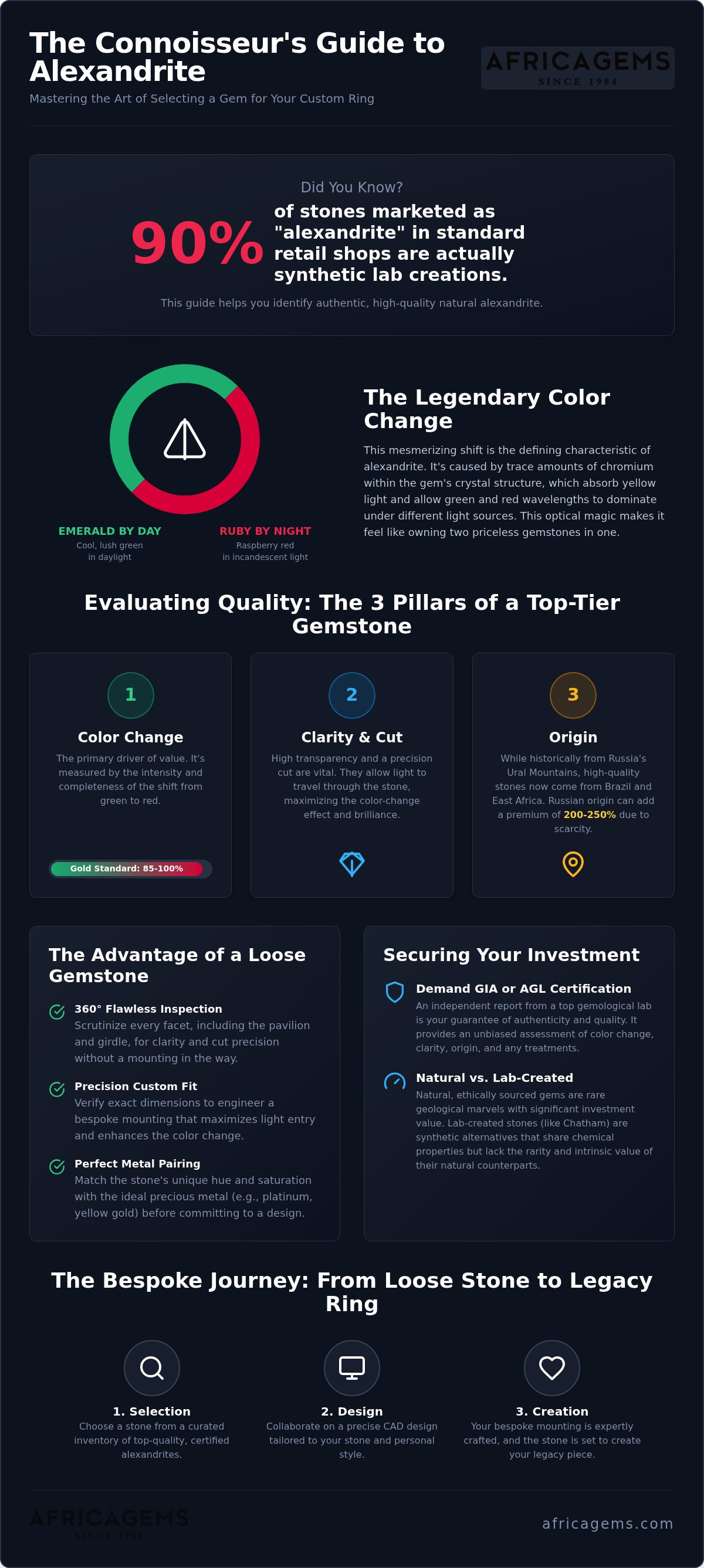
Did you know that 90% of stones marketed as "alexandrite" in standard retail shops are actually synthetic lab creations? It's a sobering reality for any collector seeking a natural loose alexandrite for a custom ring, especially when the difference between a mid-quality stone and an investment-grade specimen can mean tens of thousands of dollars. You likely feel the pressure to get the color-change quality exactly right while fearing the lack of transparency in a crowded digital market.
We believe that purchasing a rare gemstone should feel like a secure, enlightened experience rather than a gamble. This guide will help you master the nuances of hue versus saturation and explain why an 85% to 100% color change is the gold standard for 2026. You'll learn how to interpret GIA identification reports and how to collaborate on a bespoke mounting that showcases the stone's legendary optical magic. By the end, you'll have the clarity needed to choose a centerpiece that truly captures the "emerald by day, ruby by night" spirit.
Key Takeaways
- Perform a rigorous 360-degree inspection of your gemstone to ensure the legendary "emerald by day, ruby by night" effect is vibrant from every angle.
- Identify the specific quality benchmarks for a loose alexandrite for custom ring designs, focusing on the 85% to 100% color-change threshold required for true connoisseur status.
- Evaluate how different precious metals and open-back mounting styles optimize light paths to enhance the stone's dramatic transition from green to raspberry red.
- Secure your investment by prioritizing GIA or AGL certification and understanding the distinct value propositions of natural ethically sourced gems versus Chatham lab-created varieties.
- Navigate the professional bespoke journey with confidence, moving from curated inventory selection to a precise CAD design tailored to your personal legacy.
Why Choose Loose Alexandrite for a Custom Ring?
The decision to acquire a loose alexandrite for custom ring design isn't merely a purchase; it's an investment in one of the rarest optical phenomena in the natural world. As a variety of the mineral Alexandrite, this chrysoberyl specimen is defined by its ability to shift colors under varying light sources. By selecting a loose stone rather than a pre-set piece, you gain the rare opportunity for a 360-degree inspection. You can scrutinize the pavilion and girdle for clarity and cut precision, ensuring that no hidden inclusions are masked by a heavy mounting. This transparency is vital when you're dealing with a gem that commands such significant value in the precious gemstone market.
When you source a loose alexandrite for custom ring projects, you aren't just buying a stone; you're starting a legacy. A loose stone provides the ultimate flexibility for those looking to create a truly one-of-a-kind heirloom. Standard settings often prioritize speed over the specific needs of the gem. In contrast, a bespoke mounting can be engineered with specific setting heights that maximize light entry from every angle. Light drives its identity. Designing from the stone upward ensures that the finished piece isn't just a ring, but a curated stage for a natural miracle.
The 'Emerald by Day, Ruby by Night' Phenomenon
The science behind this shift involves chromium trace elements within the chrysoberyl crystal lattice. These elements absorb light in the yellow part of the spectrum, allowing green and red wavelengths to dominate. Daylight causes the stone to appear as a cool, lush emerald, while incandescent light triggers the shift to a raspberry red. It's the most sought-after color-change gem because this transition is so distinct. It's truly two gemstones in one.
Benefits of Selecting the Stone Before the Setting
Selecting your stone first ensures a precision fit that a standard setting cannot provide. Loose stones allow you to verify exact dimensions, which is critical for creating a bespoke mounting that maximizes light entry. This process removes the guesswork, ensuring the final design is a perfect reflection of the stone's unique character. By choosing the stone first, you can:
- Scrutinize the pavilion for clarity and cut precision without obstruction.
- Verify exact dimensions for a precision-fit custom mounting.
- Match the stone's unique saturation with the ideal precious metal mountings before committing to a final design.
Evaluating Quality: The 3 Pillars of Loose Alexandrite
Evaluating the quality of a potential centerpiece requires more than a casual glance. When you're assessing a loose alexandrite for custom ring creation, you've got to look beyond the surface to understand the three pillars of value: color change, clarity, and origin. These factors don't just determine the price; they define the stone's soul and how it'll perform on your hand. A truly exceptional stone is a balance of these elements:
- Color Change: The primary driver of value, measured by the intensity and percentage of the shift.
- Hue and Saturation: The purity of the green and red tones, ideally avoiding brownish or grayish modifiers.
- Clarity and Cut: The transparency and precision that allow light to navigate the crystal lattice.
Color change is the undisputed king of these pillars. As noted in GIA's guide to alexandrite quality, the strength and completeness of the shift are what separate a collector's item from a mere curiosity. You aren't just looking for a change in hue, but a change in personality. A top-tier stone should ideally exhibit an 85% to 100% shift. If you're currently browsing our collection of natural specimens, you'll find that we prioritize stones where the transition is immediate and dramatic.
Origin also adds a layer of prestige to the connoisseur's decision. While the Ural Mountains of Russia provided the historical benchmark, today's market often looks toward the Hematita mine in Brazil for the most vibrant shifts. Russian stones can command a premium of 200% to 250% over other sources due to their scarcity and historical pedigree. However, high-quality East African stones offer incredible value for those prioritizing saturation and size without the extreme origin premium.
Defining Top-Tier Color Change
A "100% color change" means that under incandescent light, no vestige of the daylight green remains. The alexandrite effect is a scientific marvel where the stone possesses high transmission for both green and red light wavelengths while simultaneously absorbing the yellow light that would normally blend them. A weak shift might only result in a muddy brownish-green, whereas a dramatic transformation results in a crisp, raspberry red that feels like a completely different gem.
Clarity and the 'Eye-Clean' Standard
Alexandrite is a Type II gemstone, which means it naturally tends to have more inclusions than stones like topaz or aquamarine. The industry standard for a high-quality loose alexandrite for custom ring is "eye-clean," where flaws aren't visible to the naked eye. Interestingly, certain inclusions like fine "silk" can actually be beneficial, as they can help disperse light and intensify the color shift. When selecting a stone for a ring, it's often wiser to choose a slightly smaller, eye-clean stone over a larger one with visible fractures that could compromise the gem's structural integrity or brilliance over time.
Designing Your Custom Ring to Enhance Color Change
Selecting a high-quality loose alexandrite for custom ring projects is only the first half of the journey. The architecture of the setting must act as a lens, not a cage. Because alexandrite possesses a remarkable hardness of 8.5 on the Mohs scale, it's exceptionally durable for daily wear. This allows for more creative, airy designs that wouldn't be possible with softer stones. However, the true challenge lies in managing light. A setting that's too restrictive will "kill" the color change, leaving you with a stone that looks perpetually muddy regardless of the light source.
Metal choice plays a decisive role in how the stone's hues are perceived. Platinum and white gold are the preferred choices for most connoisseurs. Their neutral, mirror-like surfaces provide a crisp backdrop that allows the daylight teal and green to pop without interference. Rose gold can be an intriguing alternative, as it tends to emphasize the raspberry red of the incandescent shift, though it may slightly warm the daylight green. Understanding the light-sensitive nature of this gem, as detailed in GIA's guide to alexandrite quality factors, is crucial when deciding which precious metal will best complement your specific stone's saturation.
The debate between open-back and closed-back mountings is settled quickly when dealing with chrysoberyl. You should almost always opt for an open-back design. While a closed-back setting might work for a deeply saturated sapphire, it can stifle a loose alexandrite for custom ring by limiting the angles at which light can enter the stone. An open gallery allows light to flood the pavilion, which is essential for triggering the "alexandrite effect" from multiple viewing angles.
Light Path Optimization in Custom Mountings
In a bespoke setting, we prioritize "light path optimization." This often means utilizing a cathedral setting or a high-prong mount to lift the stone away from the finger. This elevation allows light to strike the pavilion facets, which then act as internal mirrors to reflect light back through the table. Custom design avoids the "dead zones" common in mass-produced settings, where bulky metal castings block the very light the stone needs to transform.
Choosing the Right Accent Diamonds
When selecting side stones, contrast is your greatest ally. We recommend using D-F color diamonds. These colorless stones provide a stark, icy brilliance that doesn't compete with the alexandrite's shifting personality. A three-stone design with tapered baguettes offers a classic, architectural frame, while a delicate halo can make a smaller alexandrite appear more substantial. To see how these elements come together, Explore our custom jewelry design services and begin visualizing your unique heirloom.
Sourcing and Security: Protecting Your Gemstone Investment
Acquiring a loose alexandrite for custom ring designs involves navigating a market where transparency is often the exception rather than the rule. With 90% of stones marketed as alexandrite in standard retail shops being synthetic lab creations, the burden of proof rests on the seller. For a serious collector, a GIA or AGL identification report is non-negotiable. These documents don't just confirm the stone's identity; they act as a safeguard for your capital, ensuring that the premium you pay for a natural, earth-mined gem is justified by its rarity and origin.
Ethical sourcing is a pillar of our communication and operational philosophy. Marc Sarosi has spent over 40 years building a transparent supply chain that prioritizes social responsibility and direct accountability. When you choose a stone from our inventory, you're benefiting from four decades of rigorous vetting. We believe in radical transparency regarding gemstone treatments and origin. Whether you're seeking an investment-grade natural specimen or a high-performance Chatham lab-grown alternative, our commitment to full disclosure ensures you make an informed decision without the pressure of typical high-stakes sales tactics.
Red flags are common in the digital marketplace. If a deal for a natural loose alexandrite for custom ring seems too good to be true, it likely is. Avoid listings that lack clear, high-resolution videos of the color shift or those that use vague terminology like "created" or "simulated" without explicit clarification. A reputable dealer will always provide a third-party lab report from a recognized institution to verify the stone's characteristics before any transaction occurs.
Deciphering Gemological Reports
A professional lab report from the GIA identifies the stone as "Natural" or "Synthetic" and notes any detectable enhancements. For alexandrite, the "Degree of Change" comment is vital. Look for terms like "Strong" or "Distinct" to ensure the color shift meets the 85% to 100% threshold required for top-tier quality. If you're exploring alternatives for an everyday piece, you can learn more about our non-genuine and lab-created options to understand how Chatham varieties offer the same optical properties at a different price point.
The Value of a Legacy Dealer
Expertise isn't just about time; it's about the access and security that come with a 40-year reputation. Marc Sarosi personally vets every loose stone, ensuring it meets our uncompromising standards for hue and saturation. This personal guarantee transforms a digital transaction into a professional consultation. For a comprehensive look at how to navigate these high-value purchases safely, consult our Expert Guide to Buying Gemstones Online. Ready to begin your search? Explore our curated collection of natural alexandrite to find your perfect match.
The Bespoke Journey: From Loose Stone to Finished Ring
The transition from a raw investment to a wearable masterpiece is a structured, collaborative process. It begins with selecting your centerpiece from our curated inventory. Because every chrysoberyl specimen possesses a unique light-responsive personality, starting with a loose alexandrite for custom ring settings allows you to build the architecture around the gem's specific dimensions and color-change intensity. Marc Sarosi's 40 years of expertise ensure that the stone you select isn't just authentic, but possesses the "life" and "fire" necessary to anchor a high-value piece of jewelry.
Once you've secured your loose alexandrite for custom ring creation, the journey moves into the design phase. We don't believe in one-size-fits-all solutions. Our initial consultation focuses on your aesthetic preferences and the practical requirements of your lifestyle. We discuss metal choices, accent stones, and the specific setting heights discussed earlier in this guide. This phase is about radical transparency, ensuring you understand how every design choice will impact the final appearance and security of your investment.
The manufacturing process is handled by master jewelers who specialize in high-value gemstone settings. After the design is finalized, the piece moves through casting, precise setting of the stone, and meticulous hand-finishing. We don't rush this stage. The goal is to create a setting that is as enduring as the stone itself. Finally, your heirloom is delivered via fully insured shipping, backed by our personal guarantee and a commitment to lifetime support for the piece's integrity.
Translating Your Vision into CAD
Computer-Aided Design (CAD) is the bridge between imagination and reality. This 3D modeling process allows us to engineer a precision fit for your specific alexandrite, ensuring the prongs or bezel provide maximum security without blocking light. You'll have the opportunity to review and refine the digital model before any metal is cast. This level of technical validation is essential for collectors of Rare Gemstones: A Connoisseur’s Guide to earth's most scarce treasures.
Final Quality Assurance
Before your ring leaves our hands, it undergoes a rigorous multi-point inspection. We verify that the prongs are perfectly seated, the metal is polished to a mirror finish, and most importantly, that the color-change remains unimpeded by the mounting. We check the "emerald by day" and "ruby by night" shift under controlled lighting to ensure the stone performs exactly as promised. Your satisfaction is the final pillar of our process. Ready to begin? Browse our collection of loose alexandrite gemstones and find the stone that will define your next heirloom.
Securing Your Legacy in Shifting Color
The journey to owning a true natural marvel requires a careful balance of technical knowledge and aesthetic vision. You've seen how the secret to a breathtaking piece lies in the 85% to 100% color-change threshold and the strategic light-path optimization of a bespoke setting. Choosing a loose alexandrite for custom ring designs ensures that every facet is scrutinized and every prong is placed with purpose to honor the stone's "emerald by day, ruby by night" magic.
Since 1984, Marc Sarosi has dedicated his career to sourcing GIA-certified rare gemstones with an uncompromising A+ rating for transparency and disclosure. We don't just sell stones; we provide the professional mentorship needed to navigate the complexities of the gem trade with total security. Your vision deserves a partner who respects the rarity of the material as much as you do. Our legacy is built on the integrity of every stone we place in a collector's hand.
Start Your Custom Alexandrite Ring Journey at AfricaGems
We look forward to helping you transform a rare gift of nature into a timeless family heirloom that will captivate for generations. Your perfect stone is waiting to be discovered.
Beyond personal heirlooms, if you are also seeking sophisticated ways to celebrate professional milestones or corporate events, you can discover Al Sariya Gifts for premium promotional merchandise and customized gift solutions.
Frequently Asked Questions
Is alexandrite durable enough for a custom engagement ring?
Alexandrite is exceptionally durable for daily wear, ranking 8.5 on the Mohs scale. This makes it harder than almost all other colored gemstones except for ruby and sapphire. It possesses excellent toughness and no cleavage, meaning it doesn't easily chip or break upon impact. It is an ideal choice for an engagement ring that needs to withstand the rigors of a lifetime of wear while maintaining its brilliant polish.
How can I tell if a loose alexandrite is natural or lab-created?
You can only reliably distinguish between natural and lab-grown stones through a professional gemological report from the GIA or AGL. With 90% of the retail market consisting of synthetics, visual inspection isn't enough. A certified loose alexandrite for custom ring projects will clearly state "Natural" or "Synthetic" on the report. This certification protects your investment and ensures you aren't paying natural prices for a Chatham creation.
What is the most important 'C' when buying loose alexandrite?
Color change is the most critical factor, far outweighing traditional clarity or carat weight in value determination. A connoisseur looks for the "percentage of change," ideally between 85% and 100%. A stone with a dramatic, distinct shift from teal-green to raspberry-red is significantly more valuable than a larger stone with a weak or muddy transition. In alexandrite, the "alexandrite effect" is the ultimate measure of quality.
Why does my alexandrite look different in my kitchen than in the jewelry store?
This shift occurs because alexandrite is a pleochroic gem that reacts differently to various light wavelengths. Your kitchen might have warm incandescent bulbs that trigger the red shift, while a jewelry store often uses cool-toned LED or fluorescent lights to highlight the green. This "emerald by day, ruby by night" magic is exactly what makes the gem famous. It's essential to view your stone under multiple light sources before finalizing your design.
Does the origin of an alexandrite significantly impact its price?
Origin plays a massive role in pricing, with Russian stones from the Ural Mountains commanding a premium of 200% to 250% over other sources. While Russian stones carry historical prestige, modern benchmarks are often set by Brazilian stones from the Hematita mine. These Brazilian specimens frequently offer superior clarity and a more vivid color shift. East African stones provide a more accessible entry point for collectors prioritizing size and saturation.
Can AfricaGems help me design a ring if I already have a loose stone?
Yes, AfricaGems provides professional custom jewelry design services even if you already possess a gemstone. We specialize in creating bespoke mountings that are specifically engineered to optimize the light path for your unique stone. Our team will guide you through the CAD design process to ensure the setting enhances the color change rather than obstructing it. This collaborative approach transforms your individual gem into a finished heirloom.
What metal is best for an alexandrite custom ring?
How long does the custom ring design process take at AfricaGems?
The custom design process moves through several methodical stages to ensure a perfect result for your loose alexandrite for custom ring. It begins with the initial consultation and moves into the CAD modeling phase, where you'll review a 3D rendering of your piece. Once the design is approved, casting and hand-finishing by our master jewelers follow. We prioritize a steady, educational pace that builds buyer confidence through every step of the journey.

Article by
Marc Sarosi
Professional gemstone dealer for more than 40 years. Started off mining Aquamarine in Zambia, Africa and travelled throughout the continent in search of fine gems. Trusted authority on fine gemstones and have donated a fine collection of more than 27 extraordinary gemstones to the Smithsonian Institute Gem Hall for generations to see.