
Buy Loose Alexandrite Online: The Connoisseur’s Guide to Quality and Value (2026)
Jul 24th 2026
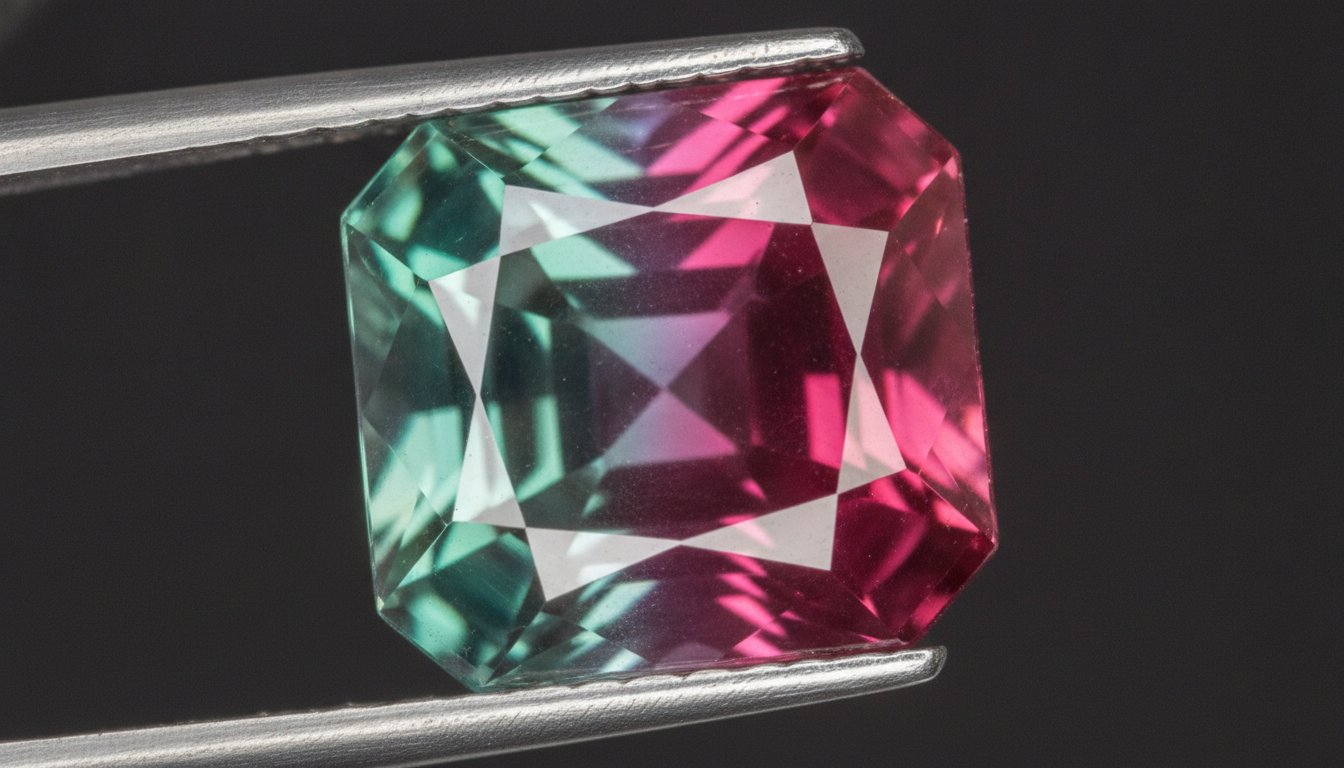
The value of an alexandrite isn't just in its rarity; it's in the "Strength of Change," a critical metric that most online sellers fail to quantify accurately. When you decide to buy loose alexandrite online, you're looking for more than just a stone that shifts from green to red. You're seeking a specimen where that transition is decisive and dramatic. It's understandable if you feel a sense of hesitation. The market is saturated with synthetic corundum masquerading as natural chrysoberyl, and "color change percentages" are often exaggerated to inflate prices.
You deserve a transparent experience that replaces anxiety with the confidence of a true connoisseur. Drawing on over 40 years of expertise at AfricaGems, this guide will empower you to master the complexities of color-change chrysoberyl and identify investment-grade stones with precision. We'll explore the specific drivers of price per carat, the essential nature of GIA identification reports, and how to ensure your high-value acquisition arrives safely. By the end, you'll have the technical knowledge to select a natural alexandrite that serves as both a secure asset and the centerpiece of a breathtaking custom jewelry piece.
Key Takeaways
- Master the "Strength of Change" metric to accurately assess the rarity and value of natural chrysoberyl specimens.
- Discover the essential criteria to securely buy loose alexandrite online by vetting seller longevity and demanding GIA-certified identification reports.
- Understand the distinct price drivers between rare natural stones and high-quality Chatham lab-created varieties to make an informed investment.
- Learn how the Marc Sarosi standard of radical transparency ensures you receive full disclosure on gemstone treatments and origin data.
- Explore how custom jewelry design and specialized settings can enhance the dramatic "Emerald by Day, Ruby by Night" phenomenon in your chosen stone.
The Allure of the 'Emerald by Day, Ruby by Night': Why Buy Loose Alexandrite?
Alexandrite's story began in the 1830s in Russia's Ural Mountains. Named for Czar Alexander II, this gem remains a pillar of the "Big Three" rare investment stones, alongside ruby and emerald. Serious collectors often choose to buy loose alexandrite online because it offers an unobstructed view of the gem’s soul. You can inspect every facet for clarity and the precision of the cut before it's secured in a mount. This level of scrutiny is vital for a stone that is geologically rarer than almost any diamond.
Buying a loose gemstone is the first step toward creating a legacy piece of jewelry. It ensures radical transparency, allowing you to verify that the stone’s integrity hasn't been masked by a clever setting or heavy prongs. When you buy loose alexandrite online through a specialist dealer, you gain access to technical data and high-resolution imagery that a pre-set stone simply cannot provide. This methodical approach mirrors the decision-making process of a serious professional, ensuring that your acquisition is both an aesthetic triumph and a secure asset.
To visualize how to distinguish between genuine specimens and common imitations, watch this helpful video:
Understanding the Color Change Phenomenon
The magic of this gem lies in the chemical composition of the mineral chrysoberyl. Trace elements of chromium absorb light in a specific way, creating a "transmission window" in the green and red parts of the spectrum. This results in the famous "Emerald by Day, Ruby by Night" effect. Pleochroism also plays a role, as the stone shows different colors from different angles. Under daylight, you see cool blue-greens. Under incandescent light, it shifts to warm purplish-reds or raspberry tones. The strength of this shift is the primary driver of value.
Alexandrite vs. Other Color-Change Stones
While color-change garnets and sapphires exist, they rarely match the vividness of a top-tier alexandrite. Alexandrite boasts a hardness of 8.5 on the Mohs scale, making it significantly more durable than garnet for daily wear in rings. It's also far scarcer than most commercial diamonds. While diamonds are widely available, high-quality natural alexandrite is a geological anomaly found in only a few locations worldwide, such as Brazil and East Africa. You can explore our full collection of precious gemstones to see how alexandrite stands apart in its brilliance and rarity.
Evaluating Quality: The 5 Cs of Loose Alexandrite
While most enthusiasts are familiar with the traditional 4 Cs of diamond grading, those looking to buy loose alexandrite online must master a fifth, more critical dimension: the Strength of Change. This metric defines the stone's soul. Evaluating alexandrite quality requires a clinical eye for how the gem interacts with light, moving beyond simple sparkle to analyze a complex chemical transformation. A stone that remains stagnant or muddy under shifting light sources fails the connoisseur's test, regardless of its size or clarity.
The Critical Importance of Color Change Strength
The market categorizes color change as weak, moderate, or strong. A "weak" change might only show a slight shift in tone, while a "strong" change displays a definitive leap from one side of the color wheel to the other. When you see "100% change" on a laboratory report, it indicates that the entire body of the stone transforms completely, leaving no trace of the daylight color behind when moved to incandescent light. You should be wary of brown or gray modifiers. These secondary "masks" often dull the vibrant green or purplish-red hues, significantly lowering the market value. The most coveted specimens maintain high saturation without becoming overly dark or "inky."
Cut and Proportions for Maximum Performance
The way a stone is faceted directly impacts its ability to exhibit the alexandrite effect. Because the rough material is so precious, cutters often prioritize weight retention, leading to ovals and cushions. You should look closely at high-resolution photography for "windowing," where light passes straight through the center of the gem, or "extinction," where areas of the stone remain black and lifeless. A masterfully cut alexandrite balances light return to ensure the color change is visible across every facet. Round cuts are exceptionally rare in the natural market because they require sacrificing a significant amount of the original rough chrysoberyl.
Clarity and carat weight also play pivotal roles in the valuation of this species. Alexandrite is a Type II gemstone, meaning it naturally contains some inclusions. The gold standard for a serious collector is "eye-clean," where no internal flaws are visible to the naked eye. Once a natural stone exceeds the 1.00-carat mark, the price per carat jumps exponentially. This is due to the extreme geological rarity of finding large, clean chrysoberyl crystals with strong chromium content. If you're ready to begin your search for a specimen that meets these rigorous standards, you can browse our curated selection of loose alexandrite gemstones to find your perfect match.
Natural vs. Lab-Created: Making an Informed Investment
Deciding between natural and lab-created specimens is a pivotal moment for any collector looking to buy loose alexandrite online. Natural alexandrite is a geological miracle. Its market value reflects a staggering scarcity, with investment-grade stones often serving as robust assets that have historically seen significant annual appreciation. For those seeking heirloom quality and a connection to the earth's rare history, natural chrysoberyl remains the undisputed choice. Conversely, Chatham lab-created alexandrite offers a sophisticated path to daily luxury. These stones are not "fakes" in the traditional sense; they possess the same chemical, physical, and optical properties as their natural counterparts. You can explore these high-performance alternatives in our collection of Chatham lab-created gemstones.
The Alexandrite Gemstone Information from GIA confirms that while both natural and synthetic versions are chemically chrysoberyl, the market treats them as entirely different categories of value. Natural stones are valued for their rarity and origin, while lab-grown stones are valued for their perfect color and accessibility. If you intend to pass a piece down through generations, the natural variety is the standard. If your goal is to wear a stunning, durable gemstone every day without the high-stakes investment of a rare natural specimen, the lab-grown route is highly practical. Chemistry doesn't lie, but the market rewards the scarcity of the mine over the precision of the laboratory.
Detecting Synthetic and Simulant Stones
Understanding the terminology is vital when you buy loose alexandrite online. A "synthetic" stone like a Chatham is real chrysoberyl grown in a lab. A "simulant," however, is a deceptive imitation. Many inexpensive listings use synthetic color-change corundum (sapphire) or even glass, marketed with vague terms like "alexandrite-like." These materials are chemically different and lack the hardness and specific refractive index of true chrysoberyl. A professional gemological report is non-negotiable for natural stones. It acts as your ultimate shield against simulants, providing a technical validation that no marketing prose can replace.
Ethical Sourcing and Transparency
At AfricaGems, we operate with a policy of radical transparency established by Marc Sarosi in 1984. Knowing the origin of your stone, whether it hails from the prestigious mines of Brazil or the classic deposits of Sri Lanka and East Africa, is essential for both valuation and peace of mind. We provide full disclosure on every stone, ensuring you understand any treatments or enhancements. This commitment to ethical sourcing means every natural specimen in our precious gemstones inventory is vetted for its journey from the mine to your hands. We believe a gemstone's beauty is diminished if its history is obscured.

Secure Acquisition: How to Buy Loose Alexandrite Online Safely
When you prepare to buy loose alexandrite online, you aren't just purchasing a stone; you're entering into a high-stakes partnership with a dealer. Longevity is the most reliable proxy for integrity in this industry. AfricaGems has specialized in rare materials since 1984, providing a level of personal accountability that anonymous digital storefronts cannot match. The "Marc Sarosi Standard" ensures that every high-resolution photograph is accompanied by granular technical data. This transforms a digital browse into a professional consultation, allowing you to feel like an informed insider before you commit to a significant investment.
Reading a Gemological Report
A GIA Colored Stone Identification and Origin Report is your primary defense against synthetic corundum or misrepresented chrysoberyl. You must scrutinize the "Identity" section to confirm the stone is natural and the "Origin" section to validate its geographic source, whether from Brazil or East Africa. While the GIA is a global benchmark, reports from the AGL or Gübelin are also highly respected for investment-grade specimens. The "Comments" section is where radical transparency lives; it reveals any enhancements or treatments the stone has undergone. A report issued in 2026 provides the most current assessment of a stone's condition and utilizes the latest gemological testing standards, making it more reliable than an undated or decade-old document.
The Online Viewing Protocol
Static images can't capture the "Emerald by Day, Ruby by Night" effect that defines this species. You should always request videos of the stone under both natural daylight and incandescent light sources to verify the strength of the color change discussed in previous sections. A "no-questions-asked" return window is essential for any high-value acquisition. This allows you to perform a home inspection under your own lighting conditions before making a final commitment. You can explore a curated selection of precious gemstones that meet these rigorous verification standards and are backed by our 40-year legacy of expertise.
Secure logistics are the final pillar of a safe transaction. We use fully insured shipping methods and discreet packaging to ensure your investment-grade alexandrite arrives without drawing unnecessary attention. Every shipment is tracked and requires a signature, providing a methodical and reassuring end to the acquisition process. This level of security is non-negotiable when dealing with materials that are geologically rarer than diamonds. If you're ready to secure a certified specimen, view our full inventory of loose alexandrite to find a stone that perfectly balances quality and value.
From Loose Stone to Masterpiece: Custom Jewelry Design
Alexandrite's dramatic color change requires a setting that understands the physics of light. Unlike a diamond, which thrives primarily on internal reflection, alexandrite needs a balance of light entry and exit to showcase its "Emerald by Day, Ruby by Night" transformation. When you decide to buy loose alexandrite online, you're securing a geological treasure that deserves a bespoke environment. A specialized setting ensures the stone isn't "choked" by metal, allowing ambient light to trigger the chromium-based shift that defines the species.
The metal you choose acts as the canvas for the stone's color palette. Platinum and 18k white gold are favored for their neutral tones; these metals allow the cool blue-greens of daylight to shine without interference. Conversely, 18k yellow gold can beautifully enhance the warm raspberry reds of the stone under incandescent light. It's a personal choice that depends on which side of the color change you find most captivating. Our expertise ensures that whichever metal you select, the structural integrity of the piece will protect your investment for decades.
Setting Styles for Alexandrite
Halo settings are a premier choice for this gemstone. A ring of brilliant white diamonds creates a stark, luminous contrast that makes the deep hues of the center stone appear more vivid. Three-stone rings offer a more traditional balance, often using side diamonds to frame the alexandrite without competing for attention. For those seeking inspiration on how to frame their unique specimen, you can browse our gallery of gemstone rings to see these styles in practice.
The Custom Design Journey at AfricaGems
Our Custom Jewelry Design Services bridge the gap between a loose stone and a finished heirloom. The process begins with a consultation where we match your loose stone to a mounting that maximizes light exposure. We use precision CAD renderings to show you exactly how your stone will sit within the metal before any casting begins. This methodical approach mirrors the transparency we provide during the initial sale. Every project concludes with a final inspection and the personal sign-off from Marc Sarosi, ensuring the craftsmanship meets our 40-year legacy of excellence.
Maintaining the luster of your masterpiece is straightforward but essential. With a hardness of 8.5 on the Mohs scale, alexandrite is durable enough for daily wear, yet it should be kept away from harsh household chemicals. A simple solution of warm, soapy water and a soft brush is usually sufficient to maintain that "Emerald by Day" brilliance. By following these care protocols, the specimen you chose to buy loose alexandrite online will remain a vibrant and secure family legacy for generations to come.
Secure Your Legacy with a Rare Chrysoberyl Specimen
Acquiring a natural alexandrite is a journey of technical validation and aesthetic discovery. You now understand that the true value of this gem lies in its Strength of Change and the geological rarity that separates it from common simulants. By prioritizing GIA-certified stones and vetting for radical transparency, you ensure your investment remains a secure asset for generations. Rare gems require radical transparency. Whether you choose a rare natural specimen or a high-performance Chatham variety, the decision to buy loose alexandrite online marks the beginning of a magnificent custom jewelry project.
At AfricaGems, we've specialized in ethically sourced, rare gemstones since 1984. Every stone in our collection is backed by over 40 years of expertise and a personal guarantee of quality. We offer full disclosure on all treatments and a 30-day money-back guarantee to ensure your absolute confidence. Your path to owning one of nature's most elusive wonders starts with an informed choice.
Browse Our Curated Collection of Loose Alexandrite Gemstones
We look forward to helping you find a stone that captures the magic of the "Emerald by Day, Ruby by Night."
Frequently Asked Questions
Is natural alexandrite a good investment in 2026?
Natural alexandrite remains a premier investment asset because of its extreme scarcity and historical performance. Specimens with a 90% to 100% color change have seen an average annual appreciation of 15%. This makes it a compelling choice for collectors who want to buy loose alexandrite online as a store of value. Since new deposits are rarely found, the market for investment-grade chrysoberyl continues to tighten annually.
How much does a 1-carat natural alexandrite cost?
Market prices for a 1-carat natural alexandrite vary significantly based on the strength of the color change. Investment-grade stones typically range from $10,000 to $30,000, while the highest quality specimens can exceed $70,000 per carat. Commercial-quality stones are often found between $5,000 and $15,000. These figures reflect the global market standard for natural chrysoberyl and underscore why expert verification is essential before any purchase.
What is the best light to see the color change in alexandrite?
You need two distinct light sources to witness the full "emerald by day, ruby by night" phenomenon. Natural daylight or fluorescent light reveals the gem's cool green or bluish-green hues. Incandescent light, such as a traditional light bulb or candlelight, triggers the shift to purplish-red or raspberry red. Testing a stone under these specific conditions is the only way to accurately judge the percentage and saturation of its color change.
Can I trust a lab-grown alexandrite to look like the real thing?
High-quality lab-grown stones like Chatham alexandrite are chemically and optically identical to natural chrysoberyl. They offer the same 8.5 hardness and dramatic color shift at a much more accessible price point. However, you must distinguish these from "synthetic alexandrite" made of corundum, which is a different mineral entirely. While lab-created stones look stunning in jewelry, they don't possess the resale or investment value of natural specimens.
Which country produces the best quality loose alexandrite?
Brazil is currently the modern standard for the finest natural alexandrite, known for producing stones with exceptional clarity and vivid color change. While Russia's Ural Mountains are the historical benchmark for the species, those mines are largely exhausted. Other notable sources include Sri Lanka and East Africa. Each origin carries its own unique thumbprint, but Brazilian stones are often preferred by contemporary connoisseurs for their striking saturation and brilliance.
Why is GIA certification so important for alexandrite?
A GIA report is the most critical document you can possess because it provides an objective identification of the stone's nature and origin. The GIA confirms whether a gem is natural or laboratory-grown and details any detectable treatments. Since the color accounts for roughly 70% of the gem's value, having a world-class laboratory validate the stone's characteristics is the only way to ensure you are paying a fair price for a genuine asset.
How do I care for and clean my loose alexandrite gemstone?
Cleaning your gemstone is a simple process involving warm, soapy water and a soft-bristled brush. With a hardness of 8.5 on the Mohs scale, alexandrite is incredibly durable and suitable for everyday wear in rings or pendants. You should avoid harsh household chemicals or ultrasonic cleaners if the stone has significant inclusions. Regular cleaning ensures the facets remain clear, allowing light to enter and exit the stone to maximize its color-change performance.
Does alexandrite come in different colors besides green and red?
The most desirable color change is from green or bluish-green to purplish-red or raspberry red. While these are the primary hues, some stones exhibit secondary modifiers like brown, gray, or yellow. These modifiers generally decrease the stone's market value. A true connoisseur looks for "clean" colors where the transition is sharp and vibrant, as these specimens represent the pinnacle of the species and the most secure way to buy loose alexandrite online.

Article by
Marc Sarosi
Professional gemstone dealer for more than 40 years. Started off mining Aquamarine in Zambia, Africa and travelled throughout the continent in search of fine gems. Trusted authority on fine gemstones and have donated a fine collection of more than 27 extraordinary gemstones to the Smithsonian Institute Gem Hall for generations to see.