
10 Essential Questions to Ask When Buying a Sapphire Online in 2026
Apr 27th 2026
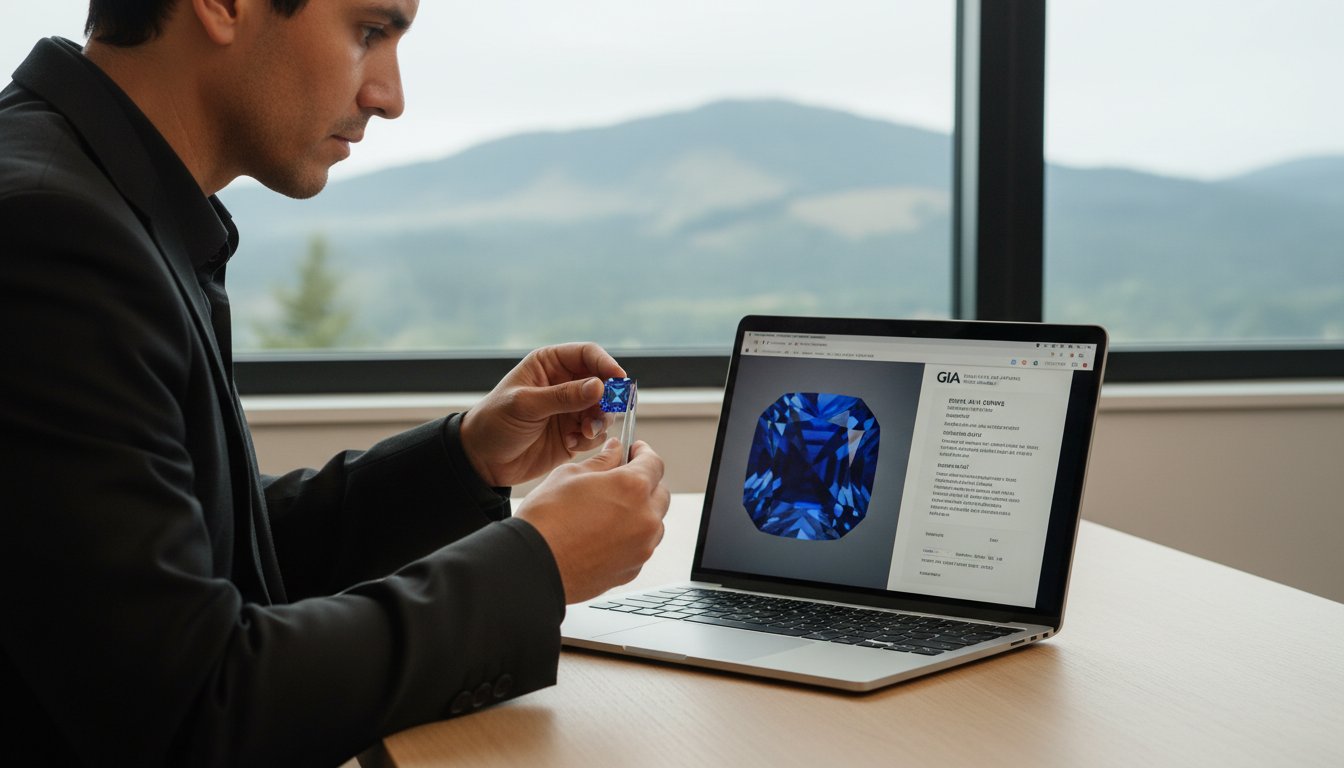
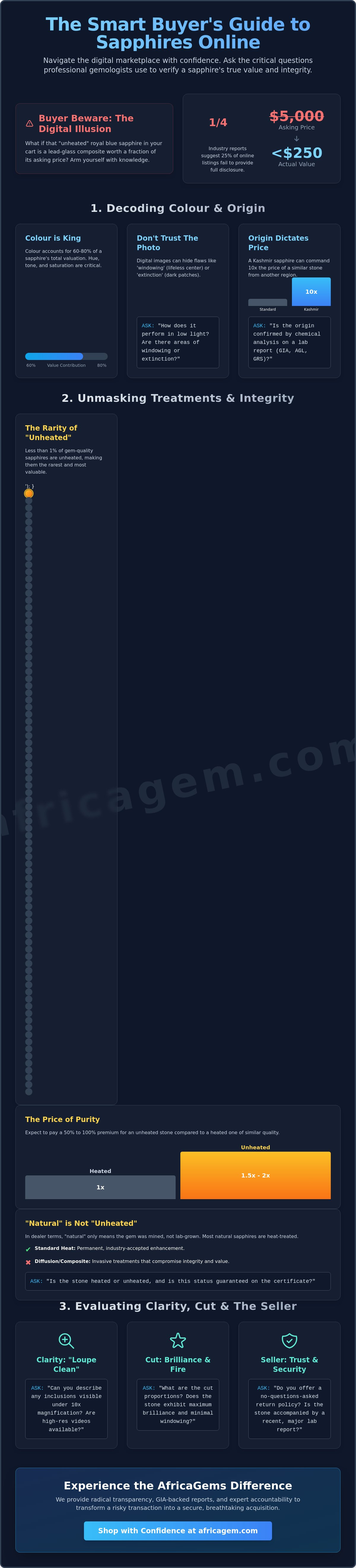
What if the "unheated" royal blue sapphire in your digital cart is actually a lead-glass composite worth less than 5% of its $5,000 asking price? In 2026, industry reports suggest that nearly 25% of online gemstone listings fail to provide full disclosure regarding clarity enhancements. It's natural to feel a knot of anxiety about return shipping or the authenticity of a "loupe-clean" claim. You deserve the confidence of an insider, ensuring your capital secures a genuine piece of Earth's history. By mastering the specific questions to ask when buying a sapphire online, you can look past the glossy photos and verify the technical integrity of any stone.
This guide provides the exact framework professional gemologists use to interview dealers and validate ethical sourcing. We'll show you how to demand transparency on pleochroism, heat treatments, and origin reports from reputable labs like the GIA or AGL. You'll learn how to identify the AfricaGems Difference through 10 essential inquiries that transform a risky transaction into a secure investment. From understanding the nuances of beryllium diffusion to confirming secure transit protocols, we're handing you the keys to a transparent and breathtaking acquisition.
Key Takeaways
- Learn how to navigate the nuances of digital photography by asking precise questions about hue, tone, and saturation to reveal a sapphire's true color identity.
- Understand the significant value gap between standard heat-treated stones and rare, unheated specimens to ensure you are paying for true gemstone integrity.
- Identify the specific questions to ask when buying a sapphire online regarding "loupe clean" clarity and cut proportions to guarantee maximum brilliance and fire.
- Master the art of vetting online dealers by looking for radical transparency, expert accountability, and the security of the AfricaGems Difference.
- Evaluate a loose sapphire’s durability and shape to ensure your selected gemstone is perfectly suited for the structural demands of a custom engagement ring.
Decoding Colour and Origin: Questions to Reveal a Sapphire’s True Identity
Color defines a sapphire's worth more than any other factor. In the 2026 market, professional collectors recognize that color accounts for roughly 60% to 80% of a gem's total valuation. When you Learn about sapphire, it becomes clear that trace elements like iron and titanium determine these vivid blues. Digital photography can be deceptive, often enhancing saturation or hiding internal shadows. One of the most critical questions to ask when buying a sapphire online involves the accuracy of the digital rendering compared to the physical stone in your hand.
To better understand how these visual elements impact your purchase, watch this helpful video:
Identifying Hue, Tone, and Saturation via Digital Descriptions
Digital images often saturate colors or mask "extinction," which are dark, lifeless areas where light doesn't reflect. You should ask: "Is the primary hue modified by secondary colours like green or purple?" A pure blue commands a higher premium than one with even a 10% greenish tint. Request a description of "windowing," where the center of the stone looks transparent and lacks color because of a shallow cut. Always ask how the stone performs in low-light environments. A sapphire that looks "velvety" in sunlight might turn "inky" or black under evening indoor lighting, a detail that static photos rarely capture.
The Origin Debate: Verifying Geographic Provenance
Geographic origin drastically shifts price points. A Kashmir sapphire can cost 10 times more than a similar stone from another region. Madagascar now provides nearly 50% of the world's high-end blue sapphires, often rivaling the classic beauty of Ceylon (Sri Lanka) gems. These are the specific questions to ask when buying a sapphire online regarding its source: "Is the origin stated on the lab report based on chemical analysis or opinion?" Reliable labs like GRS or GIA use trace element data to confirm provenance.
For a deeper look at how location impacts your investment, consult our Blue Sapphires Ultimate Guide. Finally, inquire about "color-shifting" properties. Some sapphires change from blue to violet under different light sources. This isn't a flaw; it's a rare phenomenon that requires specific disclosure. If a stone shifts color, it should be clearly identified on its certificate to ensure you aren't paying a premium for a standard blue stone when you've found a rare collector's piece.
Unmasking Treatments: Critical Questions About Gemstone Integrity
In the quest for the perfect gem, understanding what happened to the stone after it left the mine is paramount. An unheated sapphire is a specimen that has undergone no thermal enhancement since it was pulled from the earth. These stones are the rarest of the rare. Because they represent less than 1% of the gem-quality sapphires found globally, they command a massive price premium. You can expect to pay 50% to 100% more for an unheated stone compared to a heated one of equal visual quality. This scarcity makes the specific questions to ask when buying a sapphire online vital for protecting your investment.
Don't let the word "natural" mislead you. In professional dealer terminology, a natural sapphire simply means it wasn't grown in a laboratory. It doesn't guarantee the stone is untreated. Most "natural" sapphires on the market have been heated to improve their color and clarity. While standard heating is common, other invasive treatments can compromise the stone's value and integrity. You need to know exactly where your stone sits on the treatment spectrum before you commit to a purchase.
Heat Treatment vs. Diffusion: Understanding the Spectrum
Standard heat treatment is a permanent, industry-accepted enhancement that mimics the earth's natural volcanic processes. However, you must distinguish this from lattice diffusion or beryllium treatment. These processes, which became prevalent in the early 2000s, introduce foreign elements into the crystal structure to artificially change the color. You should always ask: "Can you guarantee this stone is not lattice diffused or beryllium treated?" Full disclosure is the hallmark of an ethical dealer. For investment-grade stones, such treatments can slash the resale value by as much as 80%.
Spotting Non-Permanent Enhancements
Some treatments are deceptive because they aren't permanent. Fracture filling with lead glass or heavy oiling can make a heavily included stone look "eye-clean" to the naked eye. These substances can leak, dry out, or discolor over time, leaving you with a dull and damaged gem. You should directly ask: "Has this stone been fracture-filled or oiled to improve clarity?" For serious collectors, these temporary fixes are absolute deal-breakers. Understanding the rarity in untreated stones helps you appreciate why a truly clean, unheated sapphire is such a breathtaking find.
Transparency is the foundation of every high-value transaction we facilitate. If you want to ensure you're getting a stone with its integrity fully intact, you can browse our collection of ethically sourced sapphires to experience the AfricaGems Difference. We prioritize education and full disclosure so you can feel like an informed insider rather than a casual observer.
Evaluating Clarity and Cut Through a Digital Lens
Clarity in a sapphire isn't just about the absence of spots; it's about the stone’s soul. When you're vetting a high-end gem, "Loupe Clean" remains the gold standard. This means that under 10x magnification, no inclusions are visible to the trained eye. While many sapphires contain "silk" or tiny rutile needles that can actually soften the color, a truly loupe-clean specimen represents the top 1% of global production. You're looking for transparency that allows light to travel unimpeded, creating that breathtaking glow collectors crave.
The cut of a sapphire dictates its brilliance, or what experts call "life." Unlike diamonds, sapphires don't have a single "ideal" cut, but proportions are critical. If a stone's cut is too shallow, it creates a "window," a dead spot in the center where you can see right through the gem. Conversely, many dealers use "Deep Cuts" to hide excess weight in the pavilion. This practice inflates the carat weight and the price without adding any visual beauty. A sapphire with a deep belly might weigh 3 carats but only have the face-up dimensions of a 2-carat stone. This is one of the most vital questions to ask when buying a sapphire online because you want to pay for visible beauty, not hidden mass.
The "Comments" section of a GIA or AGL report is where the real story lives. This area discloses treatments like heat, beryllium diffusion, or lead-glass filling. A stone with "no indications of heating" can command a price premium of 50% to 100% over a heated counterpart of the same size. Always read the fine print to ensure the stone's value aligns with its physical reality.
Requesting Real-World Visual Assets
Digital renders and studio photos can be deceptive. Always ask: "Can you provide a video of the stone in natural, indirect sunlight?" Direct sunlight often overwhelms the stone with "fire," masking its true body color. A video taken near a window on a bright day is much more honest. Request a "hand shot" as well. Seeing the gem against a human hand helps your brain calibrate the color against a known reference. A 360-degree video is also non-negotiable to ensure there aren't hidden inclusions near the girdle that could lead to chipping during setting.
Interpreting Gemological Lab Reports
A report is your primary safeguard against synthetic or heavily treated stones. Ensure the report comes from a top-tier laboratory like the Gemological Institute of America (GIA), American Gemological Laboratories (AGL), or SSEF. These institutions have the advanced spectroscopy required to detect modern treatments. Always verify the report number on the lab’s official portal to ensure the data matches the stone. Be sure to distinguish between a simple "Identification Report" and a "Full Grading Report." A full report often includes an origin opinion and a detailed analysis of any enhancements. When considering questions to ask when buying a sapphire online, verifying the "Comments" section for mentions of "diffusion" or "glass filling" is mandatory, as these treatments drastically reduce a stone's long-term worth.
Vetting the Online Seller: Questions to Ensure Transaction Security
Buying a high-value gemstone requires more than just a keen eye for color; it demands a partner you can trust. The AfricaGems Difference is rooted in over 40 years of professional accountability. Since 1984, Marc Sarosi has personally stood behind every sale, ensuring that the digital experience matches the integrity of a private consultation. This level of expertise is vital when determining the right questions to ask when buying a sapphire online, as it moves the focus from a simple transaction to a secure, informed investment.
Security starts before the stone even leaves the vault. Every sapphire must be shipped via specialized, fully insured couriers. You should confirm that the dealer uses 100% insured transit, typically through providers like Parcel Pro or specialized FedEx programs. If a seller cannot explain their insurance protocols or shipping logistics with absolute clarity, they aren't equipped to handle rare minerals. Professional dealers track every shipment with signature-required delivery to ensure the stone reaches your hands safely.
Understanding Return Policies for Loose Gemstones
A "No Questions Asked" return policy is the hallmark of a confident dealer. You must ask: "What is the specific timeframe for a full refund, and who pays for insured return shipping?" A 30-day inspection period is the industry gold standard for 2026. Never buy from a dealer who charges restocking fees. These fees often hide subpar quality or discourage careful inspection. For more security protocols, see our Expert Guide to Buying Gemstones Online.
Ethical Sourcing and Radical Transparency
Ask: "Do you have a direct relationship with the mine or cutter for this stone?" Marc Sarosi’s commitment to ethical trading ensures every stone is conflict-free and fair-trade. Radical transparency means full disclosure on treatments and origins. By using the right questions to ask when buying a sapphire online, you support sustainable mining and fair labor practices. We invite you to explore our collection of ethically sourced sapphires to see this commitment in action.
The integrity of your purchase depends on the integrity of the seller. By prioritizing transparency and logistics, you transform an online purchase into a lasting legacy. Always look for a dealer who treats your investment with the same respect they have for the gems themselves.
From Selection to Setting: Questions for Custom Jewellery Integration
Selecting a loose gemstone is only the first chapter of your journey. Transforming that raw beauty into a wearable heirloom requires technical foresight and a keen eye for structural integrity. One of the most vital questions to ask when buying a sapphire online involves how the stone's physical dimensions will interact with a metal mounting. While sapphires boast a 9 on the Mohs scale, making them exceptionally durable for daily wear in engagement rings, their longevity often depends on the specific cut and girdle thickness. A stone with an asymmetrical pavilion or an off-center culet can pose significant challenges for a bench jeweler, potentially leading to a finished piece that looks unbalanced.
Before you finalize your purchase, consider how the stone's shape dictates the design. A deep-cut oval might require a high-profile basket setting, while a shallow emerald cut could be perfectly suited for a sleek, low-profile bezel. Choosing a dealer who offers integrated custom design services simplifies this transition, ensuring the person selling the stone understands exactly how it will be secured. Finalizing the transaction should feel just as secure as the setting itself. Always verify that the dealer uses encrypted payment gateways or secure escrow services to protect your investment during the transit of high-value goods.
Beyond the technical aspects of the gemstone setting, consider the physical preparation required for your new jewelry. If you are commissioning custom earrings, utilizing a professional ear piercing service kuala lumpur ensures a safe and hygienic experience, allowing you to wear and enjoy your sapphire investment with confidence.
Assessing Suitability for Specific Setting Styles
When you find a stone that captures your heart, you must pivot to technical inquiries. You should ask: "Is this stone’s girdle thick enough to be safely set in a tension or prong setting?" A girdle that is too thin, often described as a "knife-edge," is prone to chipping under the mechanical pressure of setting tools. Beyond durability, consider the optical properties of the stone. Pleochroism, the phenomenon where a sapphire shows different colors from different angles, affects how the setter must orient the stone. A master setter will align the "face-up" color to hide less desirable secondary tints.
- Platinum and White Gold: These metals enhance the crisp, cool tones of "Cornflower" or "Royal Blue" sapphires.
- Yellow Gold: This metal adds a rich warmth that beautifully complements teal, green, or "Padparadscha" stones.
- Rose Gold: An excellent choice for intensifying the pink and violet undertones in bi-color or purple sapphires.
The AfricaGems Advantage: Professional Consultation
At AfricaGems, we don't just sell stones; we curate legacies. You can leverage our custom design services to bridge the gap between a loose gem and a finished masterpiece. Every stone in our inventory undergoes a rigorous evaluation, and our clients benefit from a personal sign-off from a master gemologist. This ensures that the questions to ask when buying a sapphire online are answered with radical transparency before you even have to ask them. We prioritize the AfricaGems Difference by providing high-definition videos and comprehensive GIA grading reports, ensuring your vision is realized with absolute precision.
Ready to find a gemstone that meets the highest standards of beauty and structural integrity? Browse our collection of GIA-certified loose sapphires today and experience the security of expert guidance.
Master the Art of Secure Sapphire Acquisition
Navigating the digital marketplace for rare corundum requires a sophisticated blend of gemological knowledge and rigorous vetting. You now possess the framework to distinguish between a standard commercial stone and a truly investment-grade treasure. By focusing on the nuances of pleochroism, origin reports, and the integrity of a seller's reputation, you're prepared to make an informed choice. Remember that the specific questions to ask when buying a sapphire online serve as your primary defense against undisclosed treatments and synthetic imitations.
Since Marc Sarosi founded AfricaGems in 1984, our mission has centered on providing the sophisticated collector with absolute certainty. We maintain an A+ Rating with the Better Business Bureau and uphold a policy of full disclosure on all gemstone treatments. This commitment ensures that every loupe-clean or unheated sapphire you view meets the highest standards of the trade. You don't have to navigate the complexities of the gemstone world alone when you have a mentor dedicated to ethical sourcing and technical excellence. Your search for a breathtaking, conflict-free sapphire is an exciting path toward owning a piece of geological history.
Discover the AfricaGems Difference: Shop Certified Loose Sapphires
Frequently Asked Questions
What is the most important question to ask when buying a sapphire online?
The most critical inquiry is whether the gemstone has undergone any treatment beyond standard heat. This is one of the primary questions to ask when buying a sapphire online to ensure you're getting a natural stone. According to GIA research, over 95 percent of sapphires in the market are heat treated. You must confirm if a stone is "Unheated" or "Heated" to understand its true rarity and market value.
How can I tell if a sapphire photo has been digitally enhanced?
Look for oversaturated skin tones in fingers or unnaturally vibrant backgrounds in the product photography. If the sapphire appears to glow with a neon intensity that defies physics, the seller likely boosted the saturation levels. High quality dealers provide 4K videos under 5500K daylight balanced lighting. This ensures the pleochroism and true hue of the gemstone are visible without digital manipulation.
Is an "Unheated" sapphire always better than a "Heated" one?
An unheated sapphire isn't always visually superior, but it's significantly rarer and holds higher investment value. Only about 5 percent of gem quality sapphires possess natural color and clarity that don't require thermal enhancement. While a heated stone can offer breathtaking "cornflower" blue at a lower price point, the unheated stone remains the choice for collectors who prioritize the raw, untouched beauty of nature.
Should I only buy sapphires that have a GIA report?
You should seek reports from any major, independent gemological laboratory, not just the GIA. While the GIA is a gold standard, labs like GRS (GemResearch Swisslab) or SSEF are often preferred for colored stones due to their detailed origin opinions. A 2023 industry survey showed that these European labs are the preferred choice for 70 percent of high end sapphire collectors globally.
What happens if the sapphire I receive looks different from the online video?
You must ensure the jeweler offers a risk free inspection period, typically lasting 10 to 30 days. If the stone's color shift doesn't match your expectations, the AfricaGems Difference guarantees a full refund. Lighting conditions vary between a studio and your home. Seeing the stone in person is the final step in the process of asking questions to ask when buying a sapphire online.
How do I know if a sapphire is ethically sourced?
Verify if the dealer follows the protocols established by the Responsible Jewellery Council or provides direct sourcing details. Ethical sapphires often come from small scale mines in regions like Sri Lanka, where 1972 mining laws protect local workers and land. We prioritize stones with a documented journey from the mine to our vault. This ensures your purchase supports fair wages and environmentally conscious mining practices.
Can I request a custom video of a specific sapphire before buying?
You can and should request a custom video of the sapphire under specific lighting conditions or at 10x magnification. Professional gemologists will happily record a "hand shot" to show the stone's scale and performance in natural sunlight. This level of transparency eliminates the guesswork. It allows you to see how the light interacts with the internal facets and the stone's unique silk patterns before you commit.
Why are Kashmir sapphires more expensive than Ceylon sapphires?
Kashmir sapphires command a premium because the original mines were exhausted by 1887, making them incredibly scarce. These stones possess a unique "velvety" luster caused by microscopic inclusions that scatter light, a feature rarely seen in Ceylon stones. While Sri Lanka produces exquisite sapphires daily, a genuine Kashmir stone is a finite historical treasure. This extreme rarity drives the valuation to levels far exceeding standard blue sapphires.