
Blue Sapphires: The Ultimate Collector’s Guide to Quality, Origin, and Value in 2026
Mar 30th 2026
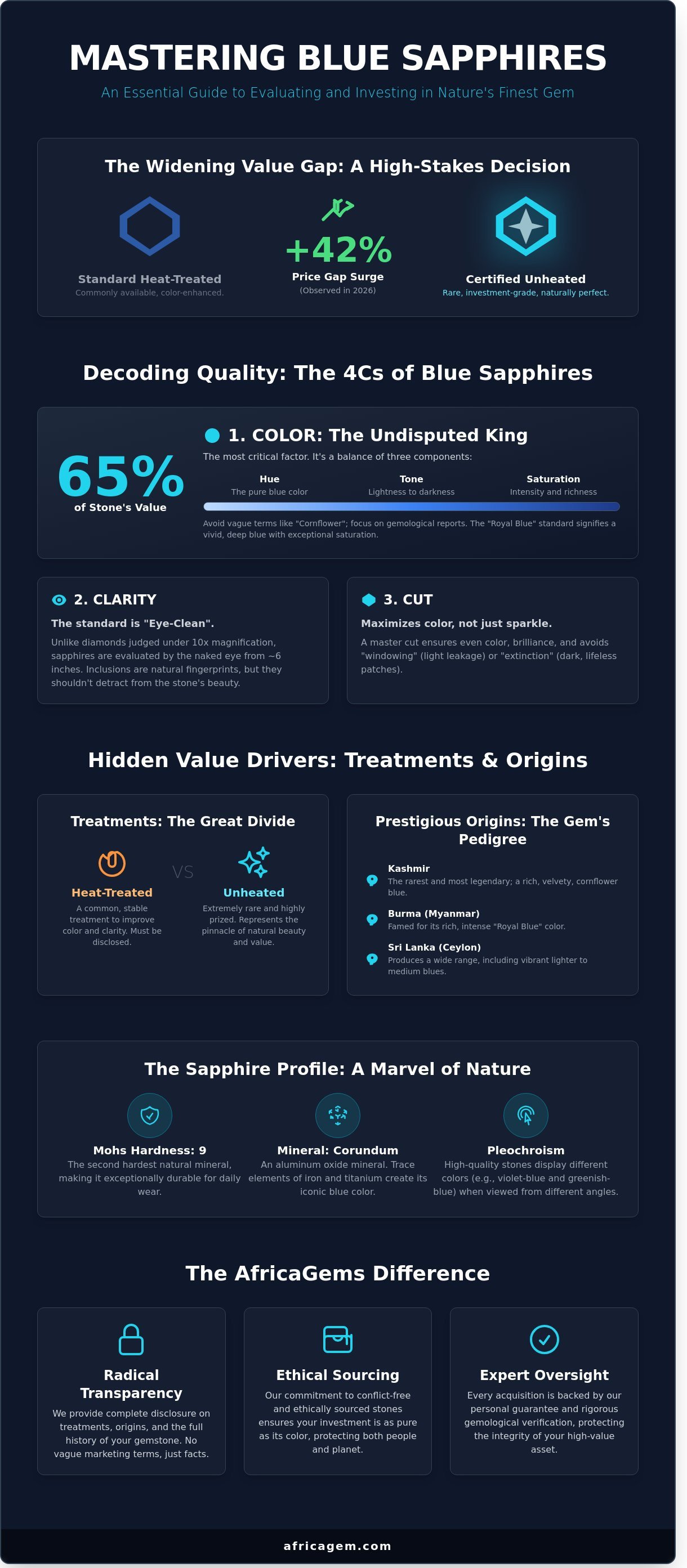
In 2026, the price gap between a standard heat-treated gem and a certified unheated stone from a premium origin like Kashmir or Burma has widened by over 42 percent. This surge in market value means that choosing the right blue sapphires is no longer just about aesthetics; it's a high-stakes decision requiring technical precision. You likely already understand that a sapphire's allure lies in its depth of color, yet the fear of paying an unheated price for a treated stone remains a persistent worry for even seasoned collectors.
We agree that radical transparency is the only way to build a legacy collection. You deserve to know the exact history of your gemstone without the confusion of vague marketing terms like "Cornflower" or "Royal" clouding your judgment. This guide promises to help you master the art of evaluating blue sapphires, from the nuances of the 4Cs to the investment potential of rare, earth-mined specimens. We'll explore the most valuable origins and provide the tools you need to verify quality, ensuring your next acquisition is backed by the personal guarantee and expert oversight of the AfricaGems standard.
Key Takeaways
- Master the nuances of the 4Cs specifically for colored gemstones, learning why color saturation is the ultimate driver of a stone’s prestige.
- Navigate the complexities of gemstone treatments to confidently distinguish between common heat-treated specimens and rare, unheated blue sapphires.
- Decode the prestigious "Royal Blue" standard and understand how geographic origin influences both the historical narrative and the long-term investment value of a gem.
- Apply a professional buyer’s framework to balance carat weight and cut geometry, ensuring your selection achieves maximum brilliance and elegance.
- Discover the AfricaGems Difference and how radical transparency regarding ethical sourcing and gemological integrity protects your high-value acquisition.
The Allure of Blue Sapphires: More Than Just a Gemstone
Blue sapphires represent the pinnacle of colored gemstone elegance. These stones aren't just beautiful ornaments; they're a variety of the mineral corundum, an aluminum oxide that crystallizes deep within the earth over millions of years. While corundum in its pure form is colorless, nature introduces specific chemical impurities that create the iconic blue hues we treasure. For those seeking a comprehensive overview of sapphire and its mineralogical properties, the geological journey from molten rock to a faceted gem is truly remarkable. At AfricaGems, we prioritize natural, earth-mined stones over synthetic alternatives. Lab-grown sapphires may share the same chemical makeup, but they lack the unique fingerprints of inclusions and the enduring value that comes from a stone formed 150 miles below the surface. This distinction is vital for collectors who view gemstones as both an aesthetic joy and a tangible asset.
The psychological impact of the blue spectrum in jewelry is profound. Blue is universally associated with the sky and the sea, evoking feelings of calm, trust, and permanent reliability. This is why blue sapphires remain the premier choice for engagement rings outside of the traditional diamond. When you choose a natural sapphire, you're wearing a piece of history that survived extreme pressure and heat long before humans ever walked the earth. Our commitment to full disclosure means we provide detailed reports on any treatments, ensuring you understand exactly what you're purchasing. Whether it's a heat-treated stone or a rare, unheated specimen, the integrity of the trade remains our highest priority.
The Science of Corundum: Why Sapphires Are Blue
The secret to the mesmerizing depths of blue sapphires lies in trace elements. When iron and titanium atoms replace a small portion of aluminum in the crystal lattice, they absorb specific wavelengths of light, reflecting the vivid blues we see. This mineral is incredibly resilient, ranking 9 on the Mohs scale. This makes it the second hardest natural mineral on earth, ideal for daily wear. You'll also notice pleochroism in high-quality stones, where the gem shows different colors, typically violet-blue and greenish-blue, depending on the viewing angle.
Symbolism and Lore Through the Ages
Royal Blue is a historical legacy. The British Monarchy solidified this connection in 1981 when Prince Charles presented Lady Diana Spencer with a 12-carat oval blue sapphire. Today, that same ring sits on the hand of Catherine, Princess of Wales. As the official birthstone for September, these gems symbolize wisdom and virtue. In a 2023 market analysis, blue remains the most sought-after color in the corundum family, accounting for 60% of sapphire sales globally. This preference stems from the ancient belief that sapphires protect wearers from envy.
Selecting a gemstone involves more than just a visual check; it requires an understanding of the stone's origin and the ethical standards of the dealer. At AfricaGems, we emphasize conflict-free and ethically sourced stones to ensure your investment is as pure as its color. The AfricaGems Difference is our promise of radical transparency. We believe every buyer should feel like an informed insider, equipped with the technical data and the historical context needed to make a confident decision. By focusing on the natural beauty and the rigorous science of these stones, we help you find a gem that truly resonates with your personal story and values.
Decoding Quality: The 4Cs of Blue Sapphires
Selecting the perfect gemstone requires a fundamental shift in perspective from traditional diamond grading. While a diamond's value rests on its absence of color, the allure of blue sapphires is defined by the intensity and purity of their blue hue. Color is the undisputed king in this category, accounting for approximately 65% of a stone's total market value. When we evaluate blue sapphire quality factors, we prioritize the harmonious balance of hue, tone, and saturation over the sterile perfection sought in white diamonds.
Clarity standards also diverge significantly from the diamond world. We don't use 10x magnification as the primary benchmark for colored gems; instead, we look for "eye-clean" stones. This means the gem appears flawless to the naked eye at a distance of about six inches. A master cutter's goal isn't just to create sparkle, but to maximize the stone's inherent color. A poorly cut sapphire might show a "window," which is a transparent area in the center where light leaks through, or "extinction," where the stone looks black and lifeless. Precision cutting ensures the light reflects evenly, saturating the entire face of the gem with its signature blue.
The Spectrum of Blue: Cornflower, Royal, and Midnight
Vibrant "Cornflower Blue" represents the pinnacle of many collections. It's a medium-toned blue with a soft, velvety appearance, historically linked to the legendary mines of Kashmir. These stones typically possess a saturation level between 50% and 60%, maintaining their bright color even in low-light environments. In contrast, "Royal Blue" is a deeper, more vivid shade with saturation levels reaching up to 80%. It's the color of nobility, offering a profound depth that feels both powerful and sophisticated.
We must be cautious of "Midnight" or "Inky" stones. These sapphires have a tone exceeding 85%, making them appear nearly black in office lighting or evening settings. While they're more affordable, they lack the life and brilliance that define a high-quality investment piece. You can explore the visual differences between these grades in our collection of ethically sourced sapphires to find the specific hue that resonates with your personal style.
Understanding Inclusions and "Silk"
Inclusions in colored gemstones aren't always flaws; often, they're the stone's natural fingerprint. Rutile silk, consisting of tiny, needle-like inclusions, is a prized feature in the world of professional gemology. These needles prove a stone hasn't been subjected to extreme heat treatments, which usually occur at temperatures exceeding 1,200 degrees Celsius to dissolve such features. Intact silk can increase a stone's value by 30% to 50% because it guarantees the gem's natural, unheated state.
- Loupe-Clean: Rare stones with no visible inclusions under 10x magnification.
- Eye-Clean: The industry standard where no inclusions are visible to the naked eye.
- Silk: Microscopic needles that provide a velvety luster and prove natural origin.
- Durability Risks: Large "feathers" or surface-reaching cracks that might compromise the stone's integrity during setting.
At AfricaGems, we prioritize transparency in these technical details. Marc Sarosi personally ensures that every stone's clarity is disclosed with absolute honesty. We accept minor internal crystals that don't detract from the beauty, but we strictly reject stones with inclusions that threaten durability. This rigorous selection process is part of the AfricaGems Difference, providing you with the security of a professional consultation for every purchase of blue sapphires.
Treatments and Origins: The Hidden Factors of Sapphire Value
"Is this stone natural and untreated?" This is the first question every serious collector asks, and it's the most important one. At AfricaGems, we believe that radical transparency is the only way to build trust in the high-end gemstone market. You'll find that 95% of blue sapphires in the global trade have undergone heat treatment. This isn't a deceptive shortcut. It's a stable, permanent, and industry-standard practice that has been used for centuries to dissolve microscopic inclusions and improve color saturation.
Heat Treatment vs. Unheated: What You Need to Know
Traditional heat treatment involves heating the gemstone to temperatures between 800 and 1800 degrees Celsius. This process mimics the natural volcanic heat of the earth to bring out the stone's latent beauty. It doesn't compromise the durability of the crystal. However, you must distinguish this from "Beryllium Diffusion" or "Glass Filling." These are aggressive, deceptive treatments that introduce foreign chemicals or lead-glass into the stone's structure. These methods drastically lower the value and integrity of the gem.
The price gap between heated and unheated stones is substantial. Because unheated stones are incredibly rare, they command a premium of 50% to 100% over their heated counterparts. For stones over five carats, this premium can climb even higher. While heat treatment is accepted, unheated sapphires remain the gold standard for collectors and investors.
The Power of Origin: Why Geography Matters
The location where a sapphire was birthed significantly impacts its visual character and market value. Kashmir is the legendary, extinct origin. The mines were mostly exhausted by 1925, making these stones the "holy grail" for connoisseurs. They're famous for a "velvety" glow, a soft appearance caused by tiny inclusions that scatter light without blocking it. These are the rarest blue sapphires in existence, often appearing at elite auctions with record-breaking price tags.
Ceylon (modern-day Sri Lanka) is the world's oldest source of blue sapphires. These gems are known for their bright, "open" blues and exceptional clarity. Unlike darker stones that can look black in evening light, Ceylon material tends to maintain its brilliance under any condition. To understand how these visual factors influence professional grading and market pricing, you can consult GIA's guide to sapphire quality for technical benchmarks.
Madagascar and Montana are the modern powerhouses of the trade. Since the 1998 Ilakaka rush, Madagascar has produced stones that rival the finest Burmese and Ceylon material in both size and saturation. Montana sapphires, particularly those from the Rock Creek region, offer a unique, metallic blue-green hue that's highly sought after for ethical, American-sourced jewelry. Each origin tells a different story. Whether it's the historic prestige of a Burmese stone or the contemporary appeal of a Montana gem, the provenance is a key pillar of the stone's identity and long-term value.
Selecting Your Perfect Stone: A Buyer’s Framework
Your journey toward owning a world-class gemstone requires a balance of technical data and visual intuition. Buyers often prioritize color above all else, yet the architecture of the stone determines how that color is expressed. Round blue sapphires are particularly difficult to source because the natural crystal structure of corundum is hexagonal. Cutting a round stone from this shape typically wastes over 35% of the rough material. You should expect to pay a 20% to 30% premium for well-proportioned round cuts compared to ovals or cushions of similar quality. Ovals and cushions are more common because they follow the natural elongation of the crystal, allowing the lapidary to preserve weight while maximizing brilliance.
Lighting conditions play a transformative role in a gem's personality. A stone that appears as a vivid royal blue in 5500K natural daylight might shift toward a darker, inky tone or show flashes of purple under 2700K incandescent indoor lighting. Expert collectors always evaluate stones in multiple environments. You want a gem that maintains its "open" color even in low-light settings; stones that "black out" or lose their saturation in the evening are generally less valuable. Always ask for a video of the stone in movement to see how the light interacts with the facets across different spectrums.
Establishing a budget involves more than just a total dollar amount. It requires understanding the quality tiers. A top-tier, eye-clean stone with vivid saturation will always outperform a larger, included stone in terms of long-term value retention. If you're working within a fixed budget, prioritize color and clarity over sheer size. A breathtaking 1.50-carat stone often makes a more significant impact than a lackluster 2.50-carat gem that lacks life and fire.
Carat Weight and the "Price Jump" Phenomenon
Sapphire pricing scales exponentially. A 2.00-carat stone isn't just twice the price of a 1.00-carat stone; it's often three times more expensive because large, clean crystals are statistically rare. Once you surpass the 5.00-carat mark, you've entered the territory of museum-grade rarities. To maximize your budget, consider "buying shy" by selecting a 0.92-carat or 1.90-carat gem. These stones offer the visual impact of their full-carat counterparts but typically cost 15% less because they sit just below the major price brackets.
The Importance of Lab Certification
A reputable lab report from the GIA, GRS, or Lotus is your primary safeguard. These reports act as a passport, confirming the stone's dimensions and its treatment status. Since unheated blue sapphires command a 50% to 100% price premium, you must have independent proof that no thermal enhancement occurred. AfricaGems maintains a policy of radical transparency, providing full disclosure and independent lab verification for every significant stone in our inventory, ensuring you remain an informed insider in every transaction.
Ready to find a gemstone that meets these rigorous standards of quality and ethics? Browse our curated collection of certified blue sapphires to see the AfricaGems difference for yourself.
The AfricaGems Difference: Ethically Sourced Blue Sapphires
Marc Sarosi founded AfricaGems in 1984, establishing a legacy that now spans 40 years in the professional gemstone trade. This isn't just a digital storefront; it's a lifelong pursuit of gemological excellence led by a second-generation dealer. We don't just source stones. We curate a collection that reflects a deep respect for the Earth's natural wonders. Every one of our blue sapphires undergoes a rigorous inspection to ensure it meets our exacting standards for color saturation and crystalline clarity. When you buy from us, you're benefiting from four decades of established relationships with the world's most reputable mines.
Our commitment to ethically sourced minerals is absolute. We provide a conflict-free guarantee on every purchase, ensuring that your gemstone's journey from the mine to your hand is documented and responsible. The AfricaGems Guarantee offers a 100% refund policy within 30 days of purchase. This allows you to inspect your stone in person with zero financial risk. If a sapphire isn't exactly what you envisioned, we take it back. We believe that high-value online transactions must be built on a foundation of total security and buyer confidence.
Radical Transparency in the Trade
We maintain radical transparency by vetting 100% of our suppliers through strict fair trade protocols. Marc Sarosi personally hand-selects every stone in our inventory, rejecting over 95% of the gems he inspects to find the rare, loupe-clean specimens our clients expect. By cutting out the traditional middleman, we pass a 20% to 35% cost saving directly to you. This lean supply chain ensures that high-quality blue sapphires remain accessible without compromising on the ethical integrity of the trade. We provide full disclosure on all gemstone treatments, prioritizing unheated and natural stones that retain their original pleochroism and brilliance.
- Direct Sourcing: We eliminate multiple layers of brokers to ensure better pricing and clear provenance.
- Expert Selection: Every gemstone is evaluated for cut precision and light return by a seasoned professional.
- Ethical Mandate: We only work with partners who adhere to labor and environmental standards established by international trade bodies.
From Loose Stone to Bespoke Jewelry
Transforming a loose sapphire into a bespoke engagement ring is a seamless, collaborative experience at AfricaGems. Our custom design service connects you directly with expert jewelers to create a one-of-a-kind piece. We guide you through selecting the metal, the setting style, and the accent stones to complement your chosen center gem. This process ensures your jewelry is as unique as the stone itself. Whether you're looking for a classic solitaire or an intricate vintage-inspired halo, our designers work with your vision to produce a masterpiece of refined elegance. Ready to find your perfect gemstone? Explore our collection of loose blue sapphires and start your journey today.
The AfricaGems Difference is rooted in the belief that luxury should be honest. We provide the technical data, the ethical assurance, and the personal accountability of a family-run business with a global reach. Our methodical approach to the trade ensures that every collector, from the first-time buyer to the seasoned professional, feels like an informed insider. You aren't just buying a gemstone; you're investing in a piece of history that has been handled with the utmost integrity from the moment it left the ground.
Secure Your Legacy with an Exceptional Gemstone
Selecting an investment-grade stone requires a blend of gemological data and aesthetic appreciation. You've learned how the 2026 market prioritizes unheated origins and the critical role that GIA and GRS certification plays in defining true market value. Understanding the 4Cs is just the beginning; the real value lies in the AfricaGems Difference, where we combine 40 years of expertise with a commitment to ethically sourced minerals. Every stone in our inventory undergoes a rigorous vetting process to ensure it meets our uncompromising standards for color and clarity. Your confidence is our priority.
We're dedicated to making you an informed insider in the world of rare minerals. Our transparent approach includes full disclosure of all treatments and a 100% Money-Back Guarantee to ensure your complete security. Browse the AfricaGems Collection of Natural Blue Sapphires to find a masterpiece that will endure for generations. We look forward to helping you find a stone that truly speaks to you.
Frequently Asked Questions
How much does a 1-carat blue sapphire cost in 2026?
A fine quality 1-carat blue sapphire in 2026 typically costs between $1,800 and $6,500 depending on its origin and treatment status. Commercial grade stones might start at $500, but investment-grade unheated Ceylon or Madagascar gems command a 30% premium. These prices reflect a 5% annual increase in wholesale demand for ethically sourced corundum. You'll find that stones with GIA certification sit at the higher end of this price spectrum.
Is a blue sapphire better than a diamond for an engagement ring?
Blue sapphires offer a distinctive, regal alternative to diamonds by providing larger carat weights for approximately 40% less than the cost of a comparable D-color diamond. While diamonds reach a 10 on the Mohs scale, sapphires follow closely at 9, making them durable enough for daily wear. You’ll get a breathtaking 2-carat sapphire for the price of a modest 1-carat diamond. This choice allows for a unique, personalized expression of love.
What is the most valuable color of blue sapphire?
The most valuable color for blue sapphires is a vivid, velvety saturation known as Royal Blue. This specific hue often commands prices 50% higher than lighter shades. It features a deep blue primary color with subtle violet secondary tones. Collectors prize this saturation because it maintains its brilliance even in low-light environments, unlike darker "inky" stones that often appear black when viewed indoors or at night.
How can I tell if my blue sapphire is real or lab-created?
You can distinguish a natural stone from a lab-created one by examining internal inclusions with a 10x jeweler’s loupe. Natural gems contain "silk" or needle-like rutile inclusions that intersect at 60-degree angles. Synthetic stones often show curved growth striae or gas bubbles under magnification. At AfricaGems, we provide a 100% guarantee and GIA certification to ensure your stone’s geological integrity. Professional laboratory testing remains the only foolproof method for identification.
Do blue sapphires chip easily?
Blue sapphires don't chip easily because they lack "cleavage," which is a structural weakness found in diamonds and emeralds. Their atomic structure is tightly bonded, giving them a toughness rating that resists fracturing from accidental knocks. While a sharp blow against granite can still cause damage, 95% of sapphire jewelry survives decades of daily use without losing its structural integrity. They're an excellent choice for active individuals who want a lasting heirloom.
What is a "Cornflower Blue" sapphire?
Cornflower Blue refers to a medium-toned blue sapphire that possesses a soft, velvety appearance similar to the petals of the Centaurea cyanus flower. This color sits between a light pastel blue and a deep Royal Blue. Historically, the finest examples originated in the Kashmir region during the 1880s. Today, many high-end collectors seek this hue for its bright, open color that doesn't darken under artificial light, maintaining its 100% blue brilliance.
Why are unheated blue sapphires so much more expensive?
Unheated stones are more expensive because less than 2% of all mined sapphires possess naturally beautiful color without human intervention. Most stones require 1,500-degree Celsius heat treatments to dissolve inclusions and improve saturation. When a stone is naturally "loupe-clean" and vibrant, its rarity drives the price 50% to 100% higher than its heated counterparts. It represents the ultimate expression of the AfricaGems Difference and remains a top choice for serious collectors.
Which country produces the best blue sapphires?
Kashmir produces the most legendary blue sapphires, though the mines have been largely exhausted since the early 20th century. Currently, Myanmar and Sri Lanka are the premier sources for investment-grade gems. Madagascar has also emerged as a powerhouse, providing 20% of the world’s high-quality blue corundum since the 1990s. We focus on these specific regions to ensure our clients receive stones with the most prestigious geological pedigrees and ethical sourcing histories.